
Understanding Chemical Bonded Nonwoven Interlining Fabric: A Comprehensive Guide
Release time:
2025-05-07
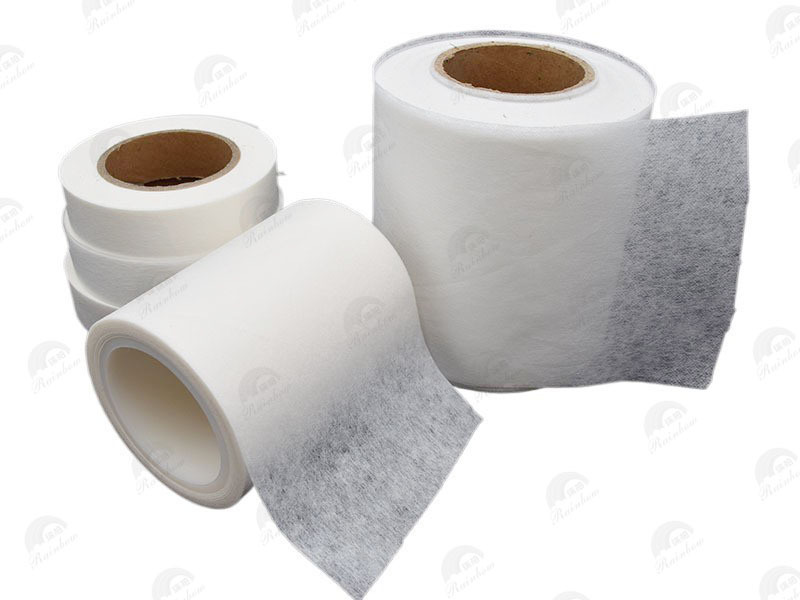
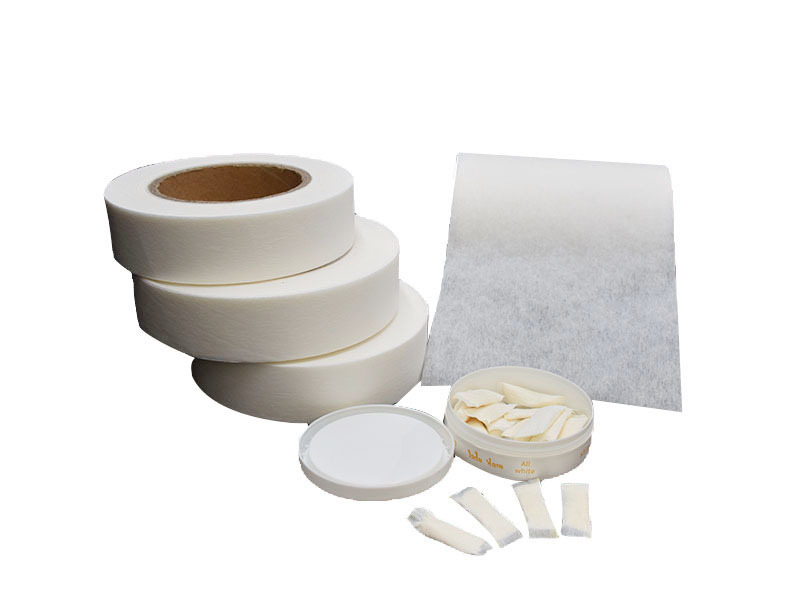
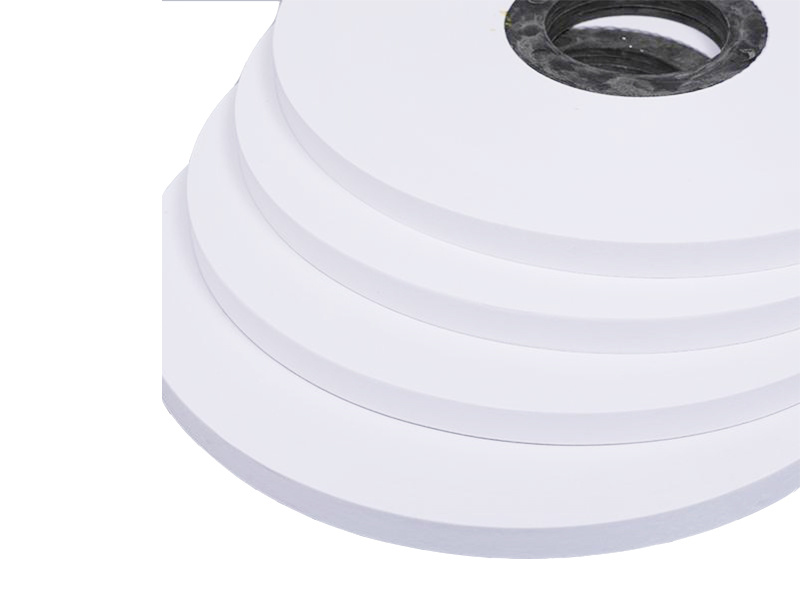
Chemical bonded nonwoven interlining fabric is a specialized textile product widely used in the garment industry to provide structure and support to various types of clothing. Understanding its composition and benefits can help manufacturers and fashion designers make informed choices when selecting materials for their projects.
At its core, chemical bonded nonwoven interlining fabric is created through the fusion of fibers using adhesives or bonding agents. This method distinguishes it from traditional woven fabrics, as it does not rely on interlacing threads for its strength and stability. Instead, the fibers are organized in a web-like structure, which is then bonded through a chemical process, resulting in a durable and lightweight material.
One of the significant advantages of chemical bonded nonwoven interlining is its versatility. It can be made from various fiber types, including polyester and nylon, allowing it to cater to different applications and garment requirements. Depending on the desired characteristics, manufacturers can adjust the weight and thickness of the fabric, making it suitable for both lightweight and heavier garments.
Additionally, chemical bonded nonwoven interlining fabrics offer excellent stability and support. They help maintain the shape of garments, preventing sagging or distortion, particularly in areas like collars, cuffs, and waistbands. This stability is crucial for achieving a polished and professional look in finished clothing items.
Moreover, this type of interlining is known for its ease of application. Unlike some traditional interlinings that require complicated sewing techniques, chemical bonded varieties can be easily fused to the outer fabric using heat and pressure. This not only speeds up the production process but also ensures a seamless finish, as the interlining becomes an integral part of the garment rather than a separate layer.
In terms of care and maintenance, chemical bonded nonwoven interlining fabrics are generally more resistant to wrinkling and shrinkage compared to their woven counterparts. This quality can enhance the longevity of garments, making them more appealing to consumers who prioritize durability in their clothing choices.
Lastly, the environmental impact of chemical bonded nonwoven interlining should be considered. Many manufacturers are now focusing on sustainable practices, developing interlining fabrics made from recycled materials or implementing eco-friendly bonding agents. This shift not only meets the growing demand for sustainable fashion but also reduces the overall ecological footprint of the textile industry.
In conclusion, chemical bonded nonwoven interlining fabric is an essential component in modern garment production, offering numerous benefits, including stability, ease of application, and durability. By understanding its properties and applications, industry professionals can make better material choices, ultimately enhancing the quality of their products and meeting consumer expectations.
At its core, chemical bonded nonwoven interlining fabric is created through the fusion of fibers using adhesives or bonding agents. This method distinguishes it from traditional woven fabrics, as it does not rely on interlacing threads for its strength and stability. Instead, the fibers are organized in a web-like structure, which is then bonded through a chemical process, resulting in a durable and lightweight material.
One of the significant advantages of chemical bonded nonwoven interlining is its versatility. It can be made from various fiber types, including polyester and nylon, allowing it to cater to different applications and garment requirements. Depending on the desired characteristics, manufacturers can adjust the weight and thickness of the fabric, making it suitable for both lightweight and heavier garments.
Additionally, chemical bonded nonwoven interlining fabrics offer excellent stability and support. They help maintain the shape of garments, preventing sagging or distortion, particularly in areas like collars, cuffs, and waistbands. This stability is crucial for achieving a polished and professional look in finished clothing items.
Moreover, this type of interlining is known for its ease of application. Unlike some traditional interlinings that require complicated sewing techniques, chemical bonded varieties can be easily fused to the outer fabric using heat and pressure. This not only speeds up the production process but also ensures a seamless finish, as the interlining becomes an integral part of the garment rather than a separate layer.
In terms of care and maintenance, chemical bonded nonwoven interlining fabrics are generally more resistant to wrinkling and shrinkage compared to their woven counterparts. This quality can enhance the longevity of garments, making them more appealing to consumers who prioritize durability in their clothing choices.
Lastly, the environmental impact of chemical bonded nonwoven interlining should be considered. Many manufacturers are now focusing on sustainable practices, developing interlining fabrics made from recycled materials or implementing eco-friendly bonding agents. This shift not only meets the growing demand for sustainable fashion but also reduces the overall ecological footprint of the textile industry.
In conclusion, chemical bonded nonwoven interlining fabric is an essential component in modern garment production, offering numerous benefits, including stability, ease of application, and durability. By understanding its properties and applications, industry professionals can make better material choices, ultimately enhancing the quality of their products and meeting consumer expectations.
chemical bonded nonwoven interlining fabric
Latest News


Nantong Rainbow Nonwoven Tech Co.,Ltd.
Telephone:+86-13587673537 +86-15851257231
E-mail:chrislc717@163.com christy@ntrainbow.com
sales1@ntrainbow.com
Address: (No. 88, Sanzong South Road) Group 42, Xichansi Village, Xiting Town, Tongzhou District, Nantong City, Jiangsu Province

Copyright©2024 Nantong Rainbow Technology Co., Ltd. | Powered by www.300.cn
Copyright©2024 Nantong Rainbow Technology Co., Ltd.
Powered by www.300.cn