
Revolutionizing Apparel: The Role of Chemical Bonded Nonwoven Interlining Fabric
Release time:
2025-05-06
Revolutionizing Apparel: The Role of Chemical Bonded Nonwoven Interlining Fabric
Table of Contents
- Introduction to Chemical Bonded Nonwoven Interlining
- What is Chemical Bonded Nonwoven Interlining Fabric?
- Advantages of Chemical Bonded Nonwoven Interlining Fabric
- Applications in the Apparel Industry
- Sustainability and Environmental Impact
- The Future of Chemical Bonded Nonwoven Interlining
- Choosing the Right Nonwoven Interlining for Your Garments
- Frequently Asked Questions (FAQs)
- Conclusion
Introduction to Chemical Bonded Nonwoven Interlining
The textile industry is constantly evolving, driven by innovation and the demand for high-quality materials. Among the latest advancements is **chemical bonded nonwoven interlining fabric**, a game-changing product that has redefined how we approach garment construction. This article explores the fundamental aspects of this fabric, its benefits, applications, sustainability factors, and its crucial role in modern apparel design.
What is Chemical Bonded Nonwoven Interlining Fabric?
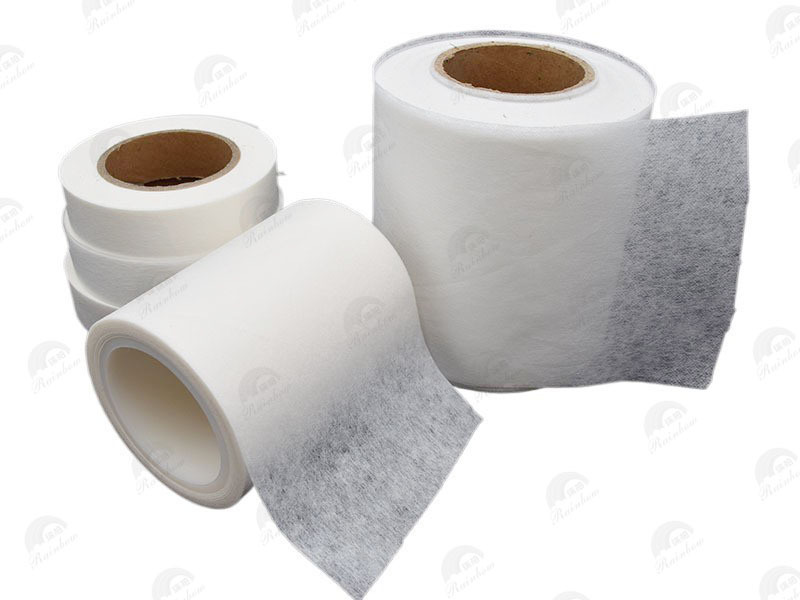
Chemical bonded nonwoven interlining is a type of fabric created from synthetic fibers that are bonded together using chemical adhesives. Unlike traditional woven or knitted fabrics, nonwoven fabrics do not require the alignment of threads, allowing for a more versatile and efficient manufacturing process. This unique fabric offers a **smooth surface**, excellent drape, and optimal support for garments, making it ideal for various applications in the fashion industry.
Characteristics of Chemical Bonded Nonwoven Interlining
Chemical bonded nonwoven interlining exhibits several characteristics that set it apart from conventional interlinings:
- Lightweight and Flexible: The fabric is lightweight, allowing for ease of handling and enhanced comfort in garments.
- Strong Bonding: The chemical bonding technique ensures a robust bond between fibers, resulting in high durability and resistance to wear and tear.
- Breathability: Nonwoven interlining allows air and moisture to circulate, enhancing the wearer’s comfort.
- Variety of Textures: This fabric can be produced in various textures and finishes, catering to different garment requirements.
Advantages of Chemical Bonded Nonwoven Interlining Fabric
The incorporation of chemical bonded nonwoven interlining fabric in apparel design comes with numerous advantages that contribute to enhanced garment quality and performance.
Improved Garment Structure and Stability
One of the primary benefits of using nonwoven interlining is the improved structure it provides to garments. It helps maintain the shape of collars, cuffs, and other features, ensuring that they remain crisp and well-defined. This stability is crucial for garments that require a polished appearance, such as blazers and dress shirts.
Cost-Effectiveness
Chemical bonded nonwoven interlining is often more cost-effective than traditional interlining materials. The efficient manufacturing process and reduced waste contribute to lower production costs. Additionally, the durability of nonwoven fabrics means that garments can withstand wear over time, resulting in better value for consumers.
Enhanced Performance and Functionality
This type of interlining enhances the overall performance of garments by offering benefits such as:
- Moisture Management: The breathable properties of nonwoven interlining help wick moisture away from the body, keeping the wearer dry and comfortable.
- Temperature Regulation: Nonwoven fabrics can provide insulation without added bulk, making them suitable for various weather conditions.
- Ease of Care: Garments made with chemical bonded nonwoven interlining are often easier to care for, as the fabric resists wrinkling and shrinking.
Applications in the Apparel Industry
Chemical bonded nonwoven interlining fabric finds a wide array of applications across the apparel industry, enhancing both functionality and aesthetics in clothing design.
Formal Wear
In formal wear, such as suits and dresses, nonwoven interlining is used to provide structure without sacrificing comfort. It ensures that lapels, backs, and other tailored sections maintain their shape while allowing for movement.
Sportswear and Activewear
The sportswear segment benefits from the moisture-wicking properties of nonwoven interlining, making it ideal for activewear that demands flexibility and breathability. This fabric enhances performance by keeping athletes dry during intense workouts.
Casual Clothing
In casual wear, nonwoven interlining is utilized in items like shirts and jackets to add a touch of structure. It allows for a polished look while maintaining the relaxed feel that consumers seek in everyday clothing.
Specialized Applications
Beyond standard clothing applications, chemical bonded nonwoven interlining is also used in specialized garments such as uniforms, protective clothing, and even costumes, where durability and structured support are essential.
Sustainability and Environmental Impact
As the textile industry shifts towards sustainable practices, chemical bonded nonwoven interlining fabric offers several eco-friendly benefits. Many manufacturers produce these fabrics using recycled materials, reducing environmental impact.
Biodegradable Options
Innovations in materials science have led to the development of biodegradable nonwoven interlining fabrics. These options break down naturally over time, minimizing landfill waste and contributing to a circular economy.
Reduction of Resource Use
The production of nonwoven interlining often requires fewer resources than traditional fabrics. The manufacturing process typically consumes less water and energy, making it a more sustainable choice for environmentally-conscious brands.
The Future of Chemical Bonded Nonwoven Interlining
The future of chemical bonded nonwoven interlining looks promising, with ongoing research and development aimed at enhancing its properties and applications. Innovations in nanotechnology, for example, may lead to fabrics with even greater durability and functionality.
Integration with Smart Textiles
As the demand for smart textiles grows, we can expect to see chemical bonded nonwoven interlining integrated with advanced technologies. This could include fabrics that change color based on temperature or moisture levels, providing additional benefits to the wearer.
Expansion into New Markets
The versatility of nonwoven interlining fabrics means they could expand into new markets, including home textiles, automotive upholstery, and medical textiles, further revolutionizing the textile industry.
Choosing the Right Nonwoven Interlining for Your Garments
Selecting the appropriate chemical bonded nonwoven interlining fabric is crucial for achieving the desired results in garment design. Consider the following factors:
Fabric Weight and Thickness
Different garment types require different fabric weights. Lightweight interlining is suitable for casual wear, while heavier weights are ideal for structured garments.
Adhesive Types
The choice of adhesive can affect the fabric's durability and performance. Heat-activated adhesives are a popular option, providing strong bonding while allowing for flexibility.
Texture and Finish
The texture and finish of the nonwoven interlining can influence the garment's overall appearance. Consider whether a smooth or textured finish aligns better with the intended design.
Frequently Asked Questions (FAQs)
1. What is chemical bonded nonwoven interlining fabric used for?
Chemical bonded nonwoven interlining is used to provide structure and support to garments, enhancing their shape while offering comfort and breathability.
2. Is nonwoven interlining sustainable?
Yes, many chemical bonded nonwoven interlining fabrics are produced using recycled materials and can be biodegradable, making them a more sustainable option.
3. How do I choose the right nonwoven interlining for my project?
Consider factors such as fabric weight, adhesive types, and texture. The choice will depend on the specific requirements of the garment you are designing.
4. Can nonwoven interlining be used in sportswear?
Absolutely! Nonwoven interlining is ideal for sportswear due to its moisture-wicking properties and flexibility, enhancing performance during physical activities.
5. What are the benefits of using nonwoven interlining over traditional interlining?
Nonwoven interlining offers several advantages, including lower weight, improved durability, moisture management, and cost-effectiveness, making it a superior choice for many applications.
Conclusion
Chemical bonded nonwoven interlining fabric is undeniably revolutionizing the apparel industry. Its unique properties, cost-effectiveness, and sustainability make it a quintessential material in modern garment construction. As we continue to explore the potential of this innovative fabric, its role in enhancing garment quality and performance will only grow, solidifying its place as a staple in the future of fashion. Embracing this technology allows designers and manufacturers to create garments that not only meet consumer demands but also support sustainable practices within the textile industry.
chemical bonded nonwoven interlining fabric
Latest News


Nantong Rainbow Nonwoven Tech Co.,Ltd.
Telephone:+86-13587673537 +86-15851257231
E-mail:chrislc717@163.com christy@ntrainbow.com
sales1@ntrainbow.com
Address: (No. 88, Sanzong South Road) Group 42, Xichansi Village, Xiting Town, Tongzhou District, Nantong City, Jiangsu Province

Copyright©2024 Nantong Rainbow Technology Co., Ltd. | Powered by www.300.cn
Copyright©2024 Nantong Rainbow Technology Co., Ltd.
Powered by www.300.cn