
Understanding Soft Handfeel Fusible Interlining: A Key Component in Textile Finishing
Release time:
2025-04-21
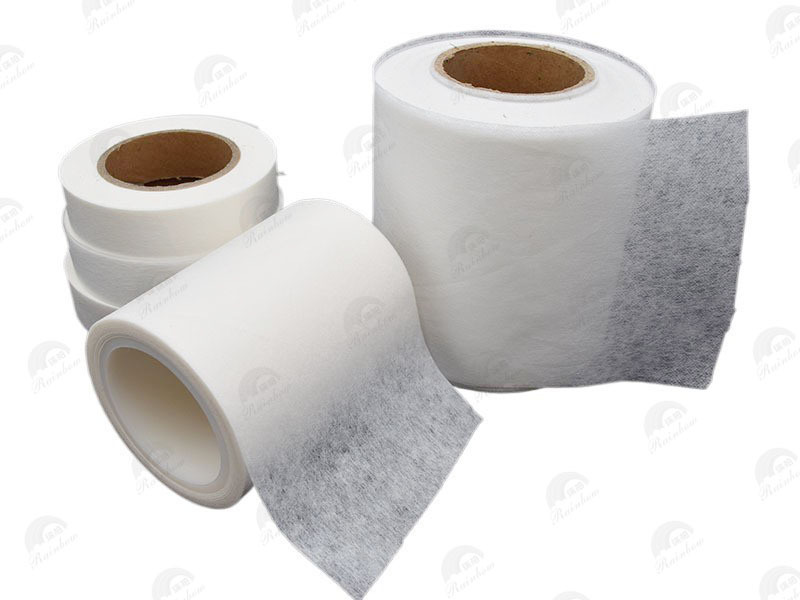
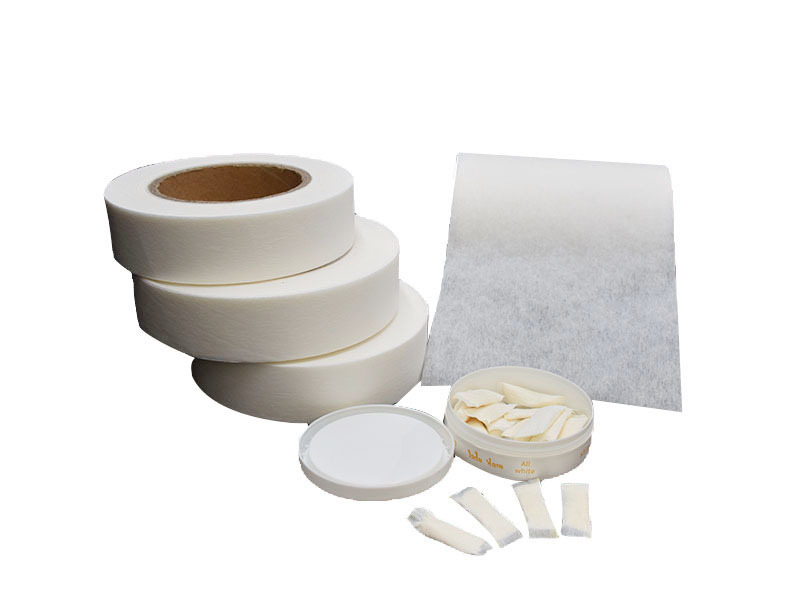
Soft handfeel fusible interlining is an essential material in the realm of textiles, particularly within the domain of garment construction. This specialized interlining is designed to enhance the quality and feel of fabrics, providing a soft touch without compromising the garment's structural integrity. It serves as a hidden layer that can significantly influence the overall performance of a finished product.
One of the key attributes of soft handfeel fusible interlining is its ability to maintain the natural drape and texture of the outer fabric. This is especially important in high-end apparel, where the tactile experience is paramount for consumer satisfaction. The fusible aspect allows it to bond seamlessly to the outer fabric, providing stability and support while remaining lightweight and flexible. This characteristic is crucial in applications like collars, cuffs, and lapels, where a crisp yet inviting feel is desired.
In terms of composition, soft handfeel fusible interlining is typically made from a combination of polyester or cotton fibers, which contribute to its softness and durability. The adhesive used in its production is carefully formulated to ensure that it can withstand multiple washes without losing its efficacy or causing any damage to the fabric. This durability makes it a preferred choice for garments that require frequent laundering, such as uniforms and everyday wear.
Moreover, this type of interlining offers versatility in its applications. It can be used in various types of garments, from casual wear to formal attire, and is equally suitable for both men’s and women’s fashion. Designers appreciate the ability to choose from a range of weights and finishes, allowing them to achieve the desired aesthetic and tactile qualities in their creations.
Soft handfeel fusible interlining not only enhances the feel of fabrics but also contributes to the garment's longevity. By providing additional structure, it helps prevent stretching and sagging over time, ensuring that the clothing retains its shape and appearance. This aspect is particularly valuable in competitive markets where quality and durability are critical factors in consumer purchasing decisions.
In conclusion, soft handfeel fusible interlining is a pivotal element in modern textile production, offering a blend of softness and structural support that is essential for high-quality garments. For professionals in the textile industry, understanding its properties and applications can lead to improved product offerings and enhanced customer satisfaction. As the demand for high-quality textiles continues to rise, incorporating soft handfeel fusible interlining into garment construction can set a brand apart in a saturated marketplace.
One of the key attributes of soft handfeel fusible interlining is its ability to maintain the natural drape and texture of the outer fabric. This is especially important in high-end apparel, where the tactile experience is paramount for consumer satisfaction. The fusible aspect allows it to bond seamlessly to the outer fabric, providing stability and support while remaining lightweight and flexible. This characteristic is crucial in applications like collars, cuffs, and lapels, where a crisp yet inviting feel is desired.
In terms of composition, soft handfeel fusible interlining is typically made from a combination of polyester or cotton fibers, which contribute to its softness and durability. The adhesive used in its production is carefully formulated to ensure that it can withstand multiple washes without losing its efficacy or causing any damage to the fabric. This durability makes it a preferred choice for garments that require frequent laundering, such as uniforms and everyday wear.
Moreover, this type of interlining offers versatility in its applications. It can be used in various types of garments, from casual wear to formal attire, and is equally suitable for both men’s and women’s fashion. Designers appreciate the ability to choose from a range of weights and finishes, allowing them to achieve the desired aesthetic and tactile qualities in their creations.
Soft handfeel fusible interlining not only enhances the feel of fabrics but also contributes to the garment's longevity. By providing additional structure, it helps prevent stretching and sagging over time, ensuring that the clothing retains its shape and appearance. This aspect is particularly valuable in competitive markets where quality and durability are critical factors in consumer purchasing decisions.
In conclusion, soft handfeel fusible interlining is a pivotal element in modern textile production, offering a blend of softness and structural support that is essential for high-quality garments. For professionals in the textile industry, understanding its properties and applications can lead to improved product offerings and enhanced customer satisfaction. As the demand for high-quality textiles continues to rise, incorporating soft handfeel fusible interlining into garment construction can set a brand apart in a saturated marketplace.
Soft Handfeel Fusible Interlining
Latest News


Nantong Rainbow Nonwoven Tech Co.,Ltd.
Telephone:+86-13587673537 +86-15851257231
E-mail:chrislc717@163.com christy@ntrainbow.com
sales1@ntrainbow.com
Address: (No. 88, Sanzong South Road) Group 42, Xichansi Village, Xiting Town, Tongzhou District, Nantong City, Jiangsu Province

Copyright©2024 Nantong Rainbow Technology Co., Ltd. | Powered by www.300.cn
Copyright©2024 Nantong Rainbow Technology Co., Ltd.
Powered by www.300.cn