
Ensuring Quality in Embroidery with Reliable Heat Seal Nonwoven Backing
Release time:
2025-04-22
Ensuring Quality in Embroidery with Reliable Heat Seal Nonwoven Backing
Table of Contents
- 1. Introduction to Heat Seal Nonwoven Backing
- 2. Importance of Quality Backing in Embroidery
- 3. Types of Nonwoven Backings
- 4. Benefits of Using Heat Seal Nonwoven Backing
- 5. How to Apply Heat Seal Nonwoven Backing
- 6. Troubleshooting Common Issues in Embroidery
- 7. Best Practices for Choosing the Right Backing
- 8. Conclusion
- 9. Frequently Asked Questions
1. Introduction to Heat Seal Nonwoven Backing
In the realm of embroidery, the **quality of backing material** is paramount. Among various backing options, **heat seal nonwoven backing** stands out for its reliability and versatility. This innovative fabric offers a strong foundation for intricate designs, ensuring that your embroidery projects not only look great but also withstand the test of time.
Embroidery involves stitching patterns onto fabric, which can be heavily influenced by the type of backing used. **Heat seal nonwoven backing** is a synthetic material made from entangled fibers, providing a consistent and smooth surface for embroidery. By understanding its benefits and applications, we can leverage this crucial component to enhance the quality and durability of our embroidery work.
2. Importance of Quality Backing in Embroidery
Quality backing materials are essential in embroidery for several reasons:
Durability and Stability
Using the right backing provides the necessary support to the fabric, preventing distortion and ensuring that the embroidery retains its shape over time. This is particularly important for items that undergo frequent washing or wear.
Enhanced Stitch Definition
A reliable backing allows for clearer stitch definition, which is vital for intricate designs. Nonwoven backings offer a smooth, even surface that helps stitches sit uniformly, resulting in a professional finish.
Prevention of Fabric Stretching
Without proper backing, fabrics may stretch or warp during the embroidery process. Heat seal nonwoven backing provides stability, allowing the fabric to maintain its integrity even under tension.
Improved Adhesion
Heat seal nonwoven backings can bond directly to the fabric, enhancing adhesion and reducing the risk of lifting or fraying. This ensures that the embroidery remains intact throughout its lifecycle.
3. Types of Nonwoven Backings
Understanding the different types of nonwoven backings is crucial for selecting the right one for your embroidery project. Here, we explore three primary types:
3.1 Heat Seal Backing
Heat seal backing is a nonwoven fabric that bonds to the embroidery fabric when heat is applied. This type of backing is ideal for lightweight fabrics that require a strong, permanent bond. It is particularly useful for delicate materials that cannot withstand traditional adhesive methods.
3.2 Fusible Nonwoven Backing
Fusible nonwoven backing features a heat-activated adhesive on one side. This allows it to fuse directly to the fabric, providing excellent support and stability. It is commonly used for apparel and home textiles, offering a clean finish with no visible backing.
3.3 Adhesive Nonwoven Backing
Adhesive nonwoven backing is coated with a pressure-sensitive adhesive that allows for easy application to various fabrics. This type of backing is perfect for temporary applications or when frequent repositioning is required.
4. Benefits of Using Heat Seal Nonwoven Backing
The use of heat seal nonwoven backing comes with numerous advantages:
1. Strong Adhesion
The heat activation process creates a robust bond between the backing and fabric, ensuring the embroidery remains secure even in high-stress areas.
2. Versatility
Heat seal nonwoven backing can be used across a variety of fabrics, making it a versatile choice for different projects, from sportswear to home décor.
3. Easy Application
Applying heat seal backing is straightforward. It requires minimal equipment, typically just a heat press or an iron, making it accessible for both beginners and experienced embroiderers.
4. Reduced Fraying
The backing minimizes fraying and unraveling of fabric edges, contributing to a cleaner finish for your embroidery projects.
5. Cost-Effective
Heat seal nonwoven backings are often more affordable than other types of backing, providing an economical solution without sacrificing quality.
5. How to Apply Heat Seal Nonwoven Backing
Applying heat seal nonwoven backing effectively requires attention to detail and the right technique. Follow these steps to ensure a successful application:
Step 1: Preparing the Fabric
Before applying the backing, ensure the fabric is clean and free of wrinkles. Iron out any creases to provide a smooth surface for embroidery.
Step 2: Cutting the Backing
Cut the heat seal nonwoven backing to the desired size, ensuring it is slightly larger than the embroidery design to provide adequate coverage.
Step 3: Positioning the Backing
Place the backing on the wrong side of the fabric, aligning it carefully. Make sure it covers the entire area where the embroidery will be applied.
Step 4: Applying Heat
Using a heat press or iron, apply heat to the backing according to the manufacturer’s instructions. Ensure the temperature and duration are appropriate to achieve a strong bond without damaging the fabric.
Step 5: Allowing to Cool
Once the heat application is complete, allow the fabric to cool before proceeding with the embroidery. This cooling period helps solidify the bond between the backing and fabric.
6. Troubleshooting Common Issues in Embroidery
While utilizing heat seal nonwoven backing can enhance your embroidery projects, issues may still arise. Here are common problems and solutions:
Problem 1: Lifting Edges
If the edges of your embroidery are lifting, ensure that you have applied sufficient heat and pressure during the bonding process. Consider increasing the duration of heat application.
Problem 2: Uneven Stitches
Uneven stitches may indicate that the backing is not providing enough support. Ensure you are using the appropriate type of backing for your fabric and design.
Problem 3: Fabric Distortion
Distortion can occur if the backing is not adequately secured. Double-check that the backing is firmly bonded to the fabric before starting the embroidery process.
Problem 4: Backing Showing Through
In some cases, the backing may become visible through the fabric. If this occurs, consider using a lighter-weight backing or adjusting your fabric choice.
7. Best Practices for Choosing the Right Backing
Choosing the right heat seal nonwoven backing is crucial for successful embroidery. Here are some best practices to consider:
1. Match Backing to Fabric Type
Always select a backing that complements the fabric you are using. For lightweight fabrics, opt for a lighter-weight backing, while heavier fabrics may require a sturdier option.
2. Consider the Design Complexity
Intricate designs may benefit from a more robust backing to maintain stitch definition, while simpler designs can work well with lighter options.
3. Perform Test Runs
Before commencing a large project, conduct test runs on scrap fabric to ensure compatibility between the backing and your design.
4. Keep Backing Thickness in Mind
The thickness of the backing can affect the overall look of the finished product. Choose a thickness that provides adequate support without compromising the fabric's drape.
8. Conclusion
In the world of embroidery, choosing the right materials is crucial for achieving high-quality, durable results. **Heat seal nonwoven backing** plays an indispensable role in ensuring that your embroidery projects not only look professional but also stand the test of time. By understanding the types of backings available, their benefits, and application techniques, you can elevate your embroidery game and create stunning, long-lasting pieces.
As you embark on your embroidery journey, remember to consider the specific needs of your fabric and design. With the right heat seal nonwoven backing, your embroidery will shine with clarity and resilience, making every project a success.
9. Frequently Asked Questions
1. What is heat seal nonwoven backing?
Heat seal nonwoven backing is a synthetic material that adheres to fabric when heat is applied, providing stability and support during the embroidery process.
2. Can I use heat seal backing on all types of fabric?
While heat seal backing is versatile, it is essential to match the backing type to the fabric. Lightweight fabrics may require lighter backings, while sturdier fabrics can handle thicker options.
3. How do I know if my backing is applied correctly?
A correctly applied backing will feel firmly attached to the fabric, with no lifting edges or bubbles. Test the adhesion by gently pulling at the edges.
4. Is heat seal backing washable?
Yes, heat seal backing is designed to withstand washing. However, following care instructions related to both the fabric and backing is essential to maintain quality.
5. Can I remove heat seal backing after embroidery?
Heat seal backing is not designed to be removed easily. However, if you need to, you may carefully cut away excess backing, but this can affect the durability of your embroidery.
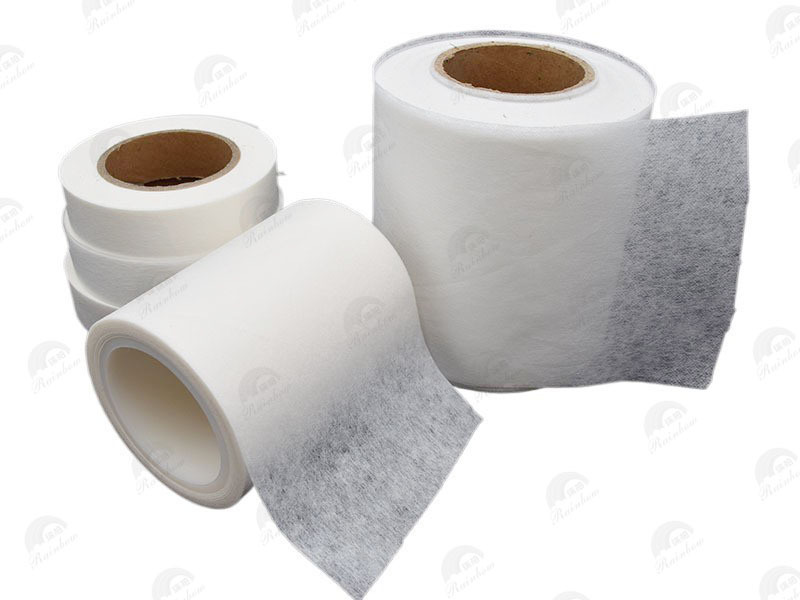
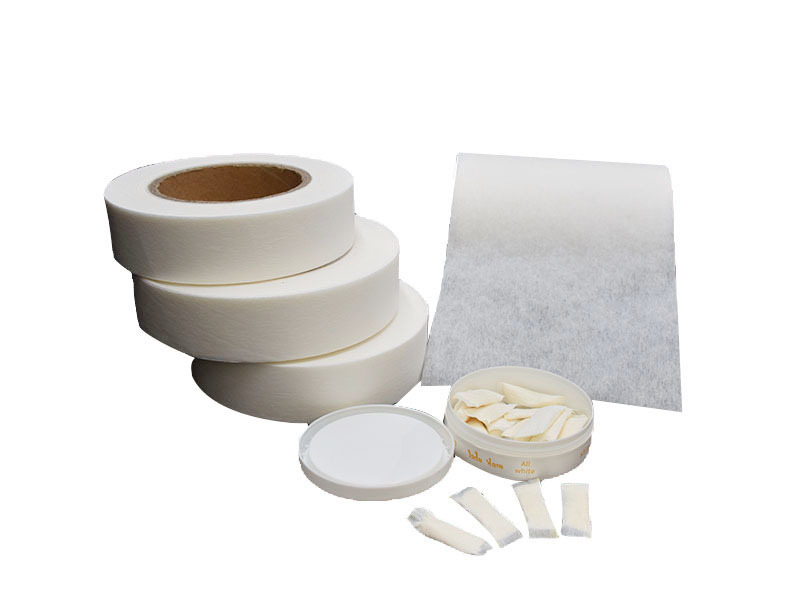
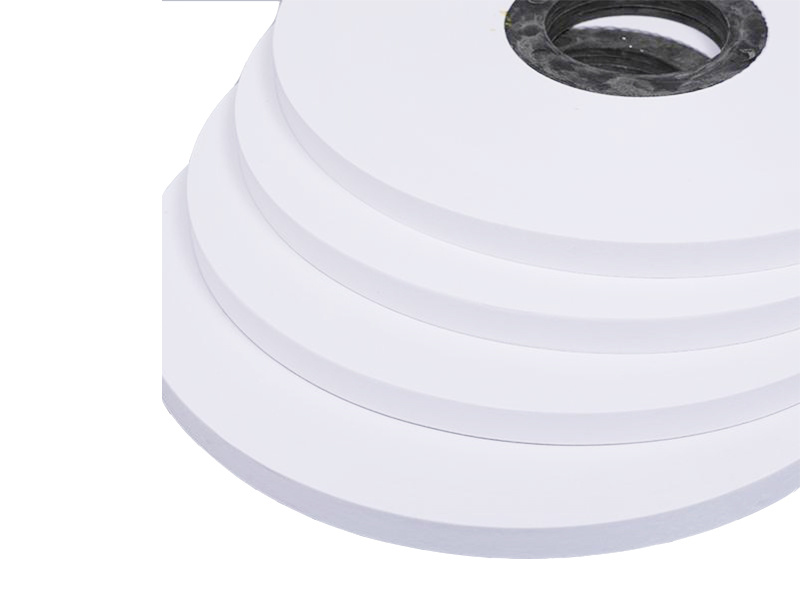
Heat Seal Nonwoven Backing for Embroidery
Latest News


Nantong Rainbow Nonwoven Tech Co.,Ltd.
Telephone:+86-13587673537 +86-15851257231
E-mail:chrislc717@163.com christy@ntrainbow.com
sales1@ntrainbow.com
Address: (No. 88, Sanzong South Road) Group 42, Xichansi Village, Xiting Town, Tongzhou District, Nantong City, Jiangsu Province

Copyright©2024 Nantong Rainbow Technology Co., Ltd. | Powered by www.300.cn
Copyright©2024 Nantong Rainbow Technology Co., Ltd.
Powered by www.300.cn