
Transform Your Fabrics: The Magic of Soft Handfeel Fusible Interlining
Release time:
2025-04-20
Transform Your Fabrics: The Magic of Soft Handfeel Fusible Interlining
In the world of textiles, the quest for the perfect fabric is both an art and a science. Among the myriad of materials available, *soft handfeel fusible interlining* stands out as a game changer. This innovative product not only enhances the fabric's texture but also adds structural integrity. Whether you are a seasoned designer or a DIY enthusiast, understanding the magic of this versatile interlining can elevate your sewing projects to new heights.
Table of Contents
- What is Soft Handfeel Fusible Interlining?
- Benefits of Using Soft Handfeel Fusible Interlining
- How to Choose the Right Fusible Interlining
- Applications of Soft Handfeel Fusible Interlining
- Step-by-Step Guide to Using Fusible Interlining
- Common Mistakes When Using Fusible Interlining
- Caring for Your Fabric with Fusible Interlining
- Future Trends in Fusible Interlining
- FAQs
What is Soft Handfeel Fusible Interlining?
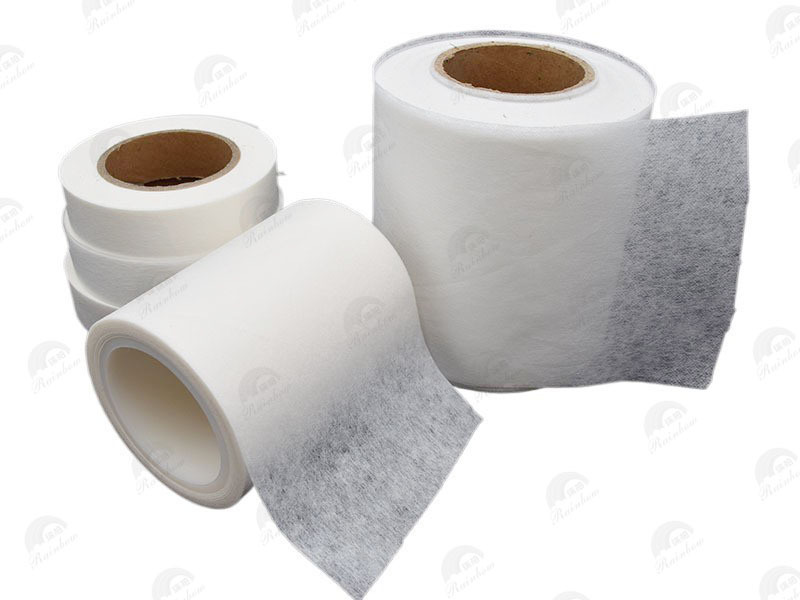
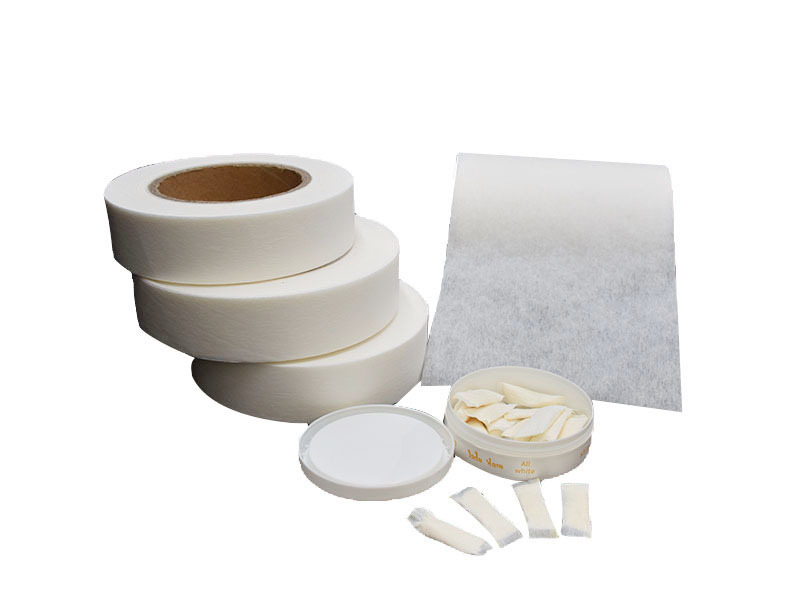
*Soft handfeel fusible interlining* is a lightweight fabric that is designed to be fused to the back of another fabric. It is typically made from a blend of cotton and polyester, providing both softness and durability. The fusible nature of this interlining means it is coated with an adhesive that activates when heat is applied, allowing it to bond seamlessly with the base fabric.
This type of interlining is particularly favored in garment construction because it enhances the overall feel and drape of the fabric. It offers a soft touch, often described as luxurious, making it ideal for high-quality garments such as shirts, dresses, and blouses.
Benefits of Using Soft Handfeel Fusible Interlining
Incorporating soft handfeel fusible interlining into your sewing projects comes with a host of benefits:
1. Enhanced Texture and Drape
The primary allure of soft handfeel fusible interlining is its ability to improve the texture and drape of fabrics. By adding this interlining, garments acquire a refined look and feel that elevates their overall quality.
2. Structural Support
While maintaining a soft hand, this interlining provides the necessary structural support, preventing sagging and enhancing the shape of the garment. This is particularly beneficial for tailored pieces that require precision in fit.
3. Improved Longevity
Using fusible interlining can significantly increase the lifespan of your fabrics. It adds a layer of protection against wear and tear, making garments more resilient to everyday use.
4. Versatility in Application
This interlining can be applied to a wide range of textiles, including lightweight and medium-weight fabrics. Its versatility allows designers and sewists to use it across various projects without compromising quality.
5. Easy Application
Fusing the interlining is a straightforward process that requires minimal tools. With just an iron, you can achieve a professional finish, making it accessible for beginners and experienced sewists alike.
How to Choose the Right Fusible Interlining
When selecting fusible interlining, several factors should be considered to ensure optimal results:
1. Fabric Weight
Choose an interlining that matches the weight of your fabric. Lightweight interlinings work best with delicate fabrics, while heavier interlinings provide support for thicker materials.
2. Fabric Composition
It’s important to consider the fiber content of both the fabric and the interlining. Cotton interlinings are an excellent match for cotton fabrics, while polyester blends may be suitable for synthetic materials.
3. Adhesive Quality
Look for high-quality adhesive to ensure a strong bond that withstands washing and wearing. Test a small sample to assess how well it adheres and if it can withstand heat.
4. Color and Texture
Select an interlining that will not show through the main fabric. Neutral shades and textures that mimic the main fabric's characteristics are ideal for a seamless finish.
Applications of Soft Handfeel Fusible Interlining
Soft handfeel fusible interlining finds its application in various areas, including:
1. Garment Construction
From tailored suits to casual wear, this interlining enhances the fit and feel of garments, making it a staple in clothing production.
2. Home Textiles
Soft interlining can be used in home décor items like curtains and cushions, providing structure while maintaining a cozy aesthetic.
3. Accessories
It is also used in crafting accessories such as bags, hats, and belts, offering durability and a polished appearance.
Step-by-Step Guide to Using Fusible Interlining
Follow these steps for successful application of soft handfeel fusible interlining:
1. Prepare Your Materials
Gather your fabric, fusible interlining, iron, and a pressing cloth. Ensure that all materials are clean and dry.
2. Cut the Interlining
Cut the fusible interlining slightly smaller than your fabric pieces to prevent the adhesive from seeping out during ironing.
3. Position the Interlining
Place the interlining, adhesive side down, against the back of the fabric. Align it carefully for a precise fit.
4. Apply Heat
Using a hot iron, place it over the pressing cloth and press down firmly for about 10-15 seconds, moving the iron around to evenly distribute the heat. Avoid sliding the iron to prevent shifting.
5. Allow to Cool
Let the fabric and interlining cool completely before handling. This ensures a secure bond.
Common Mistakes When Using Fusible Interlining
To achieve the best results, avoid these common pitfalls:
1. Ignoring Fabric Compatibility
Using the wrong type of interlining can lead to undesirable results. Always match the interlining to your fabric weight and type.
2. Insufficient Heat Application
Underheating can result in a weak bond. Ensure you apply sufficient heat for a lasting attachment.
3. Not Testing First
Always test a small sample of fabric and interlining before proceeding with your project. This will help avoid any surprises later.
Caring for Your Fabric with Fusible Interlining
To maintain the integrity of your fabric and interlining, follow these care tips:
1. Washing
Follow the washing instructions for the main fabric. Generally, gentle cycles and cool water are advisable to prevent damage.
2. Drying
Avoid high heat when drying, as it can weaken the adhesive. Opt for air drying when possible.
3. Ironing
Use a low to medium heat setting when ironing to avoid melting the adhesive. Always place a pressing cloth between the iron and the fabric.
Future Trends in Fusible Interlining
The textile industry is constantly evolving, and so is the world of fusible interlining. Here are some anticipated trends:
1. Sustainable Materials
With an increasing focus on sustainability, the demand for eco-friendly interlining options is on the rise. Look for interlinings made from organic cotton or recycled materials.
2. Innovative Adhesive Technology
Advancements in adhesive technology may lead to interlinings that are easier to apply and longer lasting, enhancing the user experience.
3. Customization Options
As personalization becomes more prevalent in fashion, customizable fusible interlining solutions may emerge, allowing for tailored solutions for specific designs.
FAQs
1. Can I use fusible interlining on any fabric?
While many fabrics can benefit from fusible interlining, it's essential to choose the right type that matches the weight and composition of your main fabric.
2. How do I know if my interlining is suitable for washing?
Check the manufacturer's guidelines for care instructions to ensure the interlining can withstand washing without losing its adhesive properties.
3. What is the difference between fusible and non-fusible interlining?
Fusible interlining has an adhesive backing that bonds to the fabric when heated, while non-fusible interlining requires sewing to attach it to the fabric.
4. How can I prevent the adhesive from sticking to my iron?
Using a pressing cloth between the iron and the fabric can help prevent any adhesive from transferring to your iron during the application process.
5. Is soft handfeel fusible interlining suitable for crafts?
Yes, it can be used in various craft projects, including home décor items and accessories, providing structure while maintaining a soft feel.
Conclusion
The world of textiles is rich with possibilities, and *soft handfeel fusible interlining* is a remarkable tool that can enhance both the aesthetic and functional qualities of your fabrics. By leveraging its benefits, such as improved texture, durability, and ease of use, you can transform your sewing projects into professional-grade works of art. Whether you're creating garments, home textiles, or accessories, understanding and utilizing this interlining will set your work apart. As trends evolve, staying informed about new technologies and sustainable options will further enhance your creative journey in the textile industry.
Soft Handfeel Fusible Interlining
Latest News


Nantong Rainbow Nonwoven Tech Co.,Ltd.
Telephone:+86-13587673537 +86-15851257231
E-mail:chrislc717@163.com christy@ntrainbow.com
sales1@ntrainbow.com
Address: (No. 88, Sanzong South Road) Group 42, Xichansi Village, Xiting Town, Tongzhou District, Nantong City, Jiangsu Province

Copyright©2024 Nantong Rainbow Technology Co., Ltd. | Powered by www.300.cn
Copyright©2024 Nantong Rainbow Technology Co., Ltd.
Powered by www.300.cn