
Understanding GRS Certified Nonwoven Interlining: A Sustainable Choice in Textile Accessories
Release time:
2026-04-06
When it comes to the world of textiles, sustainability is increasingly becoming a focal point of discussion, especially within the realm of textile accessories like interlining. GRS Certified Nonwoven Interlining is gaining traction as a viable option for manufacturers who prioritize environmentally friendly practices. But what exactly does GRS certification entail, and why is nonwoven interlining a significant choice in the textile industry?
The Global Recycled Standard (GRS) is a comprehensive product standard that sets criteria for third-party certification of recycled content, chain of custody, social and environmental practices, and chemical restrictions. When a product is GRS certified, it assures manufacturers and consumers that the material has undergone rigorous checks to confirm its sustainability and ethical sourcing. This is particularly crucial in the textile industry, where the demand for eco-friendly materials is on the rise.
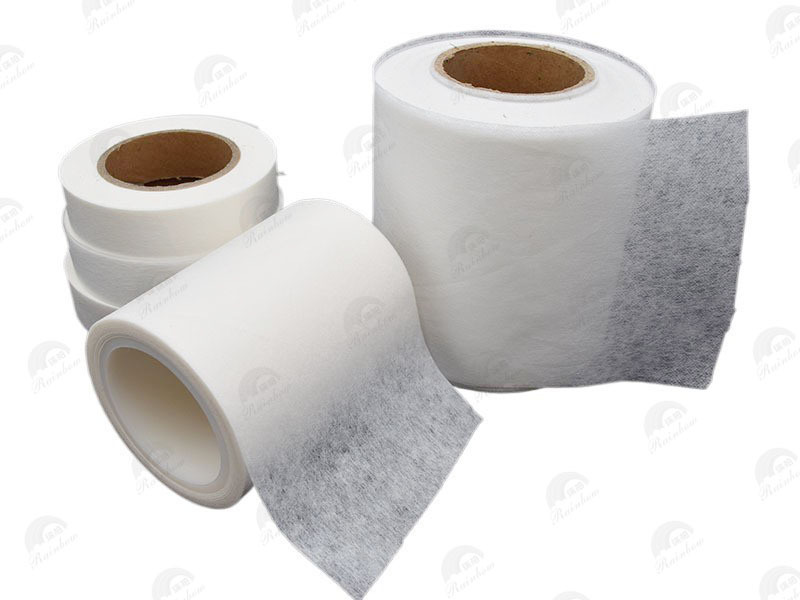
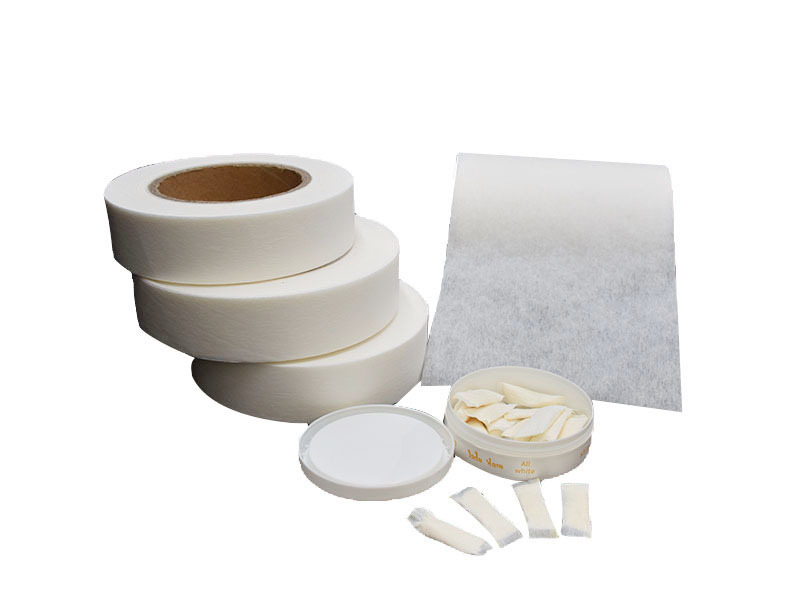
Nonwoven interlining is a type of fabric used to reinforce garments, providing structure and support to various clothing items. Unlike traditional woven fabrics, nonwoven fabrics are made by bonding fibers together, which can be achieved through various processes like thermal, chemical, or mechanical means. The nonwoven construction allows for versatility in application, making it suitable for a wide range of garments, from shirts to jackets.
What makes GRS Certified Nonwoven Interlining particularly appealing is its combination of performance and sustainability. Manufacturers can create high-quality interlining that not only meets the functional needs of the garment but also aligns with eco-conscious values. By utilizing recycled materials, brands can reduce their carbon footprint and contribute to a circular economy, where materials are reused rather than discarded.
Moreover, GRS Certified Nonwoven Interlining promotes transparency in the supply chain. Brands using this certification can provide consumers with information about the sourcing and production processes, enabling informed purchasing decisions. This transparency not only builds trust with consumers but also encourages more brands to adopt sustainable practices.
In terms of performance, GRS Certified Nonwoven Interlining offers excellent stability, durability, and flexibility. This interlining can enhance the overall aesthetic of garments, ensuring they maintain their shape while also offering comfort. Furthermore, it is available in various weights and textures, making it adaptable to different styles and fabrics.
In conclusion, GRS Certified Nonwoven Interlining stands as a testament to the textile industry's shift towards sustainability. By choosing this interlining, manufacturers can meet the growing demand for eco-friendly products without compromising on quality or performance. As the industry continues to evolve, the adoption of such sustainable materials will be crucial in creating a more responsible textile sector.
The Global Recycled Standard (GRS) is a comprehensive product standard that sets criteria for third-party certification of recycled content, chain of custody, social and environmental practices, and chemical restrictions. When a product is GRS certified, it assures manufacturers and consumers that the material has undergone rigorous checks to confirm its sustainability and ethical sourcing. This is particularly crucial in the textile industry, where the demand for eco-friendly materials is on the rise.
Nonwoven interlining is a type of fabric used to reinforce garments, providing structure and support to various clothing items. Unlike traditional woven fabrics, nonwoven fabrics are made by bonding fibers together, which can be achieved through various processes like thermal, chemical, or mechanical means. The nonwoven construction allows for versatility in application, making it suitable for a wide range of garments, from shirts to jackets.
What makes GRS Certified Nonwoven Interlining particularly appealing is its combination of performance and sustainability. Manufacturers can create high-quality interlining that not only meets the functional needs of the garment but also aligns with eco-conscious values. By utilizing recycled materials, brands can reduce their carbon footprint and contribute to a circular economy, where materials are reused rather than discarded.
Moreover, GRS Certified Nonwoven Interlining promotes transparency in the supply chain. Brands using this certification can provide consumers with information about the sourcing and production processes, enabling informed purchasing decisions. This transparency not only builds trust with consumers but also encourages more brands to adopt sustainable practices.
In terms of performance, GRS Certified Nonwoven Interlining offers excellent stability, durability, and flexibility. This interlining can enhance the overall aesthetic of garments, ensuring they maintain their shape while also offering comfort. Furthermore, it is available in various weights and textures, making it adaptable to different styles and fabrics.
In conclusion, GRS Certified Nonwoven Interlining stands as a testament to the textile industry's shift towards sustainability. By choosing this interlining, manufacturers can meet the growing demand for eco-friendly products without compromising on quality or performance. As the industry continues to evolve, the adoption of such sustainable materials will be crucial in creating a more responsible textile sector.
GRS Certified Nonwoven Interlining
Latest News


Nantong Rainbow Nonwoven Tech Co.,Ltd.
Telephone:+86-13587673537 +86-15851257231
E-mail:chrislc717@163.com christy@ntrainbow.com
sales1@ntrainbow.com
Address: (No. 88, Sanzong South Road) Group 42, Xichansi Village, Xiting Town, Tongzhou District, Nantong City, Jiangsu Province

Copyright©2024 Nantong Rainbow Technology Co., Ltd. | Powered by www.300.cn
Copyright©2024 Nantong Rainbow Technology Co., Ltd.
Powered by www.300.cn