
The Ultimate Guide to Chemical Nonwoven Fabric in Hair Curling Paper
Release time:
2026-04-04
The Ultimate Guide to Chemical Nonwoven Fabric in Hair Curling Paper
Table of Contents
- Introduction to Chemical Nonwoven Fabrics
- What is Nonwoven Fabric?
- Understanding Chemical Nonwoven Fabrics
- Applications of Nonwoven Fabrics in Hair Curling
- Benefits of Using Nonwoven Fabric for Hair Curling Paper
- Manufacturing Process of Chemical Nonwoven Fabrics
- Innovations and Trends in Nonwoven Hair Products
- Frequently Asked Questions
- Conclusion
Introduction to Chemical Nonwoven Fabrics
In the ever-evolving world of hair styling, the materials we use can drastically impact the results we achieve. **Chemical nonwoven fabrics** have emerged as a game-changing solution, particularly in hair curling paper, providing an innovative approach to hair treatment and styling. These fabrics are not only designed for performance but also for aesthetic appeal, durability, and adaptability. This guide will explore the intricate details surrounding chemical nonwoven fabrics, particularly their role in hair curling, thus equipping you with the knowledge to make informed decisions in this niche market.
What is Nonwoven Fabric?
Nonwoven fabric is a textile material constructed from long fibers, bonded together by chemical, mechanical, heat, or solvent treatment. Unlike traditional woven fabrics, nonwovens do not require interlacing threads, making them more versatile and efficient in production.
The Composition of Nonwoven Fabrics
The primary materials used in the production of nonwoven fabrics include polyester, polypropylene, and viscose. Each of these fibers offers unique properties, contributing to the overall performance of the fabric.
Types of Nonwoven Fabrics
There are several types of nonwoven fabrics, categorized based on their production methods and applications, such as:
- **Spunbond Nonwovens**: Created by spinning filaments directly onto a conveyor belt.
- **Meltblown Nonwovens**: Formed by extruding melted polymer through fine nozzles, resulting in a fine fiber structure.
- **Needle-Punched Nonwovens**: Fabric created by entangling fibers through mechanical action.
Understanding Chemical Nonwoven Fabrics
Chemical nonwoven fabrics are specifically designed to include certain chemical treatments to enhance their properties. These treatments can improve the fabric's water resistance, flame retardancy, and overall durability.
The Role of Chemicals in Nonwoven Fabrics
The incorporation of chemical processes during production helps to achieve desired characteristics such as enhanced softness, improved strength, and specific functionality tailored for end-use applications like hair curling.
Environmental Considerations
While chemical treatments can enhance performance, it is crucial to consider their impact on the environment. Many manufacturers are shifting towards eco-friendly alternatives, ensuring that their products are sustainable without compromising quality.
Applications of Nonwoven Fabrics in Hair Curling
In the realm of hair curling, nonwoven fabrics serve as the backbone of hair curling papers, which are essential for achieving various styles and curl types.
The Functionality of Nonwoven Hair Curling Paper
These specialized papers allow for the effective application of heat and chemicals to the hair, facilitating the curling process. The fabric's unique properties contribute to consistent and long-lasting results.
Different Styles and Techniques
Nonwoven hair curling paper can be utilized in various curling techniques, including:
- **Perming**: The application of chemicals to alter the hair structure.
- **Heat Curling**: Using heated tools in conjunction with nonwoven paper to achieve defined curls.
Benefits of Using Nonwoven Fabric for Hair Curling Paper
The choice of nonwoven fabric for hair curling paper offers numerous advantages, enhancing the overall user experience.
Durability and Longevity
Nonwoven fabrics are known for their exceptional durability, enabling them to withstand the rigors of hair treatment processes without losing structural integrity.
Enhanced Performance
The absorbent nature of nonwoven materials allows them to hold chemicals and heat effectively, resulting in a more efficient curling process.
Cost-Effectiveness
Manufacturers benefit from reduced production costs due to the efficient manufacturing process of nonwoven fabrics, which can lead to more affordable products for consumers.
Manufacturing Process of Chemical Nonwoven Fabrics
The production of chemical nonwoven fabrics involves several critical steps that ensure quality and performance.
Step 1: Fiber Preparation
The process begins with selecting the appropriate fibers and preparing them for bonding, which may include cleaning and cutting.
Step 2: Fabric Formation
Depending on the type of nonwoven fabric being produced (spunbond, meltblown, etc.), fibers are then formed into the desired structure through various techniques.
Step 3: Chemical Treatment
After the fabric is formed, chemical treatments are applied to enhance properties. This may involve soaking the fabric in chemical solutions or applying them through spraying or coating processes.
Step 4: Finishing
The final step includes processes like drying, rolling, and packaging, ensuring that the fabric is ready for distribution.
Innovations and Trends in Nonwoven Hair Products
The market for nonwoven hair curling products is continually evolving, with new trends and innovations emerging to meet consumer demands.
Eco-Friendly Innovations
As sustainability becomes more critical, manufacturers are exploring biodegradable and recyclable materials for hair curling papers, reducing environmental impact.
Smart Fabrics
The integration of technology into nonwoven fabrics, such as heat-responsive materials, is gaining traction, allowing users to achieve desired curl styles with greater precision.
Frequently Asked Questions
1. What are chemical nonwoven fabrics, and how are they different from traditional fabrics?
Chemical nonwoven fabrics are made from long fibers bonded through chemical processes and are designed to provide specific functionalities, unlike traditional fabrics that are woven.
2. How do nonwoven hair curling papers work?
Nonwoven hair curling papers function by efficiently applying heat and chemicals to the hair, allowing for effective curling and styling.
3. Are chemical nonwoven fabrics safe for hair?
Yes, when produced by reputable manufacturers and used according to guidelines, chemical nonwoven fabrics are safe for hair applications.
4. Can nonwoven fabrics be recycled?
Many modern nonwoven fabrics are being produced with sustainability in mind, and some can be recycled depending on their material composition.
5. What are the advantages of using nonwoven fabric in hair curling products?
Nonwoven fabrics offer durability, enhanced performance, cost-effectiveness, and versatility, making them an excellent choice for hair curling papers.
Conclusion
Chemical nonwoven fabrics have revolutionized the hair curling industry, providing innovative solutions that enhance both performance and user experience. Understanding the intricacies of these materials—including their manufacturing processes, applications, and benefits—empowers manufacturers, stylists, and consumers alike to make informed decisions. As the industry continues to evolve with new trends and innovations, embracing the potential of chemical nonwoven fabrics in hair curling paper will undoubtedly lead to better styling results and satisfied clients.
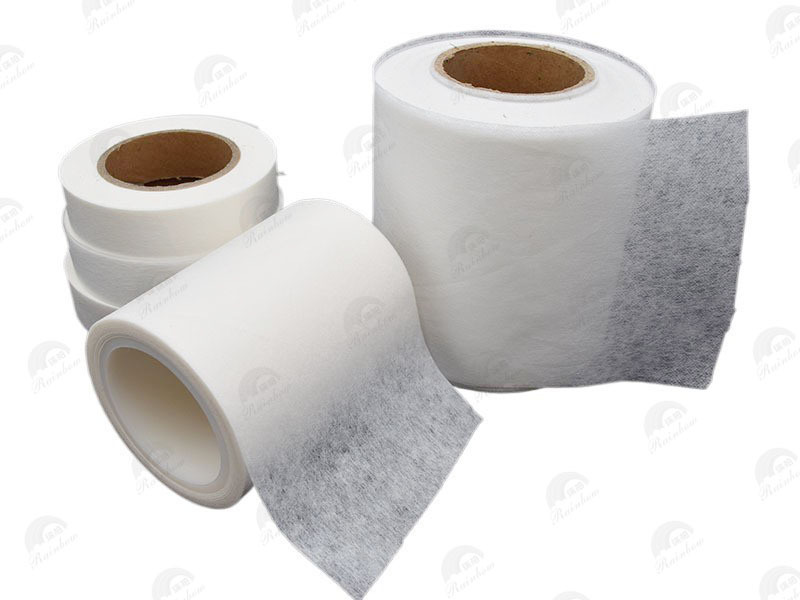
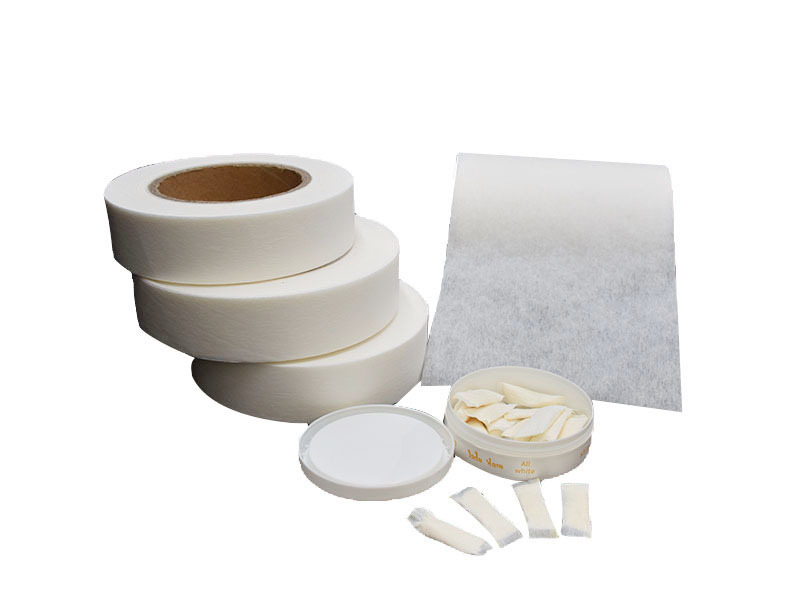
chemical nonwoven fabric for hair curling paper
Latest News


Nantong Rainbow Nonwoven Tech Co.,Ltd.
Telephone:+86-13587673537 +86-15851257231
E-mail:chrislc717@163.com christy@ntrainbow.com
sales1@ntrainbow.com
Address: (No. 88, Sanzong South Road) Group 42, Xichansi Village, Xiting Town, Tongzhou District, Nantong City, Jiangsu Province

Copyright©2024 Nantong Rainbow Technology Co., Ltd. | Powered by www.300.cn
Copyright©2024 Nantong Rainbow Technology Co., Ltd.
Powered by www.300.cn