
Understanding Adhesive Interlining Nonwoven: A Key Component in Textile Innovation
Release time:
2026-03-21
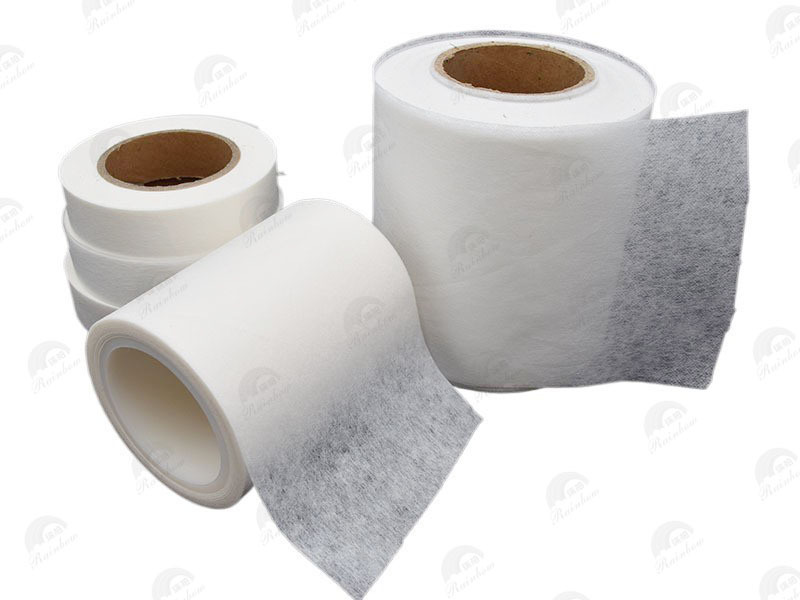
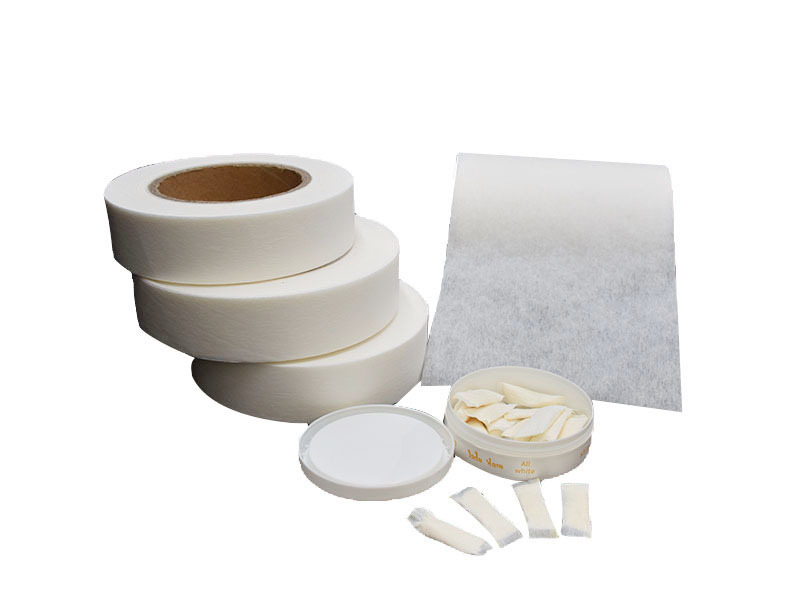
Adhesive interlining nonwoven fabrics represent a remarkable advancement in textile technology, offering a combination of functionality and versatility that is essential for various applications in garment manufacturing. These materials are designed to provide support, shape, and structure to clothing while maintaining comfort and flexibility.
One of the key characteristics of adhesive interlining nonwoven fabrics is their ability to bond seamlessly with outer fabrics. This is achieved through a process that involves applying an adhesive layer to the nonwoven substrate, which can be activated by heat. The resulting bond creates a stable connection between the interlining and the outer fabric, ensuring that garments maintain their intended shape and drape, particularly in areas such as collars, cuffs, and waistbands.
The nonwoven structure itself offers several advantages over traditional woven interlinings. Nonwoven fabrics are typically lighter and more breathable, enhancing wearer comfort without sacrificing the structural integrity needed for tailored garments. Furthermore, the manufacturing process of nonwoven fabrics allows for innovative designs and textures, catering to the diverse aesthetic demands of contemporary fashion.
In addition to their structural benefits, adhesive interlining nonwoven fabrics also contribute to the overall functionality of garments. For instance, these materials can be engineered to provide moisture-wicking properties or enhance thermal insulation, making them ideal for sportswear or outerwear. This adaptability not only meets the practical needs of consumers but also aligns with the current trends towards multifunctional clothing.
Sustainability is another critical aspect driving the evolution of adhesive interlining nonwoven fabrics. Many manufacturers are now focusing on eco-friendly materials, utilizing recycled fibers or bio-based adhesives in their production. This shift not only addresses growing consumer demands for sustainable practices but also positions companies favorably in an increasingly competitive market.
As the textile industry continues to evolve, the significance of adhesive interlining nonwoven fabrics cannot be overstated. Their unique properties and adaptability make them indispensable in the creation of high-quality garments that meet both aesthetic and functional requirements. Whether in high fashion or everyday wear, these innovative materials play a crucial role in shaping the future of textile design and production.
In conclusion, the exploration of adhesive interlining nonwoven fabrics reveals their critical role in enhancing garment quality and performance. As industry professionals, understanding these materials can lead to better product development and a stronger competitive edge in the evolving textile landscape.
One of the key characteristics of adhesive interlining nonwoven fabrics is their ability to bond seamlessly with outer fabrics. This is achieved through a process that involves applying an adhesive layer to the nonwoven substrate, which can be activated by heat. The resulting bond creates a stable connection between the interlining and the outer fabric, ensuring that garments maintain their intended shape and drape, particularly in areas such as collars, cuffs, and waistbands.
The nonwoven structure itself offers several advantages over traditional woven interlinings. Nonwoven fabrics are typically lighter and more breathable, enhancing wearer comfort without sacrificing the structural integrity needed for tailored garments. Furthermore, the manufacturing process of nonwoven fabrics allows for innovative designs and textures, catering to the diverse aesthetic demands of contemporary fashion.
In addition to their structural benefits, adhesive interlining nonwoven fabrics also contribute to the overall functionality of garments. For instance, these materials can be engineered to provide moisture-wicking properties or enhance thermal insulation, making them ideal for sportswear or outerwear. This adaptability not only meets the practical needs of consumers but also aligns with the current trends towards multifunctional clothing.
Sustainability is another critical aspect driving the evolution of adhesive interlining nonwoven fabrics. Many manufacturers are now focusing on eco-friendly materials, utilizing recycled fibers or bio-based adhesives in their production. This shift not only addresses growing consumer demands for sustainable practices but also positions companies favorably in an increasingly competitive market.
As the textile industry continues to evolve, the significance of adhesive interlining nonwoven fabrics cannot be overstated. Their unique properties and adaptability make them indispensable in the creation of high-quality garments that meet both aesthetic and functional requirements. Whether in high fashion or everyday wear, these innovative materials play a crucial role in shaping the future of textile design and production.
In conclusion, the exploration of adhesive interlining nonwoven fabrics reveals their critical role in enhancing garment quality and performance. As industry professionals, understanding these materials can lead to better product development and a stronger competitive edge in the evolving textile landscape.
Adhesive Interlining Nonwoven
Latest News


Nantong Rainbow Nonwoven Tech Co.,Ltd.
Telephone:+86-13587673537 +86-15851257231
E-mail:chrislc717@163.com christy@ntrainbow.com
sales1@ntrainbow.com
Address: (No. 88, Sanzong South Road) Group 42, Xichansi Village, Xiting Town, Tongzhou District, Nantong City, Jiangsu Province

Copyright©2024 Nantong Rainbow Technology Co., Ltd. | Powered by www.300.cn
Copyright©2024 Nantong Rainbow Technology Co., Ltd.
Powered by www.300.cn