
Using Chemical Nonwoven Fabric: Tips for the Best Hair Curling Results
Release time:
2026-03-19
Introduction to Chemical Nonwoven Fabric in Hair Curling
When it comes to styling hair, the quest for the perfect curl often leads us to explore various tools and techniques. Among the innovative methods gaining traction is the use of **chemical nonwoven fabric**. This unique material not only offers durability but also enhances the curling process, ensuring long-lasting results and beautiful, bouncy curls.
In this article, we will guide you through the essential aspects of using chemical nonwoven fabric for hair curling. By the end, you will have all the tips and tricks needed to elevate your curling technique and achieve stunning hairstyles.
What is Chemical Nonwoven Fabric?
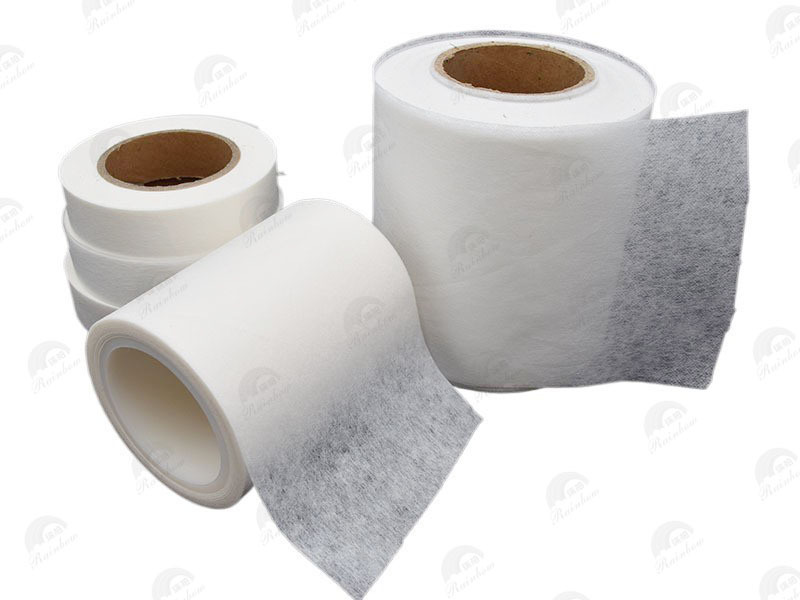
Chemical nonwoven fabric is a specialized textile made from synthetic materials that are bonded together without weaving. This fabric is often used in various applications, from medical supplies to automotive materials, due to its strength and versatility. In hair styling, it has emerged as a game-changer, offering several advantages over traditional curling methods.
Properties of Chemical Nonwoven Fabric
1. **Durability**: Unlike traditional fabrics, chemical nonwoven materials resist wear and tear, allowing them to withstand heat and stress during the curling process.
2. **Flexibility**: The fabric's pliable nature makes it easy to manipulate, enabling you to create various curl sizes and shapes effortlessly.
3. **Breathability**: Good airflow through the fabric ensures that heat is distributed evenly, leading to consistent curling results.
4. **Moisture Control**: Chemical nonwoven fabrics can effectively manage moisture, which is crucial for achieving the perfect curl and maintaining it over time.
Why Use Chemical Nonwoven Fabric for Hair Curling?
Using chemical nonwoven fabric for hair curling has several advantages that make it an appealing choice for both professionals and casual users. Here are some key benefits:
Enhanced Curl Longevity
One of the primary reasons to consider this material is its ability to hold curls for extended periods. The fabric retains heat better and distributes it evenly, ensuring that each curl sets properly and stays in place, even in humid conditions.
Versatility in Curl Styles
With chemical nonwoven fabric, you can easily create a variety of curl styles. From tight ringlets to loose beach waves, the fabric allows for customizable curl patterns that suit your desired look.
Reduced Hair Damage
Using traditional heated curling tools can lead to hair damage over time. Chemical nonwoven fabric minimizes the risk by providing a gentler curling method that requires less direct heat.
How to Use Chemical Nonwoven Fabric for Curling Hair
Now that we understand the benefits of using chemical nonwoven fabric, let's explore the step-by-step process of incorporating it into your curling routine.
Step 1: Gather Your Supplies
To begin, you will need the following items:
- Chemical nonwoven fabric (available at beauty supply stores)
- Hair clips or ties
- A heat protectant spray
- Hair styling products (mousse, gel, etc.)
- A pair of scissors
- Optional: curling iron or hot rollers for additional styling
Step 2: Prepare Your Hair
Start with clean, slightly damp hair. Apply a heat protectant spray to shield your strands from damage. If you prefer additional hold, incorporate a styling product like mousse or gel to enhance texture and grip.
Step 3: Cut the Nonwoven Fabric
Cut the chemical nonwoven fabric into strips, ensuring they are long enough to wrap around sections of hair. The width of the strips will depend on the size of the curls you want to achieve. For tighter curls, opt for narrower strips.
Step 4: Section Your Hair
Divide your hair into manageable sections using hair clips or ties. This will make the curling process more efficient and ensure that each section receives equal attention.
Step 5: Curling Technique
1. Take a small section of hair and place it on a strip of nonwoven fabric.
2. Wrap the hair around the fabric, starting from the ends and moving toward the roots.
3. Tie the ends of the fabric to secure the curl in place. Ensure that it is snug but not too tight to avoid discomfort.
4. Repeat this process for all sections of hair, allowing them to set.
Step 6: Heat Application
For added curl definition, you can apply gentle heat using a curling iron or hot rollers. Alternatively, you can let your hair air dry naturally. If you choose to use heat, ensure that the temperature is low to avoid damaging the nonwoven fabric or your hair.
Step 7: Release the Curls
Once the curls have set, carefully untie the nonwoven fabric strips and gently separate the curls with your fingers. Avoid using a brush, as this can lead to frizz.
Additional Tip: Finishing Touches
To lock in your curls, apply a light mist of hairspray or a finishing spray. This will provide extra hold while maintaining the bounce and shape of your curls.
Best Practices for Using Chemical Nonwoven Fabric
To achieve the best results with chemical nonwoven fabric, keep the following best practices in mind:
1. Customize Curl Size
Experiment with different sizes of fabric strips to find the perfect width for your desired curl size. The smaller the strip, the tighter the curl, and vice versa.
2. Monitor Heat Levels
If using heat, regularly check the temperature settings on your curling tools. Overheating can damage both the fabric and your hair, leading to undesirable results.
3. Maintain Clean Fabric
Ensure that your chemical nonwoven fabric is clean and free from any products before use. This helps maintain their effectiveness and prevents any unwanted transfer of residues to your hair.
Common Mistakes to Avoid
While using chemical nonwoven fabric can elevate your curling game, certain pitfalls can hinder your success. Here are some common mistakes to avoid:
1. Skipping Heat Protectant
Always apply a heat protectant before using any heated tools. This crucial step prevents potential damage and keeps your hair healthy.
2. Overloading on Products
Using too many styling products can weigh your hair down, leading to limp curls. Stick to lightweight products for the best results.
3. Rushing the Curling Process
Take your time while curling your hair with nonwoven fabric. Rushing through the process can result in uneven curls and subpar results.
FAQs About Using Chemical Nonwoven Fabric for Hair Curling
1. Can I reuse chemical nonwoven fabric for hair curling?
Yes, chemical nonwoven fabric can be reused multiple times, provided they are cleaned and maintained properly.
2. How long should I leave the curls in?
For best results, allow the curls to set for at least 30 minutes. For tighter curls, consider leaving them for a few hours or overnight.
3. Is it safe to use heat on chemical nonwoven fabric?
Yes, but be cautious with the temperature settings. Use low to medium heat to avoid damaging both the fabric and your hair.
4. Can I use this method on all hair types?
Chemical nonwoven fabric can be used on various hair types, but results may vary based on texture and porosity. Adjust techniques accordingly.
5. How can I maintain my curls throughout the day?
To maintain curls, use a light hairspray for hold and avoid touching your curls too much, as this can lead to frizz.
Conclusion: Mastering the Art of Curling with Chemical Nonwoven Fabric
Incorporating chemical nonwoven fabric into your hair curling routine can transform your styling experience. With its numerous benefits, including enhanced curl longevity and flexibility, it's no wonder that this innovative material has become a go-to for many. By following the tips and techniques outlined in this guide, you can achieve beautiful, bouncy curls that turn heads.
Now that you have the knowledge and confidence to use chemical nonwoven fabric effectively, it's time to experiment and discover what works best for you. Embrace the art of curling and enjoy the stunning results!
chemical nonwoven fabric for hair curling paper
Latest News


Nantong Rainbow Nonwoven Tech Co.,Ltd.
Telephone:+86-13587673537 +86-15851257231
E-mail:chrislc717@163.com christy@ntrainbow.com
sales1@ntrainbow.com
Address: (No. 88, Sanzong South Road) Group 42, Xichansi Village, Xiting Town, Tongzhou District, Nantong City, Jiangsu Province

Copyright©2024 Nantong Rainbow Technology Co., Ltd. | Powered by www.300.cn
Copyright©2024 Nantong Rainbow Technology Co., Ltd.
Powered by www.300.cn