
Fusible Nonwoven Interlining: Essential Factors to Evaluate Before Your Purchase
Release time:
2026-02-23
Fusible Nonwoven Interlining: Key Factors to Consider Before Purchase
When navigating the world of textiles, **fusible nonwoven interlining** plays a crucial role in enhancing the quality and durability of garments. Whether you are a professional tailor, a fashion designer, or an enthusiastic DIYer, understanding the specific details about fusible nonwoven interlining can significantly improve your projects. In this article, we will explore key factors to consider before making a purchase, ensuring you select the most suitable interlining for your needs.
Table of Contents
- 1. What is Fusible Nonwoven Interlining?
- 2. Types of Fusible Nonwoven Interlining
- 3. Key Factors to Consider Before Purchase
- 3.1 Fabric Compatibility
- 3.2 Weight and Thickness
- 3.3 Adhesive Quality
- 3.4 Color and Finish
- 3.5 Application Method
- 4. Common Applications of Fusible Nonwoven Interlining
- 5. How to Apply Fusible Nonwoven Interlining
- 6. Maintenance and Care Tips
- 7. Frequently Asked Questions
- 8. Conclusion
1. What is Fusible Nonwoven Interlining?
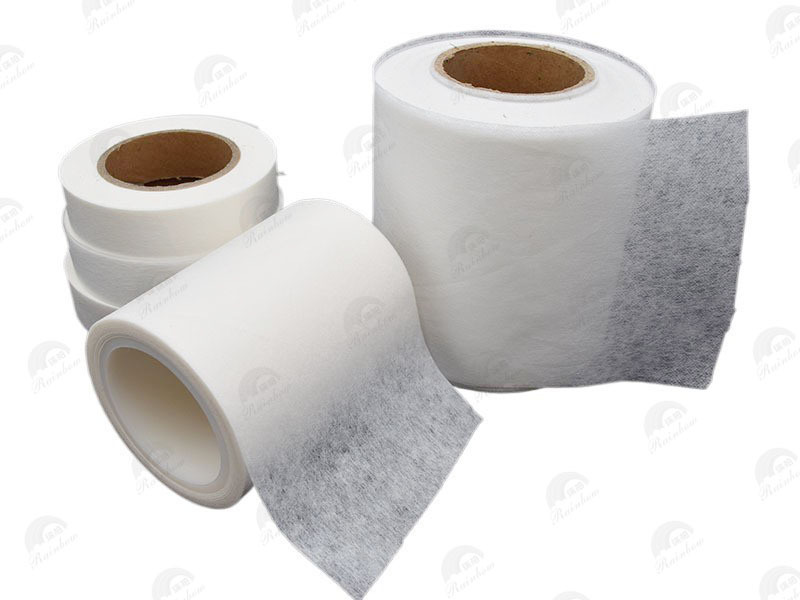
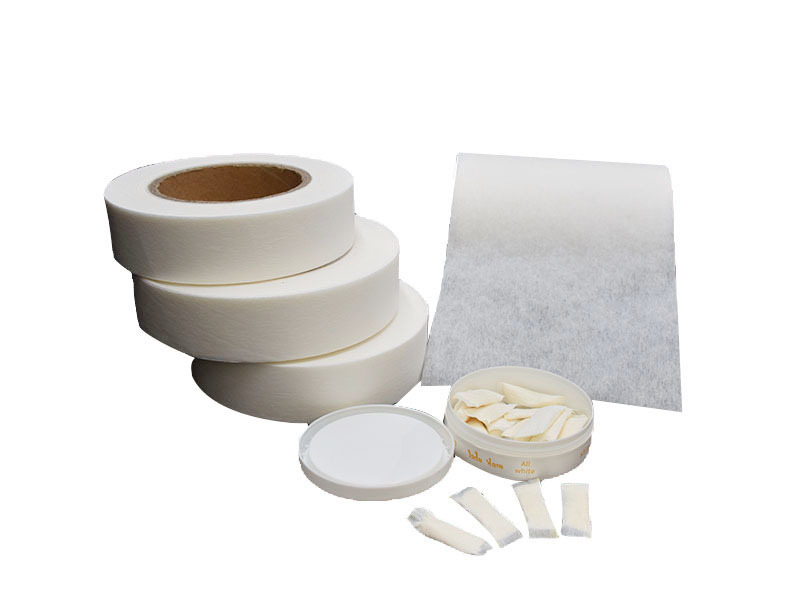
**Fusible nonwoven interlining** is a type of textile material used to reinforce fabrics, providing structure and stability. Made from synthetic fibers, this interlining is bonded to the fabric using heat and pressure, making it ideal for a wide range of applications, from apparel to home decor. Unlike traditional woven interlinings, nonwoven varieties offer unique advantages, including flexibility and ease of use.
2. Types of Fusible Nonwoven Interlining
Understanding the different types of fusible nonwoven interlining is essential for making the right choice. The primary varieties include:
2.1 Light-Weight Fusible Nonwoven Interlining
This type is ideal for lightweight fabrics and delicate garments. It adds minimal bulk while providing necessary support.
2.2 Medium-Weight Fusible Nonwoven Interlining
Medium-weight interlining is versatile, suitable for standard fabrics. It offers a balance between support and drape.
2.3 Heavy-Weight Fusible Nonwoven Interlining
Heavy-weight options are perfect for structured garments, providing maximum support for tailored pieces.
3. Key Factors to Consider Before Purchase
When selecting fusible nonwoven interlining, various factors must be taken into account to ensure compatibility and performance.
3.1 Fabric Compatibility
The first consideration is **fabric compatibility**. Different fabrics react differently to interlining; therefore, choosing an interlining that complements your main fabric is crucial. For example, a delicate silk may require a lighter interlining, whereas a sturdy denim could handle a heavier option.
3.2 Weight and Thickness
The **weight and thickness** of the interlining should align with your project’s requirements. Lighter interlinings can provide a soft finish while heavier options will result in a more structured appearance. Always consider the final look and feel you desire.
3.3 Adhesive Quality
The **adhesive quality** significantly affects the durability and functionality of fusible nonwoven interlining. High-quality adhesives ensure that the interlining bonds effectively during heat application and withstands washing and wear over time. Look for interlinings that specify their adhesive properties and test samples when possible.
3.4 Color and Finish
Selecting the right **color and finish** is essential for achieving a cohesive look. While many fusible nonwoven interlinings come in neutral shades, options may be available in various colors. Ensure that the finish matches the desired aesthetic of your finished product.
3.5 Application Method
Understanding the **application method** is vital. Some fusible nonwoven interlinings are designed for iron-on application, while others may require special sewing techniques. Familiarize yourself with the recommended application method to ensure the best results.
4. Common Applications of Fusible Nonwoven Interlining
Fusible nonwoven interlining finds extensive use across various textile applications. Common uses include:
- **Garment Construction:** Enhancing collars, cuffs, and facings for structure and support.
- **Home Decor:** Reinforcing curtains, upholstery, and table linens for lasting durability.
- **Costume Design:** Providing stability for intricate designs and ensuring garments maintain their shape.
5. How to Apply Fusible Nonwoven Interlining
Applying fusible nonwoven interlining requires precision and care. Follow these steps for the best results:
1. **Preparation:** Prewash and iron your fabric to remove wrinkles and shrinkage.
2. **Cutting:** Cut the interlining slightly smaller than the fabric pieces to avoid bulk at the seams.
3. **Placement:** Position the adhesive side of the interlining against the wrong side of the fabric.
4. **Heat Application:** Use a dry iron set to the appropriate temperature for the fabric. Press down for several seconds, ensuring even heat distribution.
5. **Cooling:** Allow the fabric to cool completely before handling, ensuring a strong bond.
6. Maintenance and Care Tips
To prolong the life of garments and projects using fusible nonwoven interlining, follow these maintenance and care tips:
- **Washing:** Always check the care label. Most fusible nonwoven interlinings are machine washable, but it’s important to follow specific instructions.
- **Ironing:** Use a pressing cloth when ironing to avoid damaging the adhesive.
- **Storage:** Store completed projects in a cool, dry place to prevent degradation of the interlining.
7. Frequently Asked Questions
7.1 What is the difference between fusible and sew-in interlining?
Fusible interlining uses heat and adhesive to bond with fabric, while sew-in interlining requires stitching to attach.
7.2 Can I use fusible nonwoven interlining on delicate fabrics?
Yes, but it’s crucial to select a lightweight option and test it on a fabric scrap first.
7.3 How do I know if the adhesive will hold?
Look for interlinings with quality specifications and user reviews regarding adhesive performance.
7.4 Is fusible nonwoven interlining suitable for home decor?
Absolutely! It works well for reinforcing upholstery and curtains, providing both support and shape.
7.5 Can I remove fusible nonwoven interlining?
While possible, removing interlining can be challenging without damaging the fabric. It’s advisable to test on a small area first.
8. Conclusion
In conclusion, understanding the nuances of **fusible nonwoven interlining** is essential for anyone involved in textile projects. By considering factors such as fabric compatibility, weight, adhesive quality, and application method, you can make informed decisions that enhance the quality and durability of your work. With the right interlining, your garments and home decor items can achieve the desired aesthetics and functionality, resulting in impressive finished products. Embrace the versatility of fusible nonwoven interlining and elevate your textile creations to the next level.
fusible nonwoven interlining
Latest News


Nantong Rainbow Nonwoven Tech Co.,Ltd.
Telephone:+86-13587673537 +86-15851257231
E-mail:chrislc717@163.com christy@ntrainbow.com
sales1@ntrainbow.com
Address: (No. 88, Sanzong South Road) Group 42, Xichansi Village, Xiting Town, Tongzhou District, Nantong City, Jiangsu Province

Copyright©2024 Nantong Rainbow Technology Co., Ltd. | Powered by www.300.cn
Copyright©2024 Nantong Rainbow Technology Co., Ltd.
Powered by www.300.cn