
Understanding Chemical Bonded Nonwoven Fusible Interlining: An Essential Component in Textile Applications
Release time:
2026-02-21
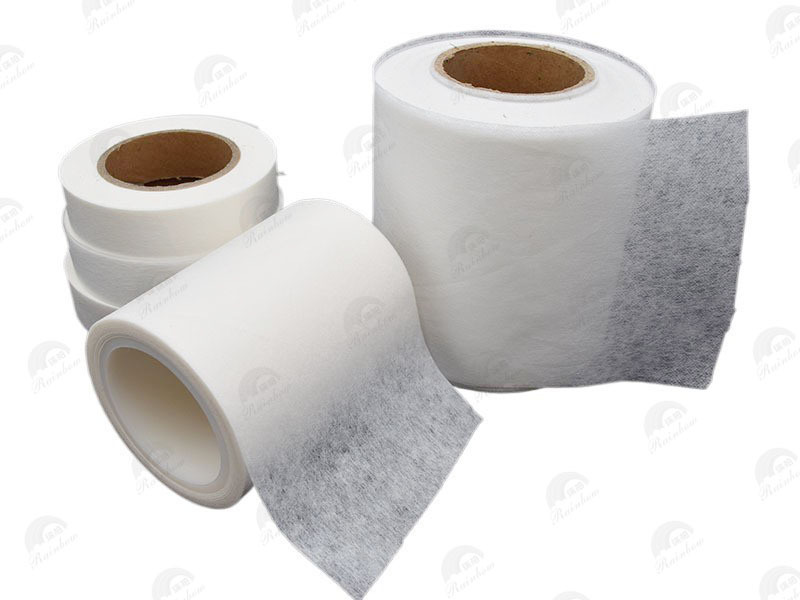
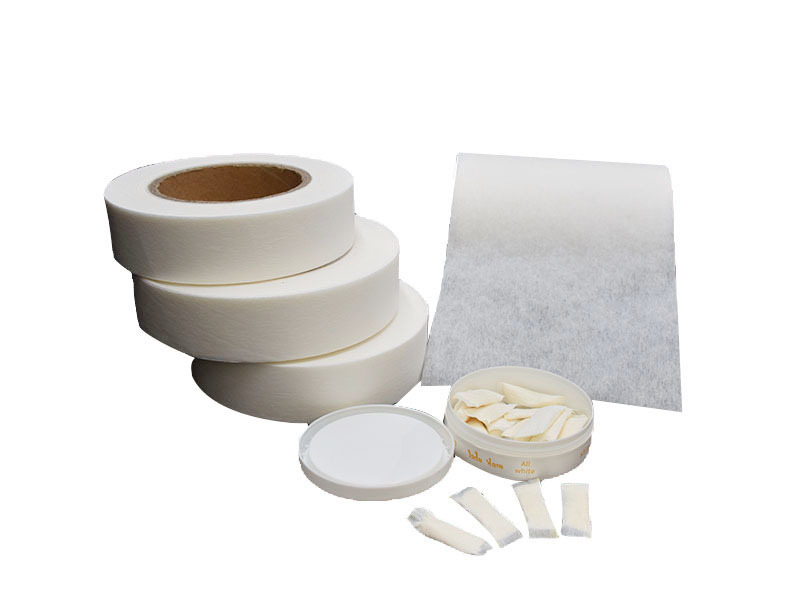
Chemical bonded nonwoven fusible interlining is a crucial component in the textile industry, particularly in the production of garments and other fabric-based products. This innovative material combines the benefits of nonwoven technology with fusible properties, making it a preferred choice for various applications. In this article, we will delve into what chemical bonded nonwoven fusible interlining is, its unique characteristics, and how it contributes to the quality and durability of textile products.
One of the primary features of chemical bonded nonwoven fusible interlining is its manufacturing process. This type of interlining is created by bonding fibers together using a chemical adhesive, resulting in a lightweight, strong, and durable fabric. The nonwoven structure provides excellent stability and support, making it ideal for reinforcing areas in clothing such as collars, cuffs, and waistbands. Additionally, the fusible nature allows it to adhere seamlessly to the main fabric when heat is applied, creating a strong bond that enhances the overall integrity of the garment.
The versatility of chemical bonded nonwoven fusible interlining is another major advantage. It is available in various weights, thicknesses, and finishes, catering to a wide range of textile applications. This flexibility allows designers and manufacturers to select the ideal type of interlining that meets their specific needs, whether it be for lightweight summer wear or heavier winter garments. Furthermore, the material can be used in combination with different fabrics, including cotton, polyester, and blends, further expanding its usability.
In addition to its functional benefits, chemical bonded nonwoven fusible interlining also plays a significant role in improving the aesthetic appeal of finished products. By providing better structure and support, it helps garments maintain their shape and drape beautifully, enhancing the overall look and feel. This is particularly important in high-quality fashion garments, where presentation and fit are paramount.
Moreover, the application of chemical bonded nonwoven fusible interlining can also contribute to improved garment performance. It can help in reducing fabric fraying, increasing resistance to wrinkles, and improving overall durability. These qualities are essential for producing long-lasting and reliable products that meet consumer expectations.
In conclusion, chemical bonded nonwoven fusible interlining is an indispensable element in the textile industry, offering a combination of strength, versatility, and aesthetic enhancement. By understanding its properties and applications, manufacturers can leverage this material to create high-quality garments that stand out in the competitive market. Whether you are a designer, manufacturer, or retailer, recognizing the value of this interlining can significantly impact your product offerings and customer satisfaction.
One of the primary features of chemical bonded nonwoven fusible interlining is its manufacturing process. This type of interlining is created by bonding fibers together using a chemical adhesive, resulting in a lightweight, strong, and durable fabric. The nonwoven structure provides excellent stability and support, making it ideal for reinforcing areas in clothing such as collars, cuffs, and waistbands. Additionally, the fusible nature allows it to adhere seamlessly to the main fabric when heat is applied, creating a strong bond that enhances the overall integrity of the garment.
The versatility of chemical bonded nonwoven fusible interlining is another major advantage. It is available in various weights, thicknesses, and finishes, catering to a wide range of textile applications. This flexibility allows designers and manufacturers to select the ideal type of interlining that meets their specific needs, whether it be for lightweight summer wear or heavier winter garments. Furthermore, the material can be used in combination with different fabrics, including cotton, polyester, and blends, further expanding its usability.
In addition to its functional benefits, chemical bonded nonwoven fusible interlining also plays a significant role in improving the aesthetic appeal of finished products. By providing better structure and support, it helps garments maintain their shape and drape beautifully, enhancing the overall look and feel. This is particularly important in high-quality fashion garments, where presentation and fit are paramount.
Moreover, the application of chemical bonded nonwoven fusible interlining can also contribute to improved garment performance. It can help in reducing fabric fraying, increasing resistance to wrinkles, and improving overall durability. These qualities are essential for producing long-lasting and reliable products that meet consumer expectations.
In conclusion, chemical bonded nonwoven fusible interlining is an indispensable element in the textile industry, offering a combination of strength, versatility, and aesthetic enhancement. By understanding its properties and applications, manufacturers can leverage this material to create high-quality garments that stand out in the competitive market. Whether you are a designer, manufacturer, or retailer, recognizing the value of this interlining can significantly impact your product offerings and customer satisfaction.
chemical bonded Nonwoven fusible interlining
Latest News


Nantong Rainbow Nonwoven Tech Co.,Ltd.
Telephone:+86-13587673537 +86-15851257231
E-mail:chrislc717@163.com christy@ntrainbow.com
sales1@ntrainbow.com
Address: (No. 88, Sanzong South Road) Group 42, Xichansi Village, Xiting Town, Tongzhou District, Nantong City, Jiangsu Province

Copyright©2024 Nantong Rainbow Technology Co., Ltd. | Powered by www.300.cn
Copyright©2024 Nantong Rainbow Technology Co., Ltd.
Powered by www.300.cn