
GRS Nonwoven Fabric vs Traditional Fabrics: An In-Depth Comparison for Industry Professionals
Release time:
2026-01-30
GRS Nonwoven Fabric vs Traditional Fabrics: A Comprehensive Comparison
Table of Contents
- 1. Introduction to GRS Nonwoven Fabric and Traditional Fabrics
- 2. What is GRS Nonwoven Fabric?
- 3. Overview of Traditional Fabrics
- 4. Key Differences Between GRS Nonwoven Fabric and Traditional Fabrics
- 5. Advantages of GRS Nonwoven Fabric
- 6. Advantages of Traditional Fabrics
- 7. Environmental Impact: Nonwoven vs Traditional
- 8. Applications of GRS Nonwoven Fabric and Traditional Fabrics
- 9. Conclusion
- 10. Frequently Asked Questions (FAQs)
1. Introduction to GRS Nonwoven Fabric and Traditional Fabrics
In the textile industry, the choice between **GRS nonwoven fabric** and **traditional fabrics** has significant implications for performance, cost, and sustainability. This article aims to provide an in-depth analysis of both fabric types, equipping industry professionals with the knowledge necessary to make informed decisions tailored to their specific needs.
2. What is GRS Nonwoven Fabric?
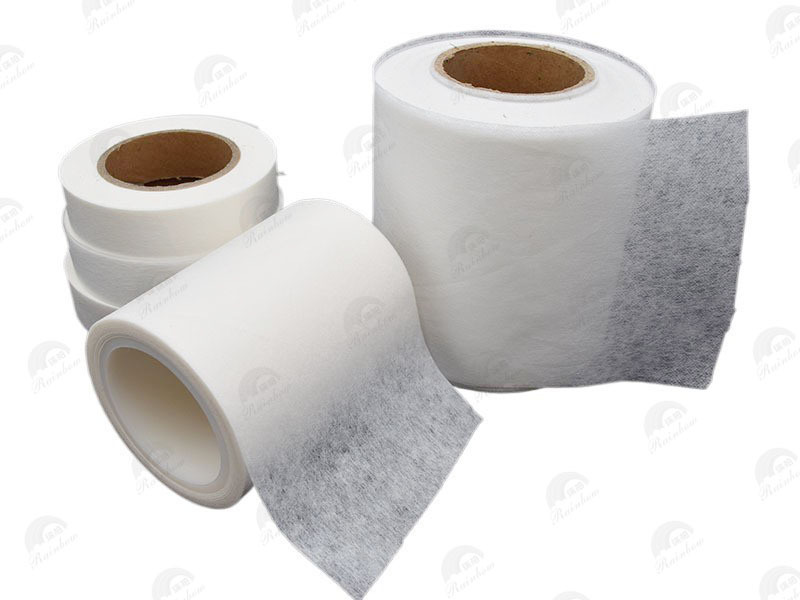
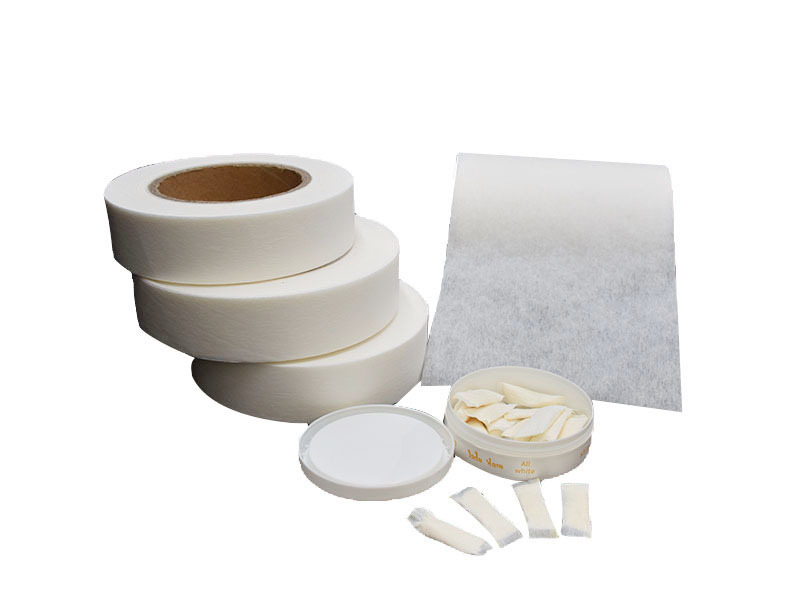
**GRS nonwoven fabric**, short for Global Recycled Standard, refers to fabric created from recycled materials that are bonded together without weaving or knitting. This innovative approach involves various methods such as spraying, bonding, or thermal processes. The key characteristic of GRS nonwoven fabrics is their ability to maintain a high level of strength and durability while being lightweight and versatile.
Some notable properties of GRS nonwoven fabrics include:
- **Breathability:** They allow air and moisture to pass through, making them ideal for applications needing ventilation.
- **Cost-Effectiveness:** Their production process is often less expensive compared to traditional fabric manufacturing.
- **Recyclability:** Being made from recycled materials, they contribute to a more sustainable production model.
3. Overview of Traditional Fabrics
Traditional fabrics, such as cotton, polyester, and wool, involve the weaving or knitting of fibers to create textiles. This method produces materials that can be soft, durable, or stretchable, depending on the fibers used. Traditional fabrics have been the cornerstone of the textile industry for centuries, offering a wide range of textures and finishes.
**Key features of traditional fabrics include:**
- **Versatility:** They are suitable for various applications, from clothing to home textiles.
- **Aesthetic Variety:** Traditional fabrics can be dyed and printed with intricate designs, offering creativity and style.
- **Durability:** Many traditional fabrics boast high durability and resistance to wear and tear.
4. Key Differences Between GRS Nonwoven Fabric and Traditional Fabrics
Understanding the differences between GRS nonwoven fabrics and traditional fabrics helps industry professionals select the appropriate material for their projects.
- **Manufacturing Process:** Nonwoven fabrics are produced through bonding methods, while traditional fabrics require weaving or knitting.
- **Material Composition:** GRS nonwoven fabrics often utilize recycled materials, whereas traditional fabrics may be sourced from virgin fibers.
- **Strength and Durability:** Nonwoven fabrics tend to be more tear-resistant but may lack the overall longevity of some traditional fabrics.
5. Advantages of GRS Nonwoven Fabric
GRS nonwoven fabrics offer several advantages that make them an attractive option for various applications:
- **Sustainability:** With the use of recycled materials, GRS nonwoven fabrics contribute to a circular economy, reducing the need for virgin raw materials.
- **Lightweight and Low Bulk:** Their lightweight nature allows for easy handling and transportation, making them ideal for disposable products.
- **Customizability:** Manufacturers can tailor the properties of nonwoven fabrics, such as thickness and texture, to meet specific requirements.
6. Advantages of Traditional Fabrics
While GRS nonwoven fabrics have their merits, traditional fabrics also bring unique strengths to the table:
- **Aesthetic Appeal:** The ability to dye and print on traditional fabrics allows for greater creativity in design.
- **Comfort:** Natural fibers, such as cotton and wool, often provide superior comfort, making them preferable for clothing and upholstery.
- **Longevity:** High-quality traditional fabrics can be more durable over time, especially in high-wear applications.
7. Environmental Impact: Nonwoven vs Traditional
The environmental implications of fabric production are critical considerations in the textile industry. GRS nonwoven fabrics, by virtue of their recycled nature, generally have a lower carbon footprint. They help reduce waste in landfills and minimize the consumption of new resources.
On the other hand, traditional fabric production can have significant environmental impacts, including:
- **Water Usage:** Growing natural fibers, like cotton, requires vast amounts of water.
- **Chemical Dependency:** The dyeing and processing of traditional fabrics often involve harmful chemicals that can pollute water sources.
8. Applications of GRS Nonwoven Fabric and Traditional Fabrics
Both GRS nonwoven and traditional fabrics have distinct applications across various industries.
**GRS Nonwoven Fabric Applications:**
- **Medical Supplies:** Due to their sterility and disposability, nonwoven fabrics are widely used in surgical gowns and masks.
- **Geotextiles:** These fabrics help control soil erosion and provide drainage solutions.
- **Hygiene Products:** Nonwoven materials are prevalent in diapers, feminine hygiene products, and adult incontinence items.
**Traditional Fabrics Applications:**
- **Apparel:** Clothing remains the most common application for traditional fabrics, offering a range of styles and finishes.
- **Home Textiles:** Curtains, upholstery, and bedding rely heavily on traditional fabrics for aesthetic appeal and comfort.
- **Industrial Uses:** Heavy-duty traditional fabrics are used in applications such as sails, tarps, and workwear.
9. Conclusion
In the ongoing debate between GRS nonwoven fabrics and traditional fabrics, each option has its unique strengths and drawbacks. GRS nonwoven fabrics stand out for their sustainability and versatility, making them suitable for disposable applications. Traditional fabrics, conversely, remain a staple due to their aesthetic appeal, comfort, and durability.
Ultimately, the choice between GRS nonwoven fabric and traditional fabrics should align with specific project requirements, environmental considerations, and desired performance characteristics. As the textile industry continues to evolve, understanding these materials will play a crucial role in making sustainable decisions that benefit both consumers and the planet.
10. Frequently Asked Questions (FAQs)
What are GRS nonwoven fabrics made from?
GRS nonwoven fabrics are primarily made from recycled materials, which can include plastics and natural fibers, processed through various bonding methods.
Are GRS nonwoven fabrics biodegradable?
While some GRS nonwoven fabrics are made from biodegradable materials, the overall biodegradability depends on the specific components used in the fabric.
Can traditional fabrics be environmentally friendly?
Yes, traditional fabrics can be environmentally friendly if sourced from sustainable fibers and produced through eco-conscious methods.
Which is more cost-effective: GRS nonwoven fabric or traditional fabrics?
Typically, GRS nonwoven fabrics can be more cost-effective due to their less complex manufacturing process, though costs will vary based on materials and applications.
How do I choose between GRS nonwoven fabric and traditional fabrics for my project?
Consider factors such as the intended application, environmental impact, durability, and budget to make the best choice for your specific needs.
GRS Nonwoven Fabric
Latest News


Nantong Rainbow Nonwoven Tech Co.,Ltd.
Telephone:+86-13587673537 +86-15851257231
E-mail:chrislc717@163.com christy@ntrainbow.com
sales1@ntrainbow.com
Address: (No. 88, Sanzong South Road) Group 42, Xichansi Village, Xiting Town, Tongzhou District, Nantong City, Jiangsu Province

Copyright©2024 Nantong Rainbow Technology Co., Ltd. | Powered by www.300.cn
Copyright©2024 Nantong Rainbow Technology Co., Ltd.
Powered by www.300.cn