
Understanding Foam Bonded Nonwoven Lining: Applications and Benefits
Release time:
2026-01-28
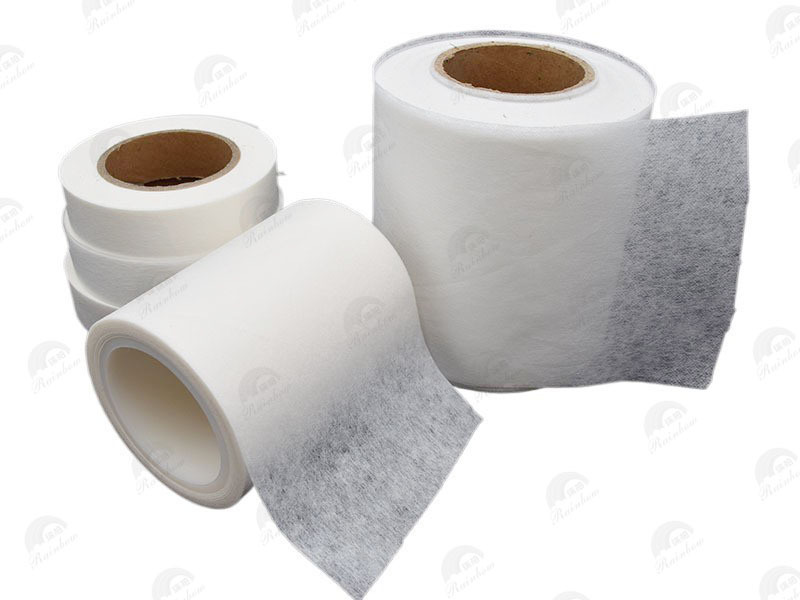
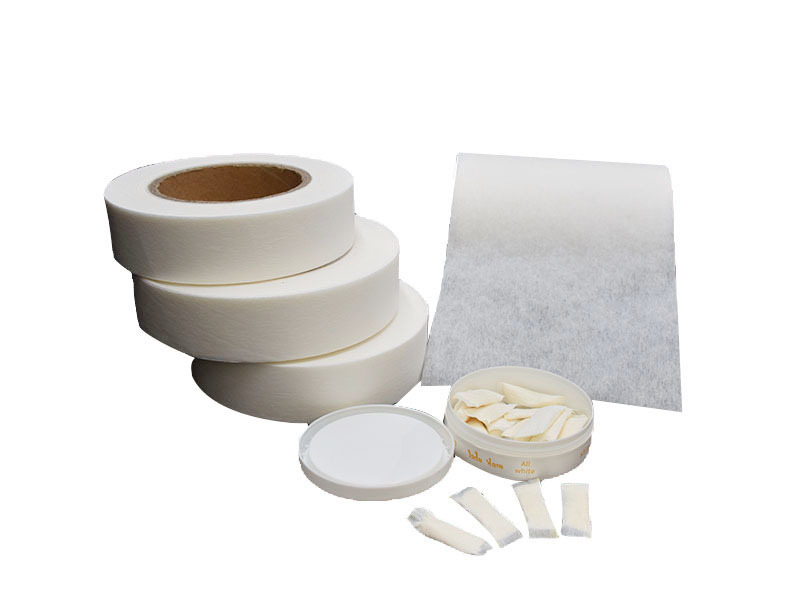
Foam Bonded Nonwoven Lining is an advanced textile technology that combines a foam layer with nonwoven fabrics, resulting in a lightweight yet robust material. This unique bonding process creates a composite fabric that boasts superior insulation, cushioning, and durability. Due to its multifaceted benefits, Foam Bonded Nonwoven Lining is increasingly being utilized in diverse sectors, including automotive, apparel, and home textiles.
One of the standout features of Foam Bonded Nonwoven Lining is its excellent thermal insulation properties. This makes it ideal for applications requiring heat retention, such as winter clothing and outerwear. The foam layer acts as a barrier, trapping air and minimizing heat loss, which is particularly advantageous in colder climates. As a result, garments made with this lining not only provide comfort but also enhance user experience through improved warmth without adding excessive bulk.
Another critical advantage of Foam Bonded Nonwoven Lining is its cushioning effect. This property is highly sought after in industries like footwear and upholstery, where comfort and support are paramount. The foam layer provides a soft yet supportive feel, making shoes more comfortable for prolonged wear and furniture more inviting. The lightweight nature of the material ensures that while cushioning is provided, it does not compromise on the overall weight and maneuverability of the final product.
Additionally, Foam Bonded Nonwoven Lining exhibits remarkable durability and resilience. The fusion of foam and nonwoven fabric creates a robust material that can withstand wear and tear, making it suitable for high-traffic applications. This durability not only extends the lifespan of products but also contributes to sustainability efforts, as less frequent replacements are needed.
Moreover, the versatility of Foam Bonded Nonwoven Lining allows it to be tailored for specific applications. Whether it’s custom thickness, density, or texture, manufacturers can modify the material to meet the specific needs of their products. This adaptability means that industries can harness the benefits of Foam Bonded Nonwoven Lining, regardless of their unique requirements.
In conclusion, Foam Bonded Nonwoven Lining is a sophisticated textile solution that offers a plethora of benefits, from enhanced insulation and cushioning to impressive durability. Its application across various sectors showcases its versatility and innovation in the textile industry. By understanding its properties and advantages, businesses can make informed decisions about incorporating this material into their products, ultimately improving performance and customer satisfaction.
One of the standout features of Foam Bonded Nonwoven Lining is its excellent thermal insulation properties. This makes it ideal for applications requiring heat retention, such as winter clothing and outerwear. The foam layer acts as a barrier, trapping air and minimizing heat loss, which is particularly advantageous in colder climates. As a result, garments made with this lining not only provide comfort but also enhance user experience through improved warmth without adding excessive bulk.
Another critical advantage of Foam Bonded Nonwoven Lining is its cushioning effect. This property is highly sought after in industries like footwear and upholstery, where comfort and support are paramount. The foam layer provides a soft yet supportive feel, making shoes more comfortable for prolonged wear and furniture more inviting. The lightweight nature of the material ensures that while cushioning is provided, it does not compromise on the overall weight and maneuverability of the final product.
Additionally, Foam Bonded Nonwoven Lining exhibits remarkable durability and resilience. The fusion of foam and nonwoven fabric creates a robust material that can withstand wear and tear, making it suitable for high-traffic applications. This durability not only extends the lifespan of products but also contributes to sustainability efforts, as less frequent replacements are needed.
Moreover, the versatility of Foam Bonded Nonwoven Lining allows it to be tailored for specific applications. Whether it’s custom thickness, density, or texture, manufacturers can modify the material to meet the specific needs of their products. This adaptability means that industries can harness the benefits of Foam Bonded Nonwoven Lining, regardless of their unique requirements.
In conclusion, Foam Bonded Nonwoven Lining is a sophisticated textile solution that offers a plethora of benefits, from enhanced insulation and cushioning to impressive durability. Its application across various sectors showcases its versatility and innovation in the textile industry. By understanding its properties and advantages, businesses can make informed decisions about incorporating this material into their products, ultimately improving performance and customer satisfaction.
Foam Bonded Nonwoven lining
Latest News


Nantong Rainbow Nonwoven Tech Co.,Ltd.
Telephone:+86-13587673537 +86-15851257231
E-mail:chrislc717@163.com christy@ntrainbow.com
sales1@ntrainbow.com
Address: (No. 88, Sanzong South Road) Group 42, Xichansi Village, Xiting Town, Tongzhou District, Nantong City, Jiangsu Province

Copyright©2024 Nantong Rainbow Technology Co., Ltd. | Powered by www.300.cn
Copyright©2024 Nantong Rainbow Technology Co., Ltd.
Powered by www.300.cn