
Unlocking the Benefits of Nonwoven Fusible Interlining in Apparel Design
Release time:
2025-12-17
Unlocking the Benefits of Nonwoven Fusible Interlining in Apparel Design
Table of Contents
1. Introduction to Nonwoven Fusible Interlining
2. What Is Nonwoven Fusible Interlining?
3. Key Benefits of Nonwoven Fusible Interlining
3.1 Enhancing Fabric Stability and Structure
3.2 Improving Garment Longevity
3.3 Versatility in Design Applications
4. How Nonwoven Fusible Interlining Works
5. Choosing the Right Nonwoven Fusible Interlining
5.1 Types of Nonwoven Interlining
5.2 Factors to Consider When Selecting Interlining
6. Applications in Apparel Design
6.1 Use in Tailored Garments
6.2 Applications in Casual Wear
6.3 Role in Activewear Design
7. Tips for Effective Use of Nonwoven Fusible Interlining
8. FAQs About Nonwoven Fusible Interlining in Apparel Design
9. Conclusion
1. Introduction to Nonwoven Fusible Interlining
In the world of apparel design, the materials we choose can significantly influence the final product's aesthetic and functional qualities. **Nonwoven fusible interlining** is one such material that has gained considerable attention for its numerous benefits. As designers seek to create garments that not only look good but also perform well, understanding the advantages of this innovative material becomes crucial.
2. What Is Nonwoven Fusible Interlining?
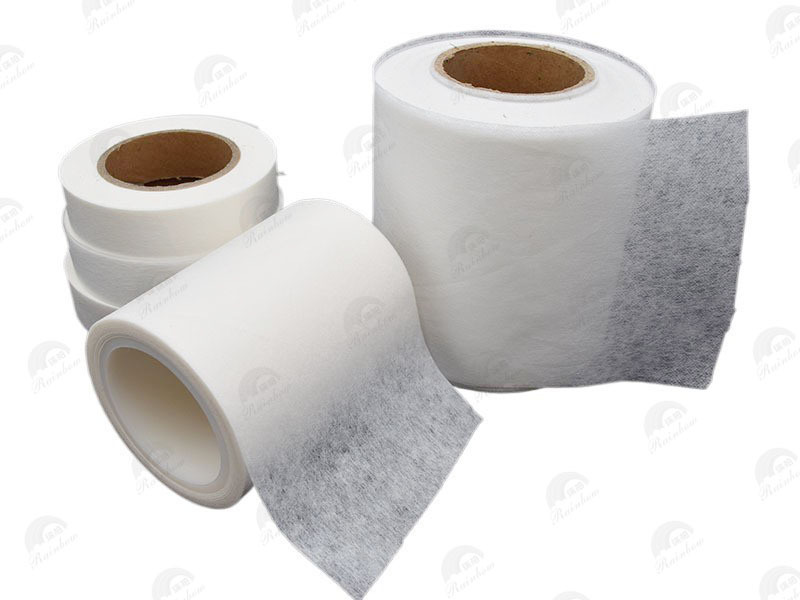
**Nonwoven fusible interlining** is a specialized textile material used in garment construction to add structure, support, and stability to fabrics. Unlike traditional woven interlinings, nonwoven fusible interlining is made from fibers that are bonded together using heat, pressure, or adhesives, resulting in a fabric that is lightweight yet durable. This unique construction process enhances the interlining's ability to adhere to the outer fabric, creating a seamless bond that improves the overall garment quality.
3. Key Benefits of Nonwoven Fusible Interlining
The advantages of using nonwoven fusible interlining in apparel design are extensive. Here, we will explore some of the most significant benefits:
3.1 Enhancing Fabric Stability and Structure
One of the primary roles of nonwoven fusible interlining is to enhance the **stability and structure** of the outer fabric. By providing additional support, it helps maintain the shape of garments, particularly in areas that require reinforcement, such as collars, cuffs, and waistbands. This stability is essential for achieving clean lines and a polished finish in tailored clothing.
3.2 Improving Garment Longevity
Incorporating nonwoven fusible interlining can significantly improve **garment longevity**. The added support helps prevent stretching and distortion of the outer fabric, which can lead to wear and tear over time. By maintaining the garment's integrity, designers can create pieces that withstand the test of time, appealing to consumers looking for quality and durability.
3.3 Versatility in Design Applications
Nonwoven fusible interlining is incredibly versatile, making it suitable for a wide range of applications in apparel design. From formal wear to casual clothing, this material can adapt to various styles and fabrics, enabling designers to experiment and innovate without compromising on quality.
4. How Nonwoven Fusible Interlining Works
Understanding how nonwoven fusible interlining functions is key to maximizing its benefits. The interlining is typically applied to the fabric using heat and pressure, which activates the adhesive on the interlining's surface. This process creates a strong bond between the interlining and the outer fabric, ensuring that they work in harmony throughout the garment's lifespan. When applied correctly, this technique results in a smooth, professional finish without any added bulk.
5. Choosing the Right Nonwoven Fusible Interlining
Selecting the appropriate nonwoven fusible interlining for a specific project is crucial for achieving the desired results. Here are some factors to consider:
5.1 Types of Nonwoven Interlining
Nonwoven fusible interlinings come in various types, each designed for specific fabrics and applications. Some common categories include lightweight, medium-weight, and heavyweight interlinings. Each type offers different levels of support and flexibility, allowing designers to choose one that best suits their needs.
5.2 Factors to Consider When Selecting Interlining
When choosing nonwoven fusible interlining, consider the following factors:
- **Fabric compatibility:** Ensure that the interlining is suitable for the outer fabric type.
- **Weight and drape:** Choose an interlining that matches the weight and drape of the fabric to maintain the intended design aesthetic.
- **Adhesive strength:** Assess the adhesive properties to ensure a strong bond that withstands washing and wearing.
6. Applications in Apparel Design
Nonwoven fusible interlining is applicable in various areas of apparel design, enhancing both function and style.
6.1 Use in Tailored Garments
In tailored garments, nonwoven fusible interlining is essential for creating a crisp, structured look. It is commonly used in suit jackets, blazers, and dress shirts to reinforce collars, lapels, and cuffs, ensuring a polished appearance.
6.2 Applications in Casual Wear
Casual wear can also benefit from the use of nonwoven fusible interlining. It helps maintain the shape of lightweight fabrics like knits and wovens, providing a clean silhouette without compromising comfort.
6.3 Role in Activewear Design
In activewear, the importance of **flexibility and breathability** cannot be overstated. Nonwoven fusible interlining can enhance activewear garments by providing necessary support in areas like waistbands and sleeves while ensuring the fabric remains lightweight and breathable.
7. Tips for Effective Use of Nonwoven Fusible Interlining
To maximize the benefits of nonwoven fusible interlining, consider the following tips:
- Always pre-wash your fabric to prevent shrinkage after the garment is completed.
- Conduct a test application on a fabric scrap to assess adhesion and compatibility.
- Use a pressing cloth to avoid direct contact between the iron and the interlining during application, protecting both the interlining and the outer fabric.
8. FAQs About Nonwoven Fusible Interlining in Apparel Design
What is the difference between woven and nonwoven interlining?
Woven interlining is made from yarns that are woven together, providing a more rigid structure, while nonwoven interlining is made from bonded fibers, offering flexibility and lightweight support.
Can nonwoven fusible interlining be reused?
Generally, nonwoven fusible interlining is designed for one-time use as it adheres to the fabric through heat. Reusing it may compromise adhesion and performance.
Is nonwoven fusible interlining machine washable?
Yes, most nonwoven fusible interlinings are machine washable, but it's essential to follow the care instructions provided by the manufacturer to maintain their integrity.
How do I know which weight of nonwoven interlining to choose?
Selecting the right weight depends on the outer fabric's weight and the desired garment structure. Lighter fabrics require lighter interlinings, while heavier fabrics benefit from medium or heavyweight options.
Can I use nonwoven fusible interlining on all types of fabrics?
While nonwoven fusible interlining is versatile, it's crucial to choose the right type that matches the specific fabric properties to ensure optimal results.
9. Conclusion
In summary, nonwoven fusible interlining is a game-changing material in the apparel design industry, offering a multitude of benefits ranging from improved stability and longevity to versatility in applications. By understanding its features and effectively incorporating it into garment construction, designers can create high-quality apparel that meets the demands of modern consumers. Whether enhancing tailored suits or revolutionizing activewear, nonwoven fusible interlining plays a vital role in the pursuit of excellence in garment design.
Nonwoven fusible interlining
Latest News


Nantong Rainbow Nonwoven Tech Co.,Ltd.
Telephone:+86-13587673537 +86-15851257231
E-mail:chrislc717@163.com christy@ntrainbow.com
sales1@ntrainbow.com
Address: (No. 88, Sanzong South Road) Group 42, Xichansi Village, Xiting Town, Tongzhou District, Nantong City, Jiangsu Province

Copyright©2024 Nantong Rainbow Technology Co., Ltd. | Powered by www.300.cn
Copyright©2024 Nantong Rainbow Technology Co., Ltd.
Powered by www.300.cn