
The Essential Role of Adhesive Interlining Nonwoven in Modern Textile Applications
Release time:
2025-12-15
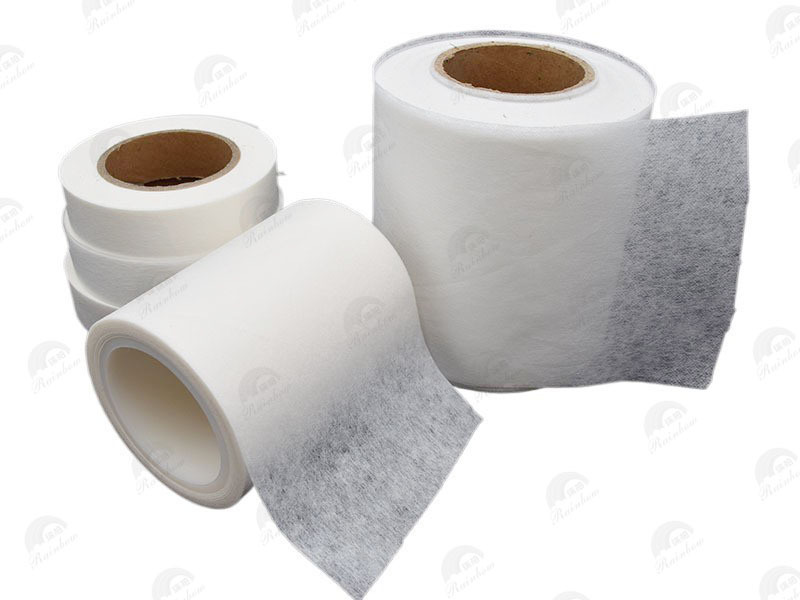
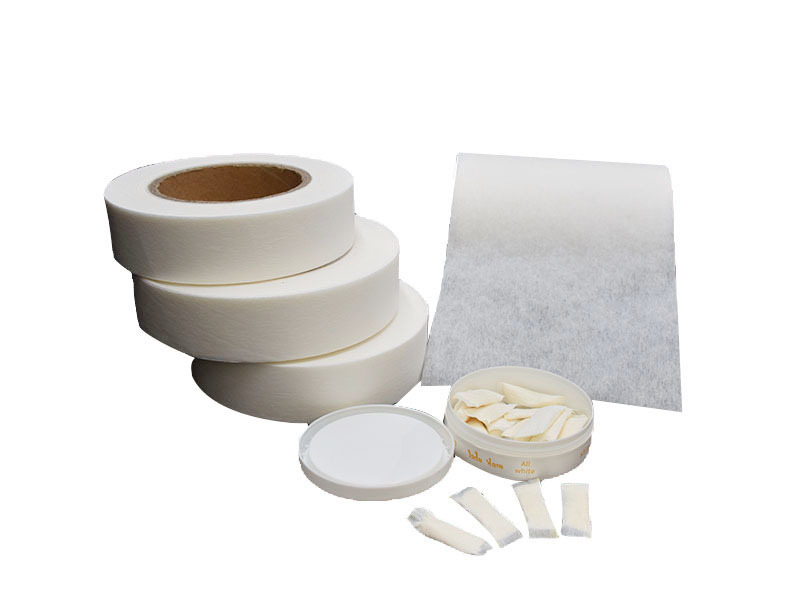
Adhesive interlining nonwoven fabrics have emerged as a pivotal component in the textile industry, particularly in garment manufacturing. These materials are designed to provide support and structure to various fabrics, enhancing their durability and overall appearance. Understanding the unique characteristics and applications of adhesive interlining nonwoven can significantly benefit professionals in the textile sector.
One of the primary advantages of adhesive interlining nonwoven is its ability to bond seamlessly with the main fabric. This is achieved through a variety of adhesive technologies, which can be heat-activated, pressure-sensitive, or water-soluble. The choice of adhesive often depends on the specific application and fabric type. For instance, heat-activated adhesives are commonly used in fusible interlinings, providing a strong bond that maintains fabric integrity during washing and wear. On the other hand, pressure-sensitive adhesives offer versatility, allowing for easy application without the need for heat.
In terms of functionality, adhesive interlining nonwoven plays a crucial role in improving the drape, stability, and shape retention of garments. This is particularly important for tailored clothing, where precision and structure are vital. By integrating these interlinings, manufacturers can achieve a higher quality finish, ensuring that garments maintain their intended shape and fit over time.
Moreover, the sustainability aspect of adhesive interlining nonwoven is gaining attention in the textile industry. With increasing consumer demand for eco-friendly products, many manufacturers are exploring biodegradable or recycled nonwoven options. The development of such sustainable materials not only reduces environmental impact but also aligns with the evolving market trends favoring responsible production practices.
Furthermore, advancements in nonwoven technology have led to innovations in texture and feel. Modern adhesive interlining nonwoven fabrics can mimic the soft touch of natural fibers while maintaining the functional benefits of synthetic materials. This versatility allows designers to expand their creative horizons, incorporating these interlinings into a wider range of applications, from formal wear to casual garments.
In conclusion, adhesive interlining nonwoven is an indispensable element in the textile industry, offering a myriad of benefits that enhance garment functionality and sustainability. As professionals continue to innovate and adapt to market demands, a deeper understanding of these materials will foster improved product development and consumer satisfaction. Embracing the potential of adhesive interlining nonwoven can ultimately lead to a more competitive edge in the ever-evolving textile landscape.
One of the primary advantages of adhesive interlining nonwoven is its ability to bond seamlessly with the main fabric. This is achieved through a variety of adhesive technologies, which can be heat-activated, pressure-sensitive, or water-soluble. The choice of adhesive often depends on the specific application and fabric type. For instance, heat-activated adhesives are commonly used in fusible interlinings, providing a strong bond that maintains fabric integrity during washing and wear. On the other hand, pressure-sensitive adhesives offer versatility, allowing for easy application without the need for heat.
In terms of functionality, adhesive interlining nonwoven plays a crucial role in improving the drape, stability, and shape retention of garments. This is particularly important for tailored clothing, where precision and structure are vital. By integrating these interlinings, manufacturers can achieve a higher quality finish, ensuring that garments maintain their intended shape and fit over time.
Moreover, the sustainability aspect of adhesive interlining nonwoven is gaining attention in the textile industry. With increasing consumer demand for eco-friendly products, many manufacturers are exploring biodegradable or recycled nonwoven options. The development of such sustainable materials not only reduces environmental impact but also aligns with the evolving market trends favoring responsible production practices.
Furthermore, advancements in nonwoven technology have led to innovations in texture and feel. Modern adhesive interlining nonwoven fabrics can mimic the soft touch of natural fibers while maintaining the functional benefits of synthetic materials. This versatility allows designers to expand their creative horizons, incorporating these interlinings into a wider range of applications, from formal wear to casual garments.
In conclusion, adhesive interlining nonwoven is an indispensable element in the textile industry, offering a myriad of benefits that enhance garment functionality and sustainability. As professionals continue to innovate and adapt to market demands, a deeper understanding of these materials will foster improved product development and consumer satisfaction. Embracing the potential of adhesive interlining nonwoven can ultimately lead to a more competitive edge in the ever-evolving textile landscape.
Adhesive Interlining Nonwoven
Latest News


Nantong Rainbow Nonwoven Tech Co.,Ltd.
Telephone:+86-13587673537 +86-15851257231
E-mail:chrislc717@163.com christy@ntrainbow.com
sales1@ntrainbow.com
Address: (No. 88, Sanzong South Road) Group 42, Xichansi Village, Xiting Town, Tongzhou District, Nantong City, Jiangsu Province

Copyright©2024 Nantong Rainbow Technology Co., Ltd. | Powered by www.300.cn
Copyright©2024 Nantong Rainbow Technology Co., Ltd.
Powered by www.300.cn