
Understanding Adhesive Interlining Nonwoven: Innovations in Textile Technology
Release time:
2025-11-29
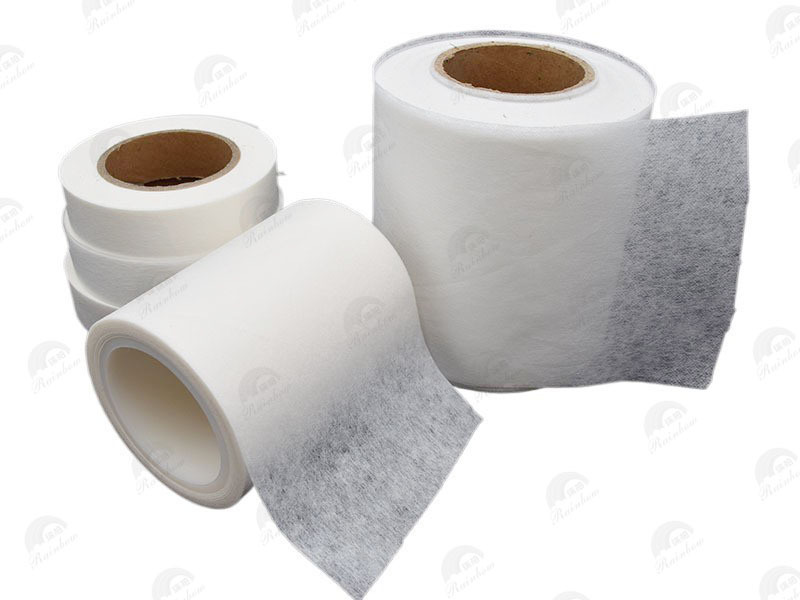
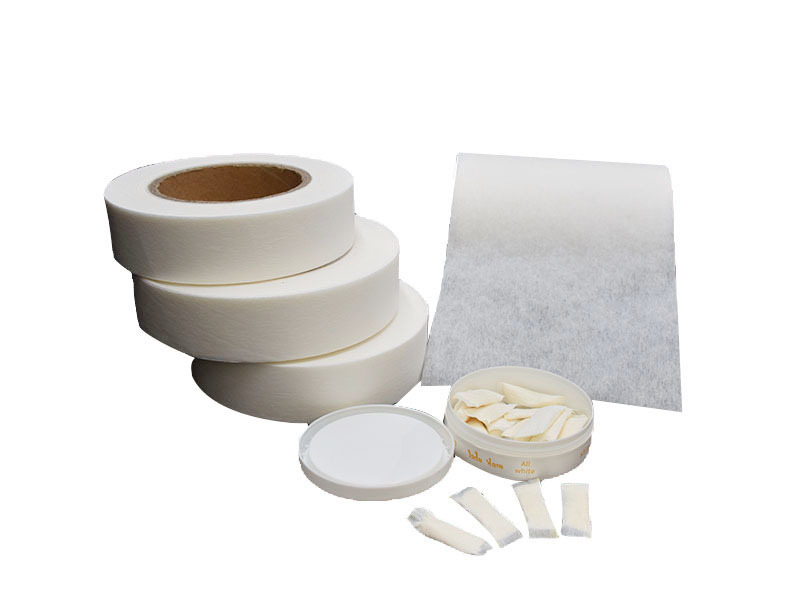
Adhesive interlining nonwoven fabrics are increasingly becoming essential components in the textile industry, particularly in garment manufacturing. These materials are engineered to provide stability, support, and flexibility in various applications, making them a popular choice for designers and manufacturers alike.
One of the defining features of adhesive interlining nonwoven is its lightweight structure, which allows for easy application without adding significant bulk to the final product. This characteristic is particularly valuable in the production of garments where a clean, tailored fit is paramount. The nonwoven fabrication process involves bonding fibers together through mechanical, thermal, or chemical means rather than weaving, resulting in a material that is both strong and resilient.
In terms of functionality, adhesive interlining nonwoven fabrics serve multiple purposes. They can improve the drape of fabrics, enhance the shape retention of garments, and provide necessary stiffness where required. This versatility makes them suitable for various clothing types, from structured outerwear to delicate blouses. Additionally, the adhesive properties of these interlinings allow for straightforward application to a range of fabric types, ensuring a secure bond that enhances the overall durability of the garment.
Another significant advantage of adhesive interlining nonwoven is its ability to contribute to the overall comfort of the final product. By choosing the appropriate type of interlining, manufacturers can mitigate issues such as wrinkling and stretching, which are common in textiles. Moreover, advancements in fabric technology have led to the development of interlinings that are breathable and moisture-wicking, ensuring that wearers experience enhanced comfort throughout the day.
Sustainability is a growing concern within the textile industry, and adhesive interlining nonwoven materials are evolving to meet these demands. Innovations in eco-friendly fibers and adhesives are paving the way for more sustainable production methods. Manufacturers are increasingly focusing on sourcing raw materials responsibly and reducing waste during the production process.
In conclusion, adhesive interlining nonwoven fabrics represent a significant advancement in the textile industry, offering a combination of functionality, comfort, and sustainability. As the demand for high-quality, versatile garments continues to rise, understanding the properties and applications of these materials will become increasingly important for professionals in the field. By leveraging the benefits of adhesive interlining nonwoven, manufacturers can enhance their product offerings, ensuring they remain competitive in a rapidly evolving market.
One of the defining features of adhesive interlining nonwoven is its lightweight structure, which allows for easy application without adding significant bulk to the final product. This characteristic is particularly valuable in the production of garments where a clean, tailored fit is paramount. The nonwoven fabrication process involves bonding fibers together through mechanical, thermal, or chemical means rather than weaving, resulting in a material that is both strong and resilient.
In terms of functionality, adhesive interlining nonwoven fabrics serve multiple purposes. They can improve the drape of fabrics, enhance the shape retention of garments, and provide necessary stiffness where required. This versatility makes them suitable for various clothing types, from structured outerwear to delicate blouses. Additionally, the adhesive properties of these interlinings allow for straightforward application to a range of fabric types, ensuring a secure bond that enhances the overall durability of the garment.
Another significant advantage of adhesive interlining nonwoven is its ability to contribute to the overall comfort of the final product. By choosing the appropriate type of interlining, manufacturers can mitigate issues such as wrinkling and stretching, which are common in textiles. Moreover, advancements in fabric technology have led to the development of interlinings that are breathable and moisture-wicking, ensuring that wearers experience enhanced comfort throughout the day.
Sustainability is a growing concern within the textile industry, and adhesive interlining nonwoven materials are evolving to meet these demands. Innovations in eco-friendly fibers and adhesives are paving the way for more sustainable production methods. Manufacturers are increasingly focusing on sourcing raw materials responsibly and reducing waste during the production process.
In conclusion, adhesive interlining nonwoven fabrics represent a significant advancement in the textile industry, offering a combination of functionality, comfort, and sustainability. As the demand for high-quality, versatile garments continues to rise, understanding the properties and applications of these materials will become increasingly important for professionals in the field. By leveraging the benefits of adhesive interlining nonwoven, manufacturers can enhance their product offerings, ensuring they remain competitive in a rapidly evolving market.
Adhesive Interlining Nonwoven
Latest News


Nantong Rainbow Nonwoven Tech Co.,Ltd.
Telephone:+86-13587673537 +86-15851257231
E-mail:chrislc717@163.com christy@ntrainbow.com
sales1@ntrainbow.com
Address: (No. 88, Sanzong South Road) Group 42, Xichansi Village, Xiting Town, Tongzhou District, Nantong City, Jiangsu Province

Copyright©2024 Nantong Rainbow Technology Co., Ltd. | Powered by www.300.cn
Copyright©2024 Nantong Rainbow Technology Co., Ltd.
Powered by www.300.cn