
Mastering the Art of Applying Fusible Scatter Coating to Nonwoven Interlining: A Comprehensive Guide
Release time:
2025-11-27
Mastering the Art of Applying Fusible Scatter Coating to Nonwoven Interlining: A Comprehensive Guide
Table of Contents
- 1. Introduction to Fusible Scatter Coating
- 2. Understanding Nonwoven Interlining
- 3. Importance of Fusible Scatter Coating
- 4. Materials Required for Fusible Scatter Coating
- 5. Preparation Process for Application
- 6. Step-by-Step Application of Fusible Scatter Coating
- 7. Finishing Techniques and Quality Control
- 8. Common Challenges and Solutions
- 9. Conclusion
- 10. FAQs
1. Introduction to Fusible Scatter Coating
The application of fusible scatter coating to nonwoven interlining represents a pivotal advancement in the textile industry. This technique enhances the fabric’s strength, stability, and versatility, making it a preferred choice for various applications, including garment construction and home textiles. Understanding the nuances of this process is essential for achieving optimal results.
2. Understanding Nonwoven Interlining
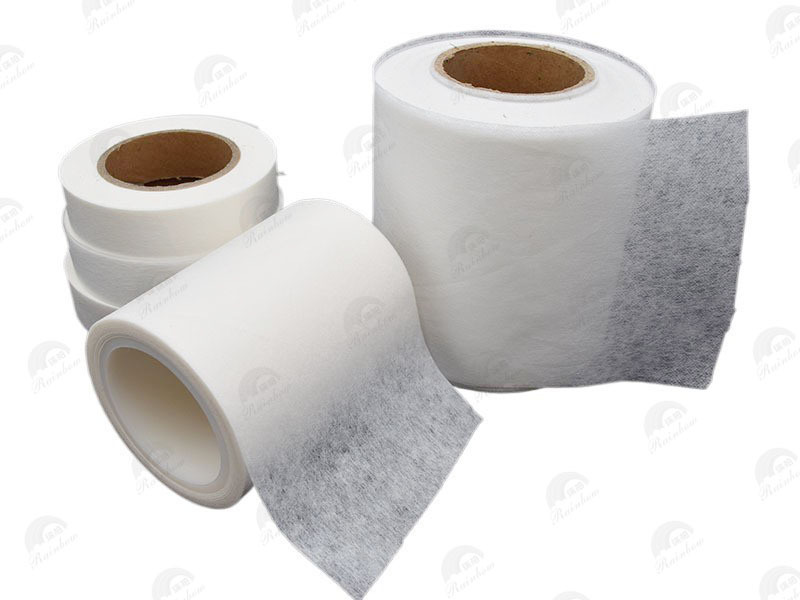
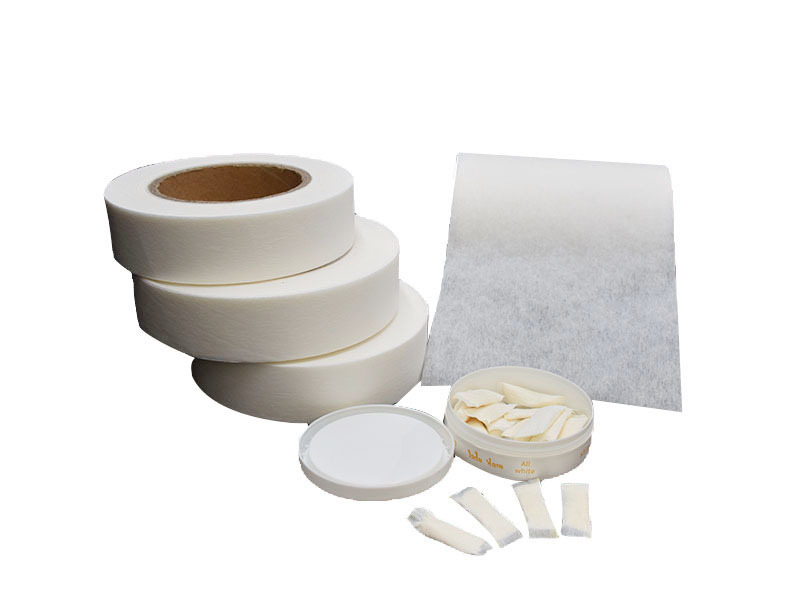
Nonwoven interlining is created through the bonding of fiber materials, resulting in a fabric that does not require weaving or knitting. This type of fabric offers several benefits, including lightweight characteristics, ease of handling, and superior drapability. It is commonly used in garments, accessories, and home furnishings, serving as a crucial component in many textile projects.
Characteristics of Nonwoven Interlining
Nonwoven interlining is characterized by its unique properties:
- **Lightweight**: Easy to manipulate and use, reducing the overall weight of the finished product.
- **Versatility**: Suitable for a wide range of applications in fashion and home textiles.
- **Cost-effective**: Generally less expensive than woven interlinings, providing an economical choice without sacrificing quality.
3. Importance of Fusible Scatter Coating
Fusible scatter coating involves applying a thermoplastic adhesive to the surface of the nonwoven interlining. This process is vital for several reasons:
Enhanced Adhesion
The primary purpose of fusible scatter coating is to create a strong bond between the interlining and the outer fabric. This results in improved durability and a smoother finish.
Improved Structure
Fusible scatter coating helps maintain the shape of the garment, providing support without compromising flexibility. This is especially important in tailored garments where structure is key.
Application Versatility
This technique can be applied to various fabrics, making it suitable for a broad spectrum of textile applications. Whether working with lightweight fabrics or heavier materials, fusible scatter coating adapts effectively.
4. Materials Required for Fusible Scatter Coating
Before embarking on the fusible scatter coating process, ensure you have the following materials at hand:
- **Nonwoven Interlining**: Select the appropriate type based on your project needs.
- **Thermoplastic Adhesive**: Choose a high-quality adhesive designed for fusible applications.
- **Roller or Spray Application Tool**: For even distribution of the adhesive.
- **Heat Source**: A heat press or an iron to activate the adhesive.
- **Protective Sheet**: A teflon or silicone sheet to protect the fabric during the heat application.
5. Preparation Process for Application
Preparing for the application of fusible scatter coating is crucial for achieving optimal results. Follow these steps:
Step 1: Fabric Preparation
Ensure that the nonwoven interlining is clean and free from any contaminants. Pre-washing the fabric may help eliminate any dirt or oils that could hinder adhesion.
Step 2: Adhesive Selection
Choose a thermoplastic adhesive that suits the characteristics of the nonwoven interlining. Consider factors such as the weight of the fabric and the intended use.
Step 3: Testing
Before applying the adhesive on the entire piece, conduct a small test on a scrap piece of interlining. Check for compatibility and adhesion quality to avoid issues during the full application.
6. Step-by-Step Application of Fusible Scatter Coating
Now that you are prepared, let’s dive into the detailed process of applying fusible scatter coating to nonwoven interlining.
Step 1: Setting Up the Workspace
Organize your workspace to ensure a smooth application process. Lay out all your materials and tools, making them easily accessible.
Step 2: Applying the Adhesive
Using a roller or spray application tool, evenly distribute the thermoplastic adhesive onto the surface of the nonwoven interlining. Ensure consistent coverage without oversaturating.
Step 3: Activating the Adhesive
Once the adhesive is applied, place the nonwoven interlining between two protective sheets. Use a heat press or a hot iron set to the appropriate temperature for the adhesive being used. Apply pressure for the recommended time to activate the adhesive effectively.
Step 4: Cooling Down
After the heat application, allow the interlining to cool down completely. This step is essential for ensuring that the adhesive sets properly, creating a strong bond.
Step 5: Trimming and Finishing
Once cooled, trim any excess interlining if necessary. Inspect the edges to ensure a clean finish. This is also the time to check for any bubbles or imperfections which can be corrected before final assembly.
7. Finishing Techniques and Quality Control
After applying the fusible scatter coating, focus on finishing techniques that enhance the quality of the final product.
Quality Control Measures
Perform thorough inspections to ensure that the fusible scatter coating has adhered correctly. Look for signs of bubbling or peeling, which may indicate inadequate application.
Pressing for a Smooth Finish
Use a steam iron to press the fabric gently. This step not only helps smoothen the fabric but also reinforces the bond created by the adhesive.
8. Common Challenges and Solutions
While applying fusible scatter coating is generally straightforward, challenges may arise. Below are common issues and their solutions:
Issue 1: Inconsistent Adhesion
**Solution**: Ensure even application of the adhesive and check your heat settings. Testing on scraps before the main application can help mitigate this issue.
Issue 2: Bubbles in the Fabric
**Solution**: If bubbles appear during the heat application, use a small pin to release the air, then reapply heat and pressure.
Issue 3: Adhesive Yellowing
**Solution**: Select high-quality, heat-resistant adhesives and avoid excessive heat exposure during application.
9. Conclusion
The process of applying fusible scatter coating to nonwoven interlining is a vital technique in textile manufacturing. By understanding the materials, preparation, and application methods, textile manufacturers and hobbyists can achieve superior results. This comprehensive guide serves as a roadmap for anyone looking to master this process, ensuring your projects not only meet but exceed expectations.
10. FAQs
1. What is fusible scatter coating?
Fusible scatter coating involves applying a thermoplastic adhesive to nonwoven interlining to enhance adhesion and improve the structural integrity of fabrics.
2. Can I use fusible scatter coating on all types of fabrics?
While fusible scatter coating suits a wide range of fabrics, it’s essential to select the right adhesive compatible with the specific fabric characteristics.
3. How do I know if my adhesive is suitable for fusible applications?
Check the manufacturer’s specifications for the adhesive to ensure it is designed for fusible applications and compatible with the nonwoven interlining you are using.
4. What temperatures should I use for heat application?
The ideal temperature will vary based on the adhesive used. Always refer to the manufacturer's guidelines for specific temperature recommendations.
5. How can I prevent bubbling during application?
To prevent bubbles, ensure even adhesive application and avoid excessive heat. If bubbles do form, gently puncture them to release air and reapply heat.
By following this comprehensive guide, you can effectively apply fusible scatter coating to nonwoven interlining, improving the quality and durability of your textile projects.
fusible scatter coating Nonwoven interlining
Latest News


Nantong Rainbow Nonwoven Tech Co.,Ltd.
Telephone:+86-13587673537 +86-15851257231
E-mail:chrislc717@163.com christy@ntrainbow.com
sales1@ntrainbow.com
Address: (No. 88, Sanzong South Road) Group 42, Xichansi Village, Xiting Town, Tongzhou District, Nantong City, Jiangsu Province

Copyright©2024 Nantong Rainbow Technology Co., Ltd. | Powered by www.300.cn
Copyright©2024 Nantong Rainbow Technology Co., Ltd.
Powered by www.300.cn