
Polyester Interlining Explained: A Comprehensive Guide for Tailors
Release time:
2025-11-23
Polyester Interlining Explained: A Comprehensive Guide for Tailors
In the world of tailoring, understanding the materials you work with is crucial for achieving the best results. One such essential material is polyester interlining, a versatile and widely-used component in garment construction. This article serves as a comprehensive guide, detailing everything you need to know about polyester interlining, from its types and benefits to its applications and care. Let’s dive deep into this vital topic.
Table of Contents
- 1. What is Polyester Interlining?
- 2. Types of Polyester Interlining
- 3. Benefits of Using Polyester Interlining
- 4. How to Choose the Right Interlining
- 5. Application of Polyester Interlining in Tailoring
- 6. Caring for Polyester Interlining
- 7. Frequently Asked Questions
- 8. Conclusion
1. What is Polyester Interlining?
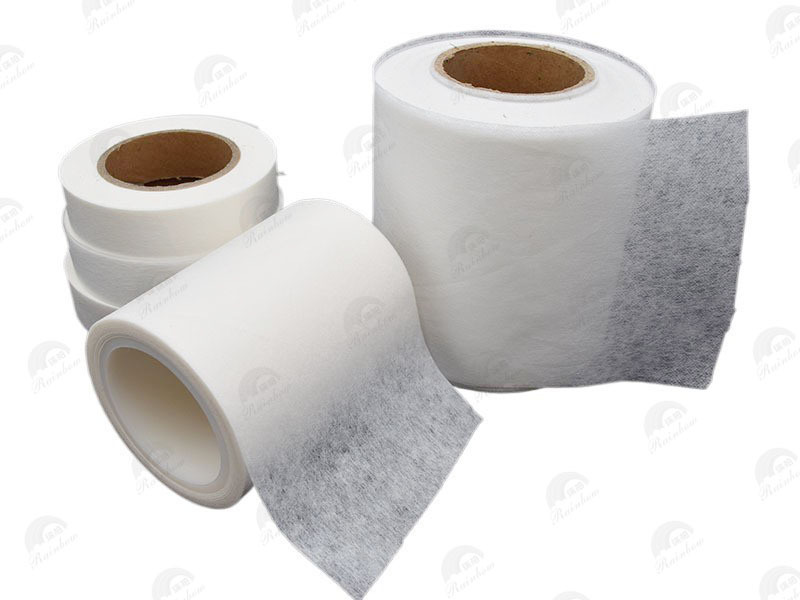
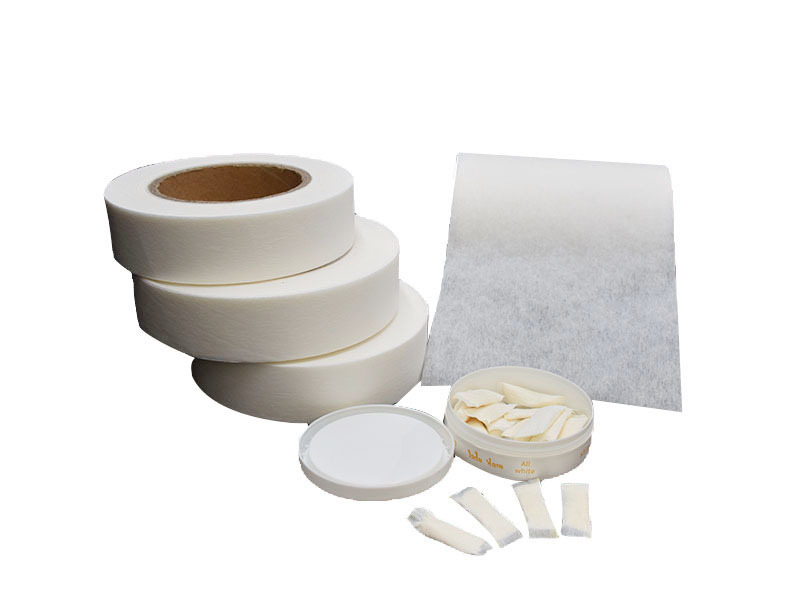
Polyester interlining is a non-woven fabric used in garment construction to add structure and support to various types of clothing. This lightweight material is typically placed between the outer fabric and the lining, serving a crucial role in enhancing the garment's overall appearance and fit. Polyester interlining is favored for its durability, versatility, and ease of care, making it a preferred choice for both professional tailors and DIY enthusiasts.
2. Types of Polyester Interlining
Understanding the different types of polyester interlining is essential for making the right choice for your sewing projects. Here, we outline the main categories:
2.1 Fusible Interlining
Fusible interlining is adhesive-coated on one side, allowing it to bond directly to the outer fabric when heat is applied. This type is widely used for its simplicity and effectiveness in providing structure without the need for additional stitching. It’s ideal for collars, cuffs, and waistbands.
2.2 Sew-in Interlining
Sew-in interlining lacks adhesive and is secured in place through stitching. This type offers more control over the fabric layers and is often used in tailored garments where precision is paramount. Sew-in interlining is recommended for heavier fabrics and structured designs.
2.3 Lightweight vs. Heavyweight Interlining
Polyester interlining comes in various weights, allowing tailors to select the appropriate type based on the garment's needs. Lightweight interlining is perfect for delicate fabrics, while heavyweight interlining provides substantial support for structured pieces.
3. Benefits of Using Polyester Interlining
Incorporating polyester interlining into your sewing projects comes with numerous advantages:
3.1 Enhanced Structure and Shape
Polyester interlining reinforces the fabric, helping garments maintain their intended silhouette. This added support is crucial for tailored clothing, ensuring that garments fit well and retain their shape over time.
3.2 Improved Durability
This type of interlining is known for its durability, allowing garments to withstand wear and tear. Polyester is resistant to wrinkles, fraying, and fading, ensuring that your clothing maintains its quality even after multiple washes.
3.3 Versatility in Applications
Polyester interlining is suitable for a wide range of fabrics, making it a versatile choice for different types of garments, from casual wear to formal attire. Its adaptability allows tailors to use it across various projects, enhancing their creativity.
3.4 Easy Care
Polyester interlining is machine washable and quick-drying, making it a convenient option for busy tailors. Its low-maintenance nature means that garments can be easily cared for, ensuring longevity and ease of use.
4. How to Choose the Right Interlining
Selecting the appropriate polyester interlining depends on several factors. Here are some tips to guide your decision:
4.1 Fabric Compatibility
Consider the fabric you are working with. Lighter fabrics benefit from lightweight interlining, while heavier fabrics require more substantial support. Ensure that the interlining complements the outer fabric’s weight and drape.
4.2 Intended Use of the Garment
Think about the garment’s purpose. For structured pieces like blazers and tailored dresses, opt for fusible or heavyweight sew-in interlining. For softer garments, lightweight interlining may be more suitable.
4.3 Ease of Application
If you are a beginner, fusible interlining might be the best choice due to its straightforward application process. Experienced tailors might prefer sew-in options for greater control and precision.
5. Application of Polyester Interlining in Tailoring
Polyester interlining can be applied in various ways, depending on the garment and the desired effect. Here are some common applications:
5.1 Collars and Cuffs
Interlining is commonly used in collars and cuffs to provide structure and prevent sagging. Fusible interlining is often preferred for these areas due to its ease of application.
5.2 Waistbands and Hems
Adding interlining to waistbands and hems enhances stability and ensures that these areas maintain their shape, especially in fitted garments.
5.3 Jacket Construction
When constructing jackets, interlining plays a vital role in achieving the desired silhouette. It is typically used in lapels, fronts, and back panels to provide structure and support.
6. Caring for Polyester Interlining
Proper care extends the lifespan of garments containing polyester interlining. Here are some tips for maintaining your creations:
6.1 Washing
Most polyester interlinings are machine washable. Use a gentle cycle and cold water to prevent shrinking and maintain the integrity of the fabric. Check the care label for specific instructions.
6.2 Ironing
When ironing garments with polyester interlining, use a low-temperature setting to avoid damaging the interlining. Always place a pressing cloth between the iron and the fabric to protect it.
6.3 Storage
Store garments made with polyester interlining in a cool, dry place, avoiding direct sunlight to prevent fading and damage. Hanging garments helps maintain their shape.
7. Frequently Asked Questions
7.1 What is the difference between fusible and sew-in interlining?
Fusible interlining has an adhesive side that bonds to the fabric when heat is applied, while sew-in interlining is attached through stitching.
7.2 Can I use polyester interlining for any type of fabric?
Polyester interlining is compatible with a wide range of fabrics, but it’s essential to consider the fabric’s weight and drape for optimal results.
7.3 How do I know which weight of interlining to choose?
Choose lightweight interlining for delicate fabrics and heavyweight interlining for structured garments. Consider the intended use of the garment as well.
7.4 Is polyester interlining machine washable?
Yes, most polyester interlinings are machine washable. Always check the care label for specific washing instructions.
7.5 Can I use polyester interlining for home décor projects?
Absolutely! Polyester interlining can also be used in home décor projects for items like curtains, upholstery, and other fabric-based applications that require added structure.
8. Conclusion
Polyester interlining is a vital component in the world of tailoring, offering structure, support, and versatility for various garment types. By understanding the different types, benefits, and applications of this material, tailors can make informed choices that enhance their sewing projects. Whether you are crafting a tailored suit or a casual dress, incorporating the right interlining will undoubtedly elevate the quality of your work. With this comprehensive guide, we hope you feel empowered to explore the potential of polyester interlining and create stunning garments that stand the test of time.
polyester interlining for garment
Latest News


Nantong Rainbow Nonwoven Tech Co.,Ltd.
Telephone:+86-13587673537 +86-15851257231
E-mail:chrislc717@163.com christy@ntrainbow.com
sales1@ntrainbow.com
Address: (No. 88, Sanzong South Road) Group 42, Xichansi Village, Xiting Town, Tongzhou District, Nantong City, Jiangsu Province

Copyright©2024 Nantong Rainbow Technology Co., Ltd. | Powered by www.300.cn
Copyright©2024 Nantong Rainbow Technology Co., Ltd.
Powered by www.300.cn