
Understanding Chemical Bonded Nonwoven Interlining Fabric: A Comprehensive Guide
Release time:
2025-11-21
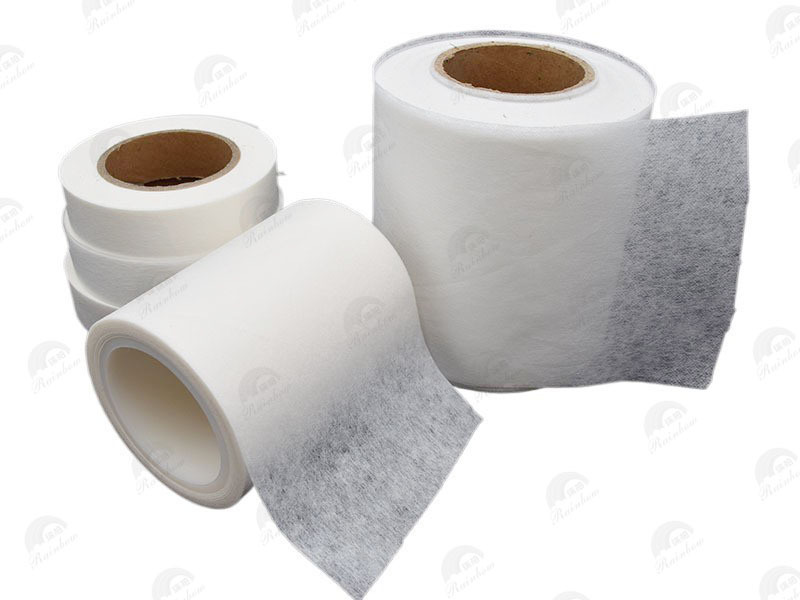
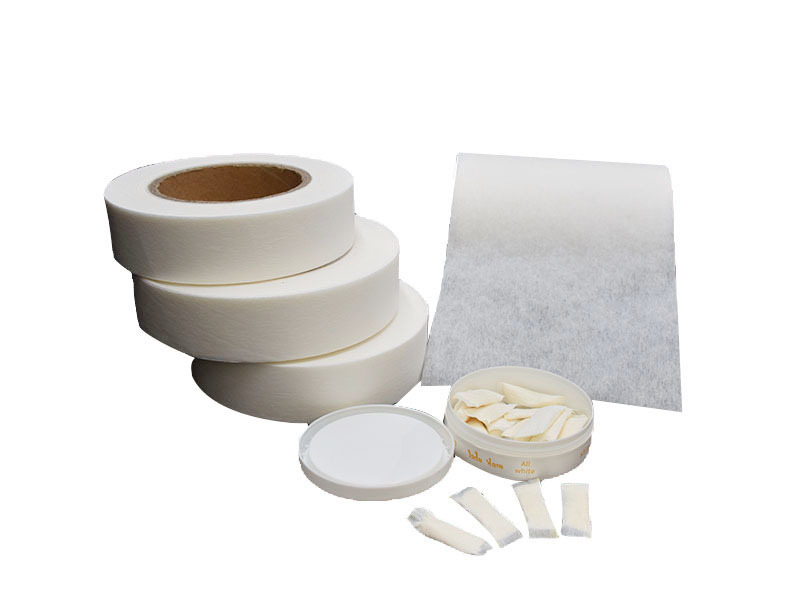
Chemical bonded nonwoven interlining fabric is a key component in the realm of textiles, particularly in garment manufacturing. This fabric type is engineered through a chemical bonding process, which distinguishes it from traditional woven and knitted materials. Understanding its properties and applications can significantly enhance your product offerings and improve garment quality.
The production of chemical bonded nonwoven interlining fabric involves the use of synthetic fibers, which are bonded together using various chemical agents. This results in a fabric that is not only durable but also lightweight, making it an ideal choice for interfacing in garments. The chemical bonding process provides stability and strength, ensuring that the interlining maintains its shape and does not warp over time.
One of the primary advantages of using chemical bonded nonwoven interlining is its versatility. It can be utilized in a wide range of applications, including shirts, blouses, coats, and tailored garments. The fabric acts as a supportive layer that enhances the structure of the outer fabric, allowing for clean lines and professional finishes. Additionally, this type of interlining is often preferred for its smooth feel, which minimizes bulk and ensures comfort for the wearer.
Another significant benefit is the ease of handling and application. Chemical bonded nonwoven interlining can be easily cut and shaped to fit various garment patterns, and it can be fused to outer fabrics using a heat press or iron. This facilitates efficient production processes in garment manufacturing, as it reduces the time required for assembly and finishing.
Moreover, this fabric is available in various weights and thicknesses, allowing designers to choose the appropriate type based on the specific requirements of their projects. Lighter weights are ideal for delicate fabrics, while heavier options provide additional support for structured designs.
The durability of chemical bonded nonwoven interlining also means that garments retain their quality even after numerous washes, a crucial factor in today's fast-paced fashion environment. Furthermore, many manufacturers produce this fabric using eco-friendly processes and materials, aligning with sustainability trends in the textile industry.
In conclusion, chemical bonded nonwoven interlining fabric is an essential material in modern garment construction. Its unique properties, including durability, versatility, and ease of application, make it a preferred choice for designers and manufacturers alike. As you explore this fabric type further, consider how it can enhance your products and meet the evolving needs of consumers in the textile market.
The production of chemical bonded nonwoven interlining fabric involves the use of synthetic fibers, which are bonded together using various chemical agents. This results in a fabric that is not only durable but also lightweight, making it an ideal choice for interfacing in garments. The chemical bonding process provides stability and strength, ensuring that the interlining maintains its shape and does not warp over time.
One of the primary advantages of using chemical bonded nonwoven interlining is its versatility. It can be utilized in a wide range of applications, including shirts, blouses, coats, and tailored garments. The fabric acts as a supportive layer that enhances the structure of the outer fabric, allowing for clean lines and professional finishes. Additionally, this type of interlining is often preferred for its smooth feel, which minimizes bulk and ensures comfort for the wearer.
Another significant benefit is the ease of handling and application. Chemical bonded nonwoven interlining can be easily cut and shaped to fit various garment patterns, and it can be fused to outer fabrics using a heat press or iron. This facilitates efficient production processes in garment manufacturing, as it reduces the time required for assembly and finishing.
Moreover, this fabric is available in various weights and thicknesses, allowing designers to choose the appropriate type based on the specific requirements of their projects. Lighter weights are ideal for delicate fabrics, while heavier options provide additional support for structured designs.
The durability of chemical bonded nonwoven interlining also means that garments retain their quality even after numerous washes, a crucial factor in today's fast-paced fashion environment. Furthermore, many manufacturers produce this fabric using eco-friendly processes and materials, aligning with sustainability trends in the textile industry.
In conclusion, chemical bonded nonwoven interlining fabric is an essential material in modern garment construction. Its unique properties, including durability, versatility, and ease of application, make it a preferred choice for designers and manufacturers alike. As you explore this fabric type further, consider how it can enhance your products and meet the evolving needs of consumers in the textile market.
chemical bonded nonwoven interlining fabric
Latest News


Nantong Rainbow Nonwoven Tech Co.,Ltd.
Telephone:+86-13587673537 +86-15851257231
E-mail:chrislc717@163.com christy@ntrainbow.com
sales1@ntrainbow.com
Address: (No. 88, Sanzong South Road) Group 42, Xichansi Village, Xiting Town, Tongzhou District, Nantong City, Jiangsu Province

Copyright©2024 Nantong Rainbow Technology Co., Ltd. | Powered by www.300.cn
Copyright©2024 Nantong Rainbow Technology Co., Ltd.
Powered by www.300.cn