
The Role of Polyester Interlining in Enhancing Garment Durability
Release time:
2025-11-07
The Role of Polyester Interlining in Enhancing Garment Durability
Table of Contents
1. Introduction to Polyester Interlining
2. Understanding the Importance of Garment Durability
3. What is Polyester Interlining?
3.1 Types of Polyester Interlining
3.2 Properties of Polyester Interlining
4. How Polyester Interlining Enhances Garment Durability
4.1 Strengthening Fabric Structure
4.2 Reducing Wear and Tear
4.3 Providing Shape Retention
5. Applications of Polyester Interlining in Garment Manufacturing
5.1 Formal Wear
5.2 Casual Wear
5.3 Sportswear
6. The Environmental Perspective of Using Polyester Interlining
7. Frequently Asked Questions (FAQs)
8. Conclusion
1. Introduction to Polyester Interlining
In the ever-evolving world of fashion, durability stands as a cornerstone of quality. The fabric used in garments plays a significant role in determining how long a piece of clothing can withstand wear and tear. Among various materials, **polyester interlining** has emerged as a pivotal component in enhancing garment durability. This article delves into the multifaceted role of polyester interlining, highlighting its properties, benefits, and applications in the garment industry.
2. Understanding the Importance of Garment Durability
Garment durability refers to the ability of clothing to maintain its appearance and functionality over time. In an age where consumers increasingly seek value for money, the importance of durable clothing cannot be overstated. Durable garments not only last longer but also provide better performance, ultimately leading to increased customer satisfaction. This demand for durability drives manufacturers to innovate and incorporate materials like polyester interlining into their products.
3. What is Polyester Interlining?
Polyester interlining is a type of fabric used in garment construction to provide additional support, structure, and durability. It is typically positioned between the outer fabric and the lining, acting as a reinforcing layer. Made from polyester fibers, this interlining is versatile and can be applied to various styles of clothing.
3.1 Types of Polyester Interlining
There are several types of polyester interlining, each tailored for specific garment applications:
- **Fusible Interlining**: This type has an adhesive coating that allows it to bond directly to the fabric when heat is applied. It’s widely used in tailored garments.
- **Sew-in Interlining**: Unlike fusible interlining, this is sewn into the fabric, offering flexibility and is suitable for delicate materials.
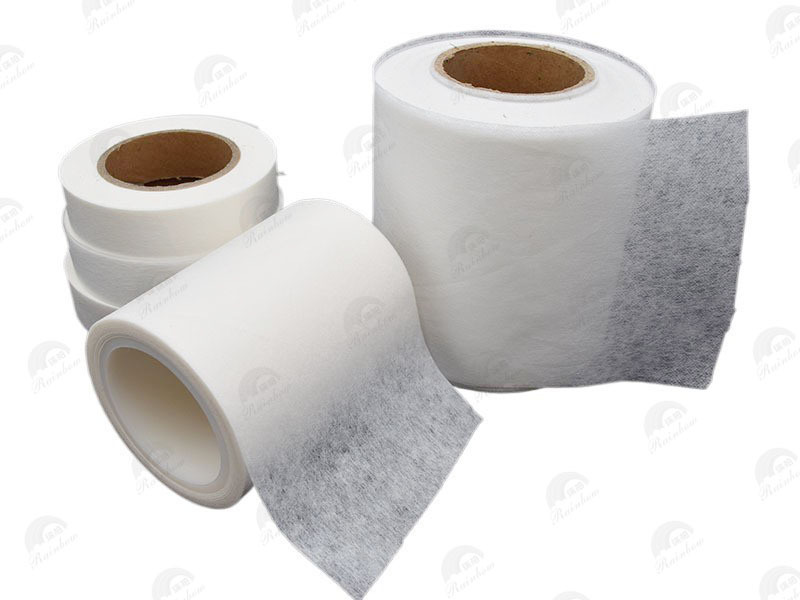
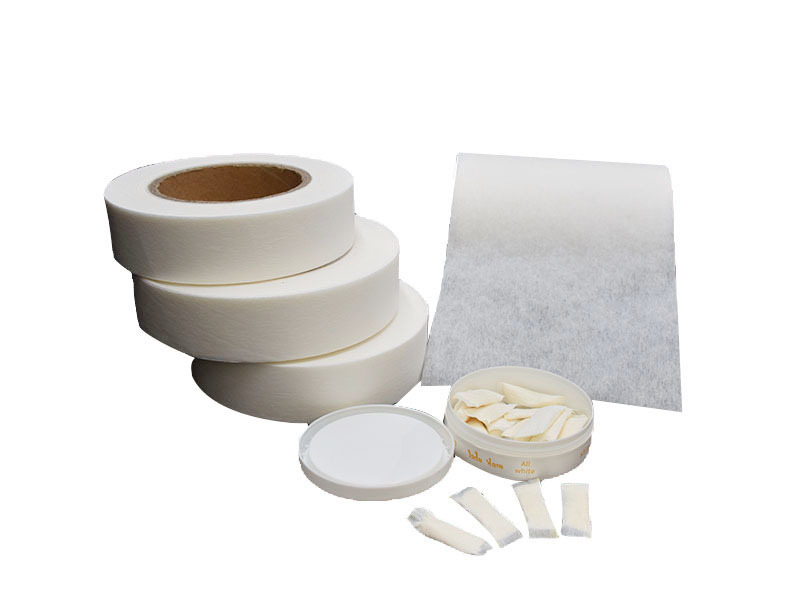
- **Non-woven Interlining**: This is made from loose fibers pressed together, providing lightweight structure and is often used in lightweight garments.
3.2 Properties of Polyester Interlining
Polyester interlining boasts several beneficial properties:
- **Strength and Durability**: Its robust nature enhances the overall durability of garments.
- **Resistance to Wrinkles**: Polyester interlining helps garments maintain a crisp appearance.
- **Breathability**: Despite its strength, polyester interlining allows for airflow, keeping the wearer comfortable.
- **Color Retention**: Polyester retains dye well, ensuring that garments maintain their vibrant colors over time.
4. How Polyester Interlining Enhances Garment Durability
Polyester interlining serves as a crucial factor in reinforcing the structure of garments. Its benefits extend beyond mere aesthetics, significantly enhancing durability.
4.1 Strengthening Fabric Structure
The incorporation of polyester interlining strengthens the fabric structure, making garments more resilient to stress and abrasion. This is particularly beneficial for areas that experience more wear, such as collars and cuffs.
4.2 Reducing Wear and Tear
Polyester interlining acts as a protective layer, reducing wear and tear on the outer fabric. This layer absorbs some of the friction and stress that garments are subjected to during everyday wear, effectively prolonging their lifespan.
4.3 Providing Shape Retention
One of the standout features of polyester interlining is its ability to retain the shape of garments. It helps prevent sagging or distortion, ensuring that clothing maintains its intended silhouette and fit over time.
5. Applications of Polyester Interlining in Garment Manufacturing
Polyester interlining is widely used across different segments of garment manufacturing, catering to various styles and functionalities.
5.1 Formal Wear
In formal wear, such as suits and blazers, polyester interlining is essential for maintaining sharp lines and a structured appearance. It allows for a tailored look that stands the test of time, making formal garments both stylish and durable.
5.2 Casual Wear
Casual wear also benefits from polyester interlining. It adds comfort and structure to garments like shirts and dresses, ensuring they hold their shape without compromising on comfort.
5.3 Sportswear
In sportswear, durability is paramount. Polyester interlining enhances performance by providing support while remaining lightweight and breathable, crucial for active wearers.
6. The Environmental Perspective of Using Polyester Interlining
As sustainability becomes increasingly important in the textile industry, polyester interlining offers several environmental advantages. Its durability contributes to longer-lasting garments, reducing the need for frequent replacements and minimizing waste. Additionally, advancements in recycling technology mean that polyester can be repurposed, aligning with eco-friendly practices.
7. Frequently Asked Questions (FAQs)
**Q1: What is the primary function of polyester interlining?**
A1: The primary function of polyester interlining is to provide structure and support to garments, enhancing durability and maintaining shape.
**Q2: Can polyester interlining be washed?**
A2: Yes, polyester interlining can withstand washing. However, it’s essential to follow care instructions to maintain its integrity.
**Q3: How does polyester interlining compare to other materials?**
A3: Polyester interlining is generally more durable and resistant to wrinkles than cotton interlining, making it a preferred choice for many manufacturers.
**Q4: Is polyester interlining suitable for all types of garments?**
A4: While polyester interlining is versatile and suitable for many garments, the choice of interlining may vary based on the type of fabric and intended use.
**Q5: Are there sustainable options for polyester interlining?**
A5: Yes, sustainable polyester interlining options made from recycled materials are becoming increasingly available, appealing to environmentally conscious consumers.
8. Conclusion
Polyester interlining plays an indispensable role in enhancing garment durability, offering multiple benefits that cater to the needs of both manufacturers and consumers. By providing strength, structure, and longevity, this essential material transforms the way we perceive garment quality. As the fashion industry continues to evolve, the integration of polyester interlining remains a crucial factor in meeting the growing demand for durable and stylish clothing. Embracing this innovative fabric not only contributes to individual garment performance but also promotes sustainability in the textile industry, ensuring that we can enjoy our favorite pieces for years to come.
polyester interlining for garment
Latest News


Nantong Rainbow Nonwoven Tech Co.,Ltd.
Telephone:+86-13587673537 +86-15851257231
E-mail:chrislc717@163.com christy@ntrainbow.com
sales1@ntrainbow.com
Address: (No. 88, Sanzong South Road) Group 42, Xichansi Village, Xiting Town, Tongzhou District, Nantong City, Jiangsu Province

Copyright©2024 Nantong Rainbow Technology Co., Ltd. | Powered by www.300.cn
Copyright©2024 Nantong Rainbow Technology Co., Ltd.
Powered by www.300.cn