
Understanding Fusible Nonwoven Interlining: A Key Component in Textile Manufacturing
Release time:
2025-11-05
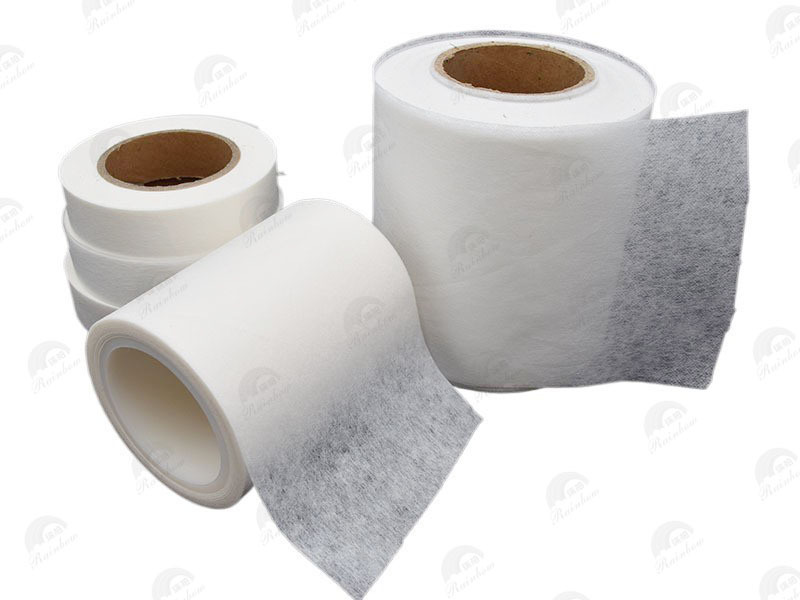
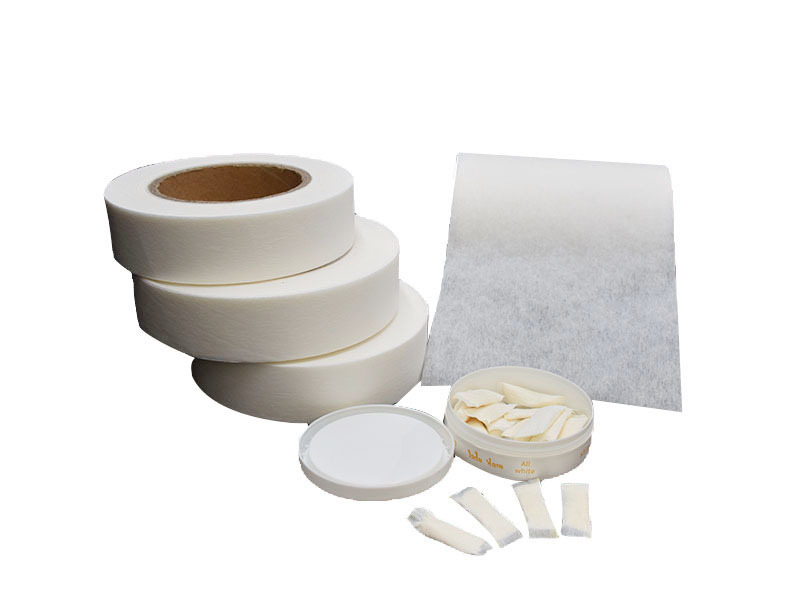
Fusible nonwoven interlining is a crucial material in the textile industry, particularly in the realm of garment construction. This specialized fabric plays an essential role in providing support, stability, and shape to garments, helping to achieve a professional finish. Understanding its properties and applications can significantly benefit those involved in textile design and production.
One of the primary characteristics of fusible nonwoven interlining is its ability to bond with the exterior fabric when heat and pressure are applied. This bonding process is facilitated by an adhesive coating on one side of the interlining, which melts and adheres to the fabric, creating a secure bond. This unique feature distinguishes fusible nonwoven interlining from other types of interlinings and enhances its usability in various applications.
Fusible nonwoven interlining is often made from synthetic fibers, which contribute to its lightweight and flexible nature. This flexibility allows it to conform to the shape of the garment while providing the necessary support. Additionally, nonwoven fabrics are known for their breathability, which is essential for maintaining comfort in clothing. The lightweight quality of fusible nonwoven interlining ensures that it does not add unnecessary bulk to the garment, making it an excellent choice for tailored and structured designs.
In terms of applications, fusible nonwoven interlining is commonly used in collars, cuffs, waistbands, and other areas where enhanced shape and stability are required. By incorporating this type of interlining, designers can achieve crisp edges and maintain the intended silhouette of the garment. Furthermore, fusible nonwoven interlining can improve the durability of the fabric, helping to resist wear and tear over time.
Another significant benefit of fusible nonwoven interlining is its ease of application. The process of fusing the interlining to the main fabric is straightforward, requiring minimal equipment and expertise. This accessibility makes it an ideal choice for both large-scale production and small-scale tailoring projects. Additionally, the availability of various weights and styles allows professionals to select the most suitable option for their specific needs.
In conclusion, fusible nonwoven interlining is an indispensable material in the textile industry, offering numerous advantages in garment construction. Its unique bonding properties, lightweight design, and flexibility make it a preferred choice among textile professionals. By understanding the benefits and applications of fusible nonwoven interlining, designers and manufacturers can enhance the quality and longevity of their garments, ultimately leading to greater customer satisfaction.
One of the primary characteristics of fusible nonwoven interlining is its ability to bond with the exterior fabric when heat and pressure are applied. This bonding process is facilitated by an adhesive coating on one side of the interlining, which melts and adheres to the fabric, creating a secure bond. This unique feature distinguishes fusible nonwoven interlining from other types of interlinings and enhances its usability in various applications.
Fusible nonwoven interlining is often made from synthetic fibers, which contribute to its lightweight and flexible nature. This flexibility allows it to conform to the shape of the garment while providing the necessary support. Additionally, nonwoven fabrics are known for their breathability, which is essential for maintaining comfort in clothing. The lightweight quality of fusible nonwoven interlining ensures that it does not add unnecessary bulk to the garment, making it an excellent choice for tailored and structured designs.
In terms of applications, fusible nonwoven interlining is commonly used in collars, cuffs, waistbands, and other areas where enhanced shape and stability are required. By incorporating this type of interlining, designers can achieve crisp edges and maintain the intended silhouette of the garment. Furthermore, fusible nonwoven interlining can improve the durability of the fabric, helping to resist wear and tear over time.
Another significant benefit of fusible nonwoven interlining is its ease of application. The process of fusing the interlining to the main fabric is straightforward, requiring minimal equipment and expertise. This accessibility makes it an ideal choice for both large-scale production and small-scale tailoring projects. Additionally, the availability of various weights and styles allows professionals to select the most suitable option for their specific needs.
In conclusion, fusible nonwoven interlining is an indispensable material in the textile industry, offering numerous advantages in garment construction. Its unique bonding properties, lightweight design, and flexibility make it a preferred choice among textile professionals. By understanding the benefits and applications of fusible nonwoven interlining, designers and manufacturers can enhance the quality and longevity of their garments, ultimately leading to greater customer satisfaction.
fusible nonwoven interlining
Next Page
Latest News


Nantong Rainbow Nonwoven Tech Co.,Ltd.
Telephone:+86-13587673537 +86-15851257231
E-mail:chrislc717@163.com christy@ntrainbow.com
sales1@ntrainbow.com
Address: (No. 88, Sanzong South Road) Group 42, Xichansi Village, Xiting Town, Tongzhou District, Nantong City, Jiangsu Province

Copyright©2024 Nantong Rainbow Technology Co., Ltd. | Powered by www.300.cn
Copyright©2024 Nantong Rainbow Technology Co., Ltd.
Powered by www.300.cn