
Exploring the Advantages of Using Nonwoven Fusible Interlining: A Comprehensive Guide
Release time:
2025-11-03
Exploring the Advantages of Using Nonwoven Fusible Interlining
Table of Contents
- 1. Introduction to Nonwoven Fusible Interlining
- 2. What is Nonwoven Fusible Interlining?
- 3. Benefits of Nonwoven Fusible Interlining
- 4. Applications of Nonwoven Fusible Interlining
- 5. How to Use Nonwoven Fusible Interlining
- 6. Choosing the Right Nonwoven Fusible Interlining
- 7. Frequently Asked Questions
- 8. Conclusion
1. Introduction to Nonwoven Fusible Interlining
In the competitive world of textiles, one of the crucial components that can significantly influence the quality and longevity of garments is the interlining used in fabric construction. Among various types, **nonwoven fusible interlining** stands out for its innovative structure and functional advantages. This article explores the manifold benefits and applications of nonwoven fusible interlining, shedding light on why it's considered a game-changer in garment production.
2. What is Nonwoven Fusible Interlining?
Nonwoven fusible interlining is a specialized textile material that is engineered to bond with outer fabrics, providing additional support and shape retention. Unlike traditional woven interlining, nonwoven interlining is created through a process that entangles fibers, which can include polyester, nylon, or viscose. This method results in a product that is lightweight, yet robust, offering unique properties suitable for a variety of applications in the fashion and textile industry.
3. Benefits of Nonwoven Fusible Interlining
Nonwoven fusible interlining provides several key advantages that enhance garment quality and performance. Here are the three primary benefits:
3.1 Durability and Strength
One of the standout features of nonwoven fusible interlining is its remarkable durability. The unique fiber entanglement process helps create a product that resists wear and tear, making it ideal for high-stress areas of garments such as collars, cuffs, and waistbands. As a result, garments retain their shape over time, reducing the need for frequent replacements.
3.2 Flexibility and Comfort
Another significant advantage is the flexibility that nonwoven fusible interlining offers. Unlike stiffer interlining options, this type allows for more natural movement, making garments more comfortable to wear. The lightweight design means that it doesn't add bulk to the fabric, ensuring that the final product maintains its drape and flow.
3.3 Easy Application
Nonwoven fusible interlining is designed for straightforward application. The fusible side has a special adhesive that, when heat is applied, bonds seamlessly to the fabric. This ease of use streamlines the sewing process, allowing for faster production times and a more efficient workflow, which is particularly beneficial for large-scale manufacturing.
4. Applications of Nonwoven Fusible Interlining
The applications of nonwoven fusible interlining are diverse, spanning various segments in the textile industry. Here are a few noteworthy examples:
- **Apparel Industry**: Used extensively in shirts, blouses, jackets, and coats, nonwoven fusible interlining provides the necessary support to maintain structure without compromising comfort.
- **Home Textiles**: In home décor, nonwoven fusible interlining is utilized for curtains, upholstery, and other decorative elements, enhancing the overall aesthetic while ensuring durability.
- **Automotive Textiles**: Nonwoven interlining is also employed in the automotive sector for seat covers and interior linings, where durability and comfort are paramount.
5. How to Use Nonwoven Fusible Interlining
Using nonwoven fusible interlining is a simple process. Here’s a step-by-step guide to ensure optimal results:
1. **Select the Right Interlining**: Choose a nonwoven fusible interlining that matches your fabric type and desired stiffness.
2. **Cut the Interlining**: Cut the interlining pieces slightly smaller than the fabric pieces to avoid excess bulk at the seams.
3. **Prepare the Fabric**: Press the main fabric to remove any wrinkles, ensuring a smooth application surface.
4. **Position the Interlining**: Place the adhesive side of the interlining against the fabric, aligning the edges carefully.
5. **Apply Heat**: Use a pressing iron on medium heat, applying pressure for approximately 10-15 seconds. Ensure that the adhesive has fully melted and bonded to the fabric.
6. **Cool and Trim**: Allow the bonded fabric to cool before trimming excess interlining for a clean finish.
6. Choosing the Right Nonwoven Fusible Interlining
Selecting the appropriate nonwoven fusible interlining can be pivotal in achieving the desired garment quality. Consider the following factors:
- **Weight**: Different projects require varying weights of interlining. Heavier interlinings provide more support, while lighter options offer flexibility.
- **Material Composition**: Choose interlinings made from polyester for stretch and durability, or those made from cotton for breathability.
- **Adhesive Type**: Some interlinings feature a permanent adhesive, while others allow for repositioning. Select based on your project needs.
7. Frequently Asked Questions
What is the difference between woven and nonwoven fusible interlining?
Nonwoven fusible interlining is made from entangled fibers, providing flexibility and ease of application, while woven interlining consists of threads woven together, offering different structural support.
Can nonwoven fusible interlining be washed?
Yes, nonwoven fusible interlining is typically machine washable. However, it is essential to check the manufacturer's guidelines to ensure durability over time.
Is nonwoven fusible interlining suitable for all fabric types?
While nonwoven fusible interlining works well with many fabrics, it is crucial to test a small piece first to determine compatibility with delicate or lightweight fabrics.
How can I remove nonwoven fusible interlining?
To remove nonwoven fusible interlining, apply steam from an iron to loosen the adhesive, then gently peel away the interlining.
Are there eco-friendly options for nonwoven fusible interlining?
Yes, some manufacturers produce biodegradable or recycled nonwoven fusible interlining, catering to environmentally conscious consumers.
8. Conclusion
In summary, **nonwoven fusible interlining** stands as a superior choice in the textile industry for those seeking quality, durability, and ease of use. Its remarkable properties make it ideal for a wide range of applications, enhancing both the aesthetic and functional aspects of garments and home textiles alike. By understanding its benefits and learning how to use it effectively, manufacturers can streamline their processes and produce high-quality products that meet consumer demands. Whether in apparel or home décor, nonwoven fusible interlining is undeniably a valuable asset in modern textiles.
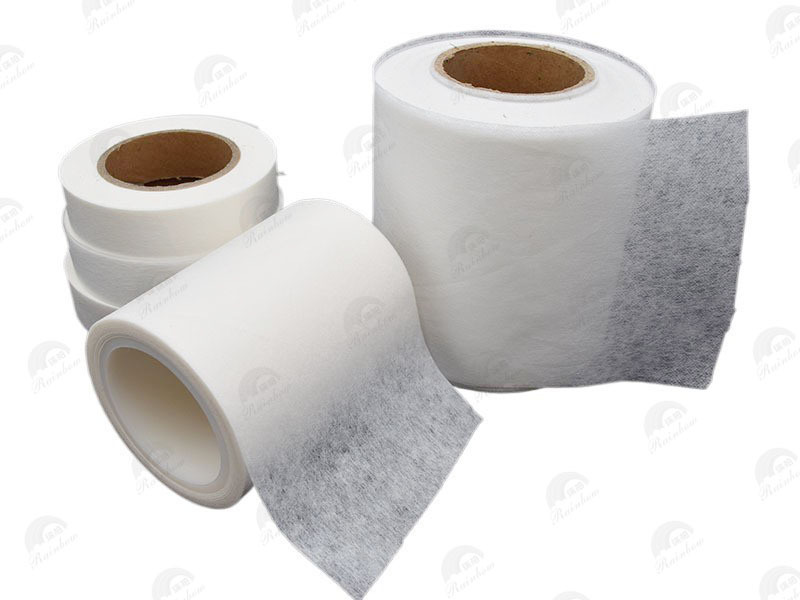
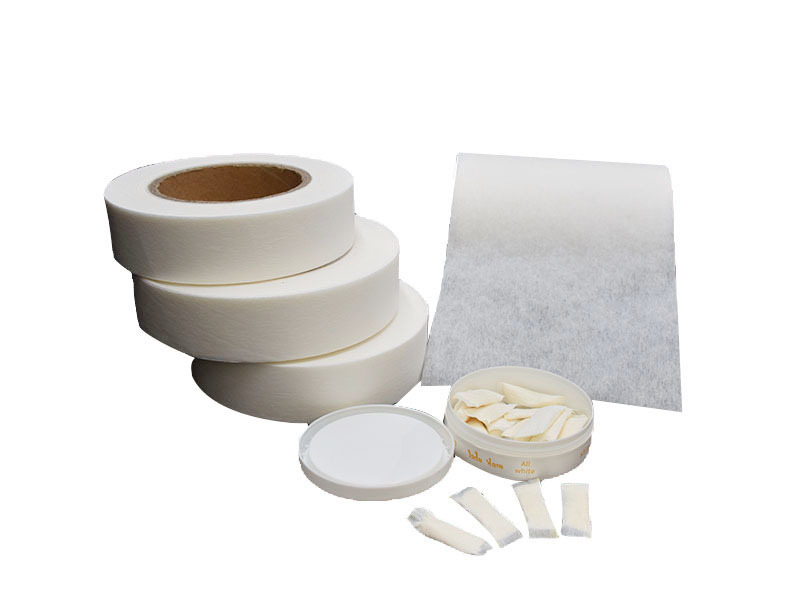
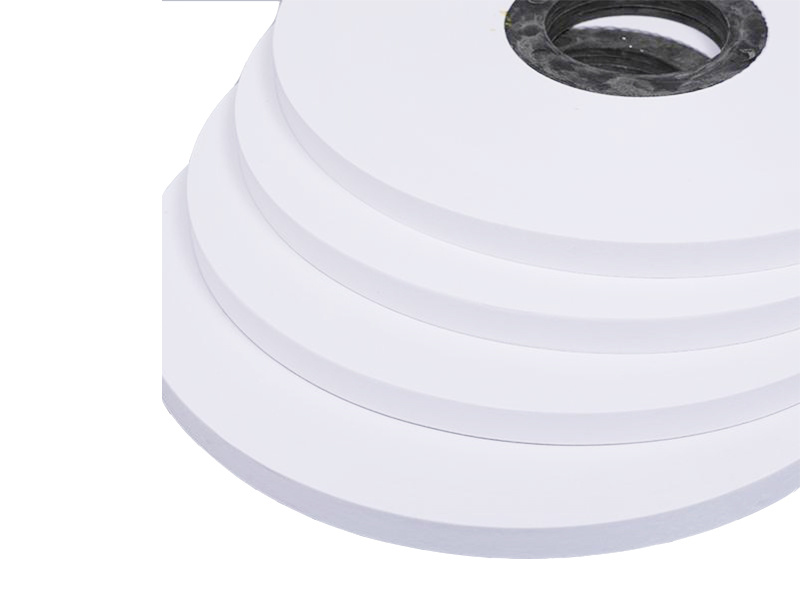
chemical bonded Nonwoven fusible interlining
Previous Page
Latest News


Nantong Rainbow Nonwoven Tech Co.,Ltd.
Telephone:+86-13587673537 +86-15851257231
E-mail:chrislc717@163.com christy@ntrainbow.com
sales1@ntrainbow.com
Address: (No. 88, Sanzong South Road) Group 42, Xichansi Village, Xiting Town, Tongzhou District, Nantong City, Jiangsu Province

Copyright©2024 Nantong Rainbow Technology Co., Ltd. | Powered by www.300.cn
Copyright©2024 Nantong Rainbow Technology Co., Ltd.
Powered by www.300.cn