
Understanding Nonwoven Fusible Interlining: An Essential Component in Textile Applications
Release time:
2025-11-01
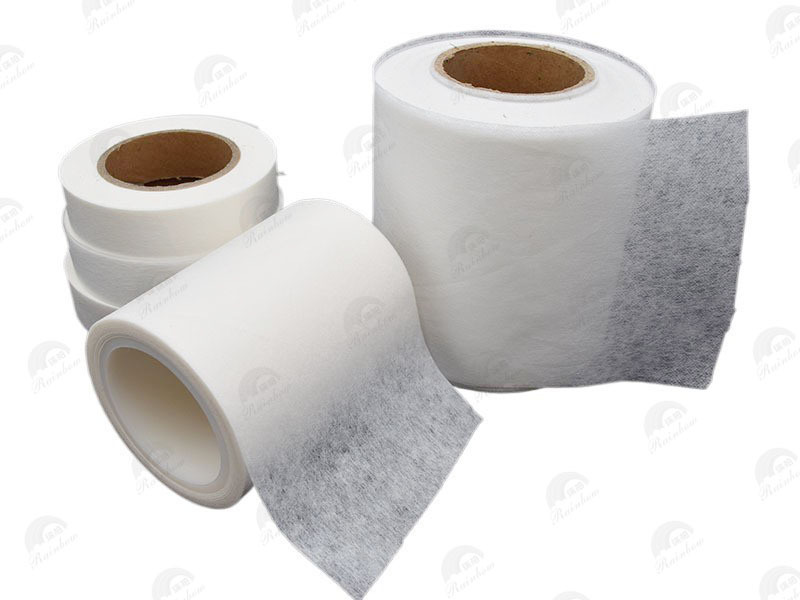
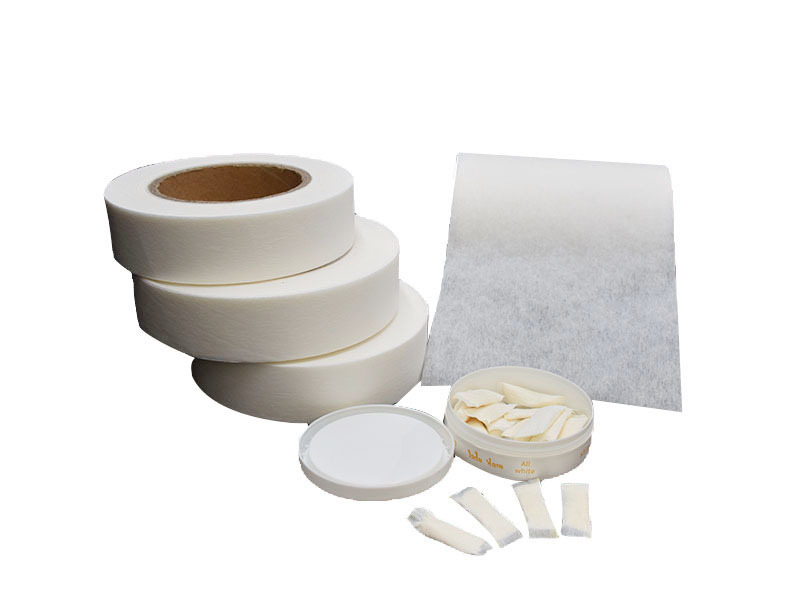
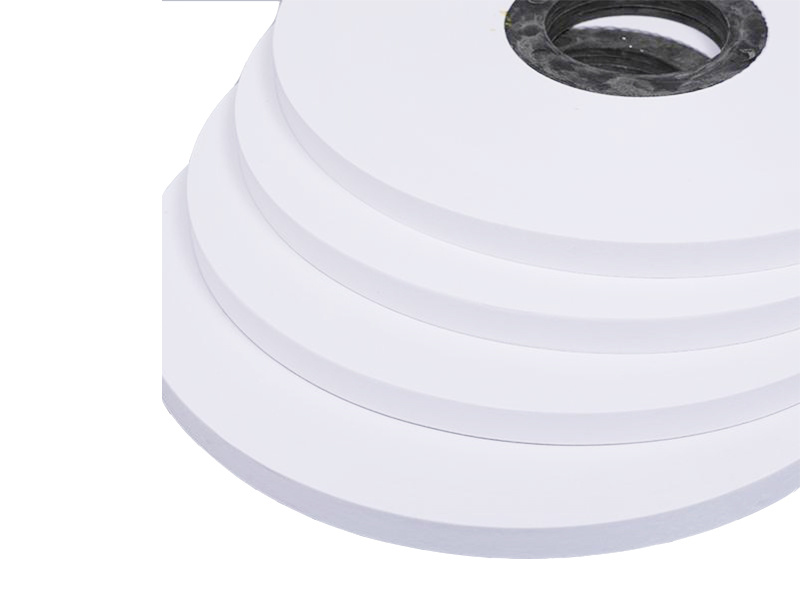
Nonwoven fusible interlining is a specialized textile product designed to provide support and structure to various fabrics in the garment manufacturing process. Unlike traditional woven interlining, nonwoven fusible interlining is made from fibers that are bonded together using heat, pressure, or chemicals, resulting in a fabric that is lightweight, flexible, and easy to apply. This type of interlining is especially popular in the production of tailored garments, such as blazers, coats, and shirts, where maintaining a sharp silhouette is critical.
One of the primary advantages of nonwoven fusible interlining is its excellent adhesion properties. The fusible side of the interlining is coated with a thermoplastic adhesive that melts when heat is applied, allowing it to bond seamlessly to the outer fabric. This process not only provides added structure to the garment but also helps to enhance its overall appearance by preventing distortion or sagging.
Additionally, nonwoven fusible interlining is often designed with specific properties tailored to different applications. For instance, some variants may offer stretchability, allowing for greater flexibility in garments that require ease of movement. Others may be treated to provide moisture-wicking capabilities, making them suitable for activewear or performance garments. Understanding these variations is essential for manufacturers aiming to select the right interlining for their specific needs.
Another important consideration when using nonwoven fusible interlining is the compatibility with the outer fabric. The choice of interlining should align with the fabric's weight, fiber content, and intended end-use. Professionals in the textile industry must conduct thorough testing to ensure that the bonding process does not damage the outer fabric and that the finished product meets the desired quality standards.
In summary, nonwoven fusible interlining is an indispensable component in the textile industry, providing structural integrity and enhancing the aesthetic appeal of garments. Its unique properties and versatility make it a preferred choice among manufacturers. By carefully selecting the right type of nonwoven fusible interlining, textile professionals can significantly improve the quality and longevity of their products, ultimately leading to greater customer satisfaction.
One of the primary advantages of nonwoven fusible interlining is its excellent adhesion properties. The fusible side of the interlining is coated with a thermoplastic adhesive that melts when heat is applied, allowing it to bond seamlessly to the outer fabric. This process not only provides added structure to the garment but also helps to enhance its overall appearance by preventing distortion or sagging.
Additionally, nonwoven fusible interlining is often designed with specific properties tailored to different applications. For instance, some variants may offer stretchability, allowing for greater flexibility in garments that require ease of movement. Others may be treated to provide moisture-wicking capabilities, making them suitable for activewear or performance garments. Understanding these variations is essential for manufacturers aiming to select the right interlining for their specific needs.
Another important consideration when using nonwoven fusible interlining is the compatibility with the outer fabric. The choice of interlining should align with the fabric's weight, fiber content, and intended end-use. Professionals in the textile industry must conduct thorough testing to ensure that the bonding process does not damage the outer fabric and that the finished product meets the desired quality standards.
In summary, nonwoven fusible interlining is an indispensable component in the textile industry, providing structural integrity and enhancing the aesthetic appeal of garments. Its unique properties and versatility make it a preferred choice among manufacturers. By carefully selecting the right type of nonwoven fusible interlining, textile professionals can significantly improve the quality and longevity of their products, ultimately leading to greater customer satisfaction.
Nonwoven fusible interlining
Latest News


Nantong Rainbow Nonwoven Tech Co.,Ltd.
Telephone:+86-13587673537 +86-15851257231
E-mail:chrislc717@163.com christy@ntrainbow.com
sales1@ntrainbow.com
Address: (No. 88, Sanzong South Road) Group 42, Xichansi Village, Xiting Town, Tongzhou District, Nantong City, Jiangsu Province

Copyright©2024 Nantong Rainbow Technology Co., Ltd. | Powered by www.300.cn
Copyright©2024 Nantong Rainbow Technology Co., Ltd.
Powered by www.300.cn