
Exploring the Benefits of Chemical Bonded Nonwoven Fusible Interlining in Textile Applications
Release time:
2025-10-08
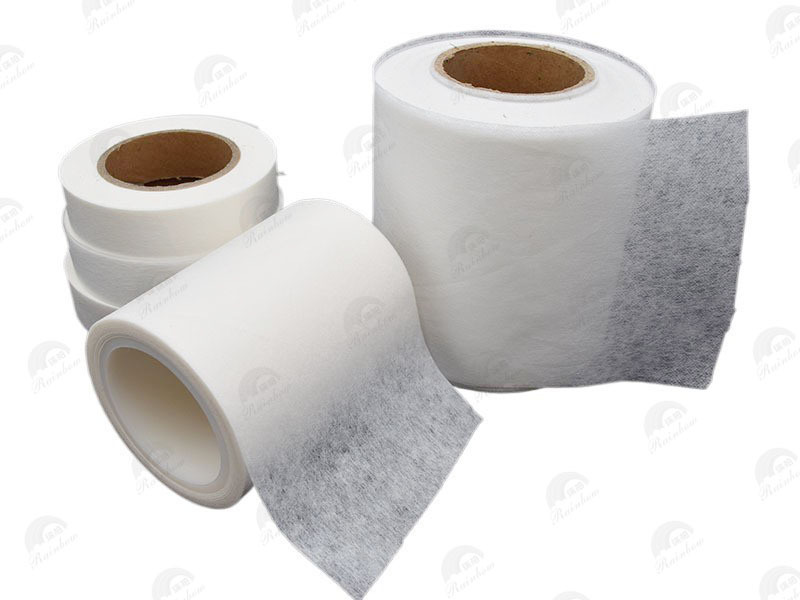
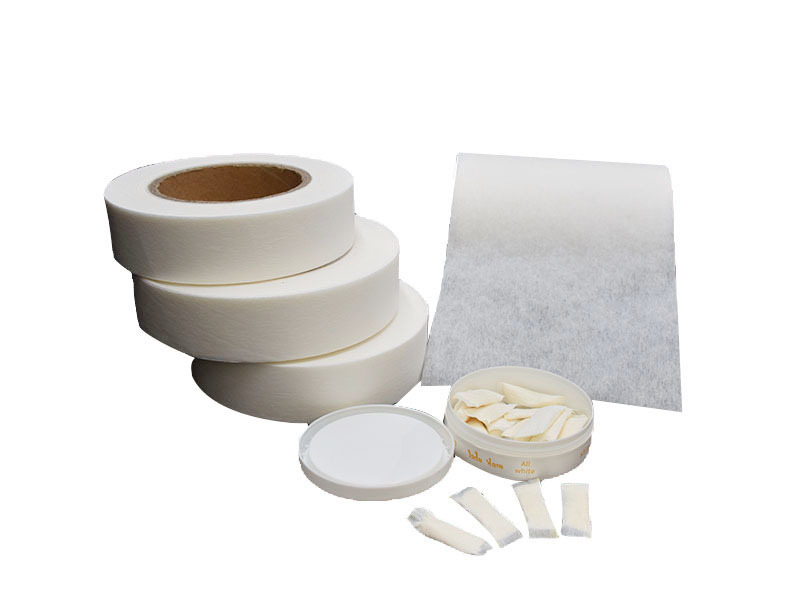
Chemical bonded nonwoven fusible interlining is a vital component in the textile and garment industry, particularly for creating high-quality and durable products. This type of interlining is characterized by its unique bonding process, which uses synthetic adhesive to bond fibers together, resulting in a nonwoven fabric that offers several advantages over traditional interlining materials.
One of the primary benefits of chemical bonded nonwoven fusible interlining is its exceptional stability. This material retains its shape and structure, providing reliable support to fabrics without adding unnecessary weight. This stability is crucial in garments where maintaining form is essential, such as tailored suits or structured dresses. Additionally, the nonwoven nature allows for enhanced breathability, ensuring comfort for the wearer, which is especially important in fashion-forward and functional apparel.
Another significant advantage is its versatility. Chemical bonded nonwoven fusible interlining can be used across a wide range of textile applications, from lightweight fabrics to heavier materials. Its ability to adhere to various fabrics makes it an ideal choice for a multitude of projects, including outerwear, home textiles, and even accessories. This adaptability allows designers and manufacturers to work with a single interlining solution that meets diverse requirements.
Moreover, this type of interlining is known for its excellent fusibility. When heat is applied, it bonds effectively to the main fabric, creating a secure attachment without compromising the fabric's integrity. This fusibility ensures that the interlining remains in place throughout the garment's lifecycle, which is essential for maintaining the desired appearance and functionality of the final product.
In terms of production efficiency, chemical bonded nonwoven fusible interlining can contribute to faster manufacturing processes. Since it is lightweight and easy to handle, it can streamline operations and reduce production time. This efficiency is particularly beneficial for manufacturers looking to optimize workflow and meet tight deadlines.
Sustainability is also an essential consideration in today's textile industry. Many chemical bonded nonwoven fusible interlinings are produced with eco-friendly materials and processes, appealing to environmentally conscious consumers and brands. By choosing sustainable options, manufacturers can enhance their brand reputation while contributing to a more sustainable textile industry.
In conclusion, chemical bonded nonwoven fusible interlining offers a multitude of benefits, making it a preferred choice for textile professionals. Its stability, versatility, excellent fusibility, efficiency in production, and potential for sustainability make it an indispensable material in creating high-quality garments and textiles. Understanding these advantages can empower industry professionals to make informed decisions in their projects, further enhancing the quality and durability of their textile products.
One of the primary benefits of chemical bonded nonwoven fusible interlining is its exceptional stability. This material retains its shape and structure, providing reliable support to fabrics without adding unnecessary weight. This stability is crucial in garments where maintaining form is essential, such as tailored suits or structured dresses. Additionally, the nonwoven nature allows for enhanced breathability, ensuring comfort for the wearer, which is especially important in fashion-forward and functional apparel.
Another significant advantage is its versatility. Chemical bonded nonwoven fusible interlining can be used across a wide range of textile applications, from lightweight fabrics to heavier materials. Its ability to adhere to various fabrics makes it an ideal choice for a multitude of projects, including outerwear, home textiles, and even accessories. This adaptability allows designers and manufacturers to work with a single interlining solution that meets diverse requirements.
Moreover, this type of interlining is known for its excellent fusibility. When heat is applied, it bonds effectively to the main fabric, creating a secure attachment without compromising the fabric's integrity. This fusibility ensures that the interlining remains in place throughout the garment's lifecycle, which is essential for maintaining the desired appearance and functionality of the final product.
In terms of production efficiency, chemical bonded nonwoven fusible interlining can contribute to faster manufacturing processes. Since it is lightweight and easy to handle, it can streamline operations and reduce production time. This efficiency is particularly beneficial for manufacturers looking to optimize workflow and meet tight deadlines.
Sustainability is also an essential consideration in today's textile industry. Many chemical bonded nonwoven fusible interlinings are produced with eco-friendly materials and processes, appealing to environmentally conscious consumers and brands. By choosing sustainable options, manufacturers can enhance their brand reputation while contributing to a more sustainable textile industry.
In conclusion, chemical bonded nonwoven fusible interlining offers a multitude of benefits, making it a preferred choice for textile professionals. Its stability, versatility, excellent fusibility, efficiency in production, and potential for sustainability make it an indispensable material in creating high-quality garments and textiles. Understanding these advantages can empower industry professionals to make informed decisions in their projects, further enhancing the quality and durability of their textile products.
chemical bonded Nonwoven fusible interlining
Latest News


Nantong Rainbow Nonwoven Tech Co.,Ltd.
Telephone:+86-13587673537 +86-15851257231
E-mail:chrislc717@163.com christy@ntrainbow.com
sales1@ntrainbow.com
Address: (No. 88, Sanzong South Road) Group 42, Xichansi Village, Xiting Town, Tongzhou District, Nantong City, Jiangsu Province

Copyright©2024 Nantong Rainbow Technology Co., Ltd. | Powered by www.300.cn
Copyright©2024 Nantong Rainbow Technology Co., Ltd.
Powered by www.300.cn