
Polyester Interlining: The Unsung Hero of Quality Apparel
Release time:
2025-10-09
Polyester Interlining: The Unsung Hero of Quality Apparel
Table of Contents
1. Introduction to Polyester Interlining
2. What is Polyester Interlining?
3. Benefits of Using Polyester Interlining
- 3.1 Durability and Longevity
- 3.2 Versatility in Fashion
- 3.3 Enhancing Aesthetic Appeal
4. Types of Polyester Interlining
- 4.1 Fusible Interlining
- 4.2 Non-Fusible Interlining
- 4.3 Woven Interlining
5. Applications of Polyester Interlining in Apparel
6. How to Choose the Right Polyester Interlining for Your Needs
7. Caring for Your Polyester Interlining
8. Conclusion
9. Frequently Asked Questions
Introduction to Polyester Interlining
In the world of fashion and garment creation, there exists a silent yet powerful component known as **polyester interlining**. This fabric plays an essential role in elevating the overall quality of apparel, providing structure, stability, and style that mere outer fabrics cannot achieve on their own. While often overlooked, polyester interlining deserves recognition for its contributions to the longevity and appeal of garments. In this article, we will delve deep into the various aspects of polyester interlining, including its benefits, types, applications, and maintenance tips, ensuring that you fully understand this essential element of quality apparel.

What is Polyester Interlining?
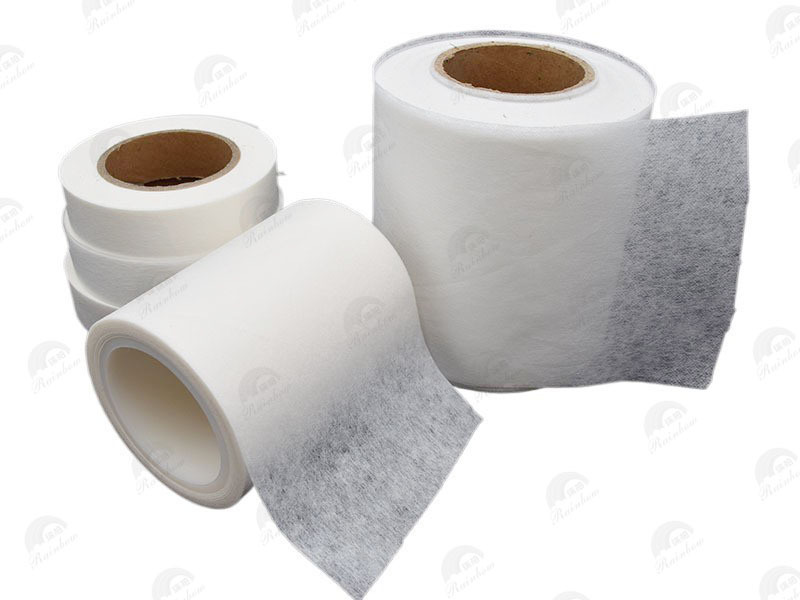
Polyester interlining refers to a type of fabric that is typically used in the construction of garments to provide additional support and structure. It is placed between the outer fabric and the lining of a garment, contributing to its shape and enhancing its overall appearance. Made from polyester fibers, this interlining possesses unique characteristics, making it a popular choice among designers and manufacturers alike.
Polyester interlining is engineered to be lightweight yet strong, allowing garments to maintain their form while providing comfort to the wearer. Its ability to resist wrinkles and retain shape makes it a go-to option across various clothing types, from casual wear to formal attire.
Benefits of Using Polyester Interlining
The advantages of incorporating polyester interlining into garments are manifold. Below, we explore some key benefits that make it an indispensable component in quality apparel.
Durability and Longevity
One of the most significant benefits of polyester interlining is its **durability**. Unlike other materials, polyester is inherently resistant to wear and tear, ensuring that garments retain their shape and quality over time. This durability translates into longer-lasting clothing, which is particularly advantageous for items subject to frequent use, such as suits and coats.
Versatility in Fashion
Polyester interlining is available in various weights, thicknesses, and finishes, enabling designers to select the perfect type for their specific garment needs. Whether it's a structured blazer or a soft-flowing dress, polyester interlining can adapt to diverse styles, ensuring that it complements the design intent effectively.
Enhancing Aesthetic Appeal
Beyond function, polyester interlining significantly contributes to the **aesthetic appeal** of garments. It can enhance drape, create a smooth silhouette, and provide a tailored finish. The right interlining can elevate a simple piece into a designer garment, showcasing the meticulous craftsmanship behind each item.
Types of Polyester Interlining
Understanding the different types of polyester interlining available can help you make informed decisions when selecting materials for your garments. Here are some of the most common varieties:
Fusible Interlining
Fusible interlining is a type of interlining that has a heat-activated adhesive on one side. This allows it to fuse directly to the outer fabric when heat is applied, creating a permanent bond. It is particularly useful in creating structured garments that require additional support without the bulk of traditional interlining.
Non-Fusible Interlining
Unlike fusible interlining, non-fusible interlining does not have an adhesive backing. Instead, it is sewn directly into the garment. This type is advantageous for delicate fabrics or when a designer wishes to maintain the fabric's natural drape. Non-fusible interlining is often used in high-end couture garments where precision is paramount.
Woven Interlining
Woven interlining is made from intertwining threads, making it a sturdy choice for tailored garments. This type of interlining provides excellent support while allowing for breathability. Its structure makes it ideal for jackets, blazers, and structured dresses, where maintaining a crisp appearance is essential.
Applications of Polyester Interlining in Apparel
The versatility of polyester interlining allows it to be applied in various types of garments. Here are some notable applications:
- **Suits and Blazers**: Polyester interlining provides the structure needed for tailored suits, ensuring they maintain their shape throughout wear.
- **Dresses**: In formal and evening dresses, interlining can enhance the silhouette and drape, adding elegance to the overall design.
- **Coats and Outerwear**: The durability of polyester interlining makes it ideal for outerwear, as it can withstand the rigors of daily wear while providing insulation and structure.
- **Skirts and Pants**: Adding interlining to skirts and pants can prevent them from sagging, ensuring they maintain a polished appearance.
How to Choose the Right Polyester Interlining for Your Needs
Selecting the appropriate polyester interlining requires careful consideration of several factors:
1. **Garment Type**: Consider the nature of the garment you are creating. Structured pieces may benefit from fusible interlining, while soft flowy designs might require non-fusible options.
2. **Fabric Compatibility**: Ensure that the interlining complements the outer fabric. Lightweight interlining may be more appropriate for delicate fabrics, while heavier interlining works better with sturdier materials.
3. **End Use**: Think about how the garment will be worn. For daily wear, durability should be a priority, whereas for special occasions, aesthetics may take precedence.
Caring for Your Polyester Interlining
Maintaining garments with polyester interlining is straightforward, but following a few care tips can extend their lifespan:
- **Washing**: Most polyester interlining is machine washable, but always check the care label. Use a gentle cycle and cold water to preserve the integrity of the fabric.
- **Ironing**: When ironing garments with polyester interlining, use a low-temperature setting to avoid damaging the fabric. A pressing cloth can also help protect delicate materials.
- **Storage**: Store garments in a cool, dry place to prevent mildew and preserve their structure. Hanging items can maintain their shape, while folded items should be stored carefully to avoid creasing.
Conclusion
Polyester interlining is indeed the unsung hero of quality apparel, playing a crucial role in enhancing the durability, structure, and aesthetic appeal of garments. With a variety of types available, it caters to diverse fashion needs, making it a staple in the world of clothing production. By understanding the benefits and applications of polyester interlining, designers and consumers alike can ensure that their garments not only look fantastic but also stand the test of time. Embrace polyester interlining for your next apparel project and experience the difference it can make!
Frequently Asked Questions
1. What is polyester interlining used for?
Polyester interlining is used to provide structure, stability, and support to garments, enhancing their overall quality and appearance.
2. Is polyester interlining machine washable?
Most polyester interlining is machine washable; however, it's essential to check the care label for specific washing instructions.
3. How can I tell if I need fusible or non-fusible interlining?
Fusible interlining is ideal for structured garments requiring a strong bond, while non-fusible is better for delicate fabrics that need flexibility.
4. Can I use polyester interlining for all types of fabrics?
While polyester interlining is versatile, it's best to choose the type that complements the specific fabric you're working with to achieve optimal results.
5. How do I maintain garments with polyester interlining?
Care for garments with polyester interlining by following the care label instructions, using low heat when ironing, and storing them properly to maintain shape and structure.
polyester interlining for garment
Latest News


Nantong Rainbow Nonwoven Tech Co.,Ltd.
Telephone:+86-13587673537 +86-15851257231
E-mail:chrislc717@163.com christy@ntrainbow.com
sales1@ntrainbow.com
Address: (No. 88, Sanzong South Road) Group 42, Xichansi Village, Xiting Town, Tongzhou District, Nantong City, Jiangsu Province

Copyright©2024 Nantong Rainbow Technology Co., Ltd. | Powered by www.300.cn
Copyright©2024 Nantong Rainbow Technology Co., Ltd.
Powered by www.300.cn