
Gum Stay Nonwoven vs. Traditional Fabrics: A Comprehensive Comparative Analysis
Release time:
2025-09-29
Gum Stay Nonwoven vs. Traditional Fabrics: A Comprehensive Comparative Analysis
Introduction to Nonwoven Fabrics
In the realm of textiles, nonwoven fabrics have emerged as a revolutionary alternative to traditional woven and knitted fabrics. Among these, **Gum Stay nonwoven** fabrics stand out due to their unique properties and versatility. This article aims to provide a comprehensive analysis of Gum Stay nonwoven fabrics compared to traditional fabrics, focusing on their characteristics, applications, and advantages.
The Basics of Nonwoven and Traditional Fabrics
What Are Nonwoven Fabrics?
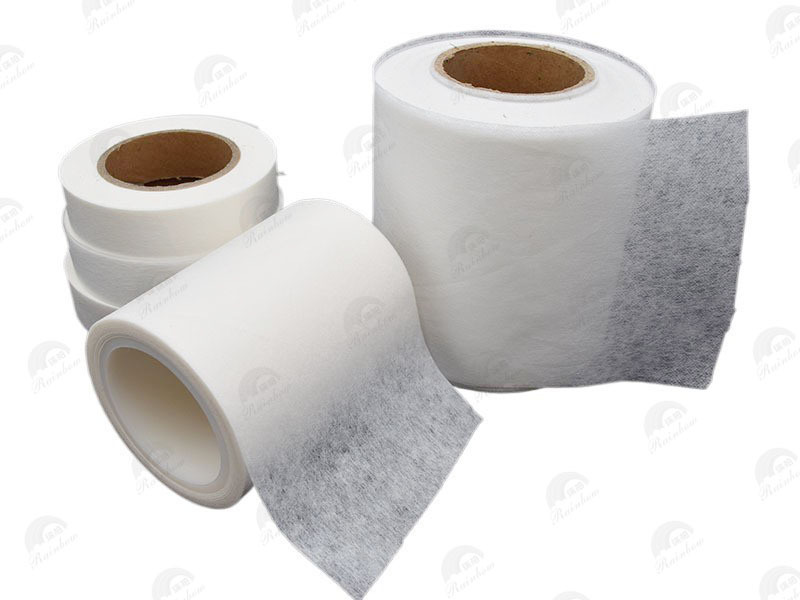
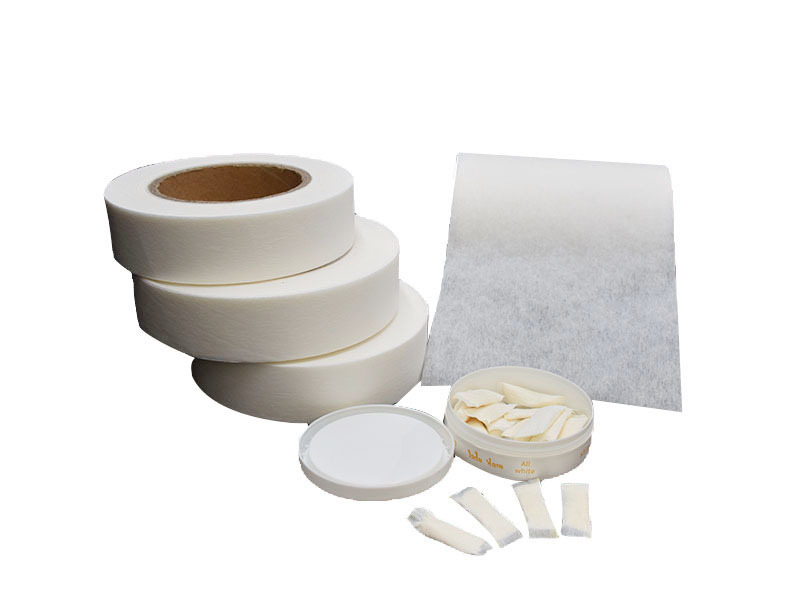
Nonwoven fabrics are textile materials that are produced by bonding fibers together using chemical, mechanical, or thermal processes instead of weaving or knitting. This method allows for the creation of fabrics that can be engineered to meet specific requirements. **Gum Stay**, in particular, utilizes a unique bonding technique that enhances durability and flexibility.
Traditional Fabrics: A Brief Overview
Traditional fabrics, such as cotton, silk, and polyester, are made by interlacing threads to create a cohesive material. While these fabrics have been used for centuries, their manufacturing process is often labor-intensive and involves significant resource consumption.
Comparative Analysis of Gum Stay Nonwoven and Traditional Fabrics
1. Production Process
The production of Gum Stay nonwoven fabrics involves a specialized process that uses polymers to bond fibers, resulting in a strong yet lightweight material. In contrast, traditional fabrics require spinning, weaving, and finishing processes, making them more time-consuming and resource-intensive.
2. Durability and Longevity
One of the significant advantages of Gum Stay nonwoven fabrics is their durability. They are engineered to withstand wear and tear, making them ideal for applications that require long-lasting performance. Traditional fabrics, while durable in their own right, may not offer the same level of resilience, particularly in high-stress environments.
3. Cost-Effectiveness
From a cost perspective, Gum Stay nonwoven fabrics often prove to be more economical due to their efficient production process. Traditional fabrics, on the other hand, typically entail higher labor and material costs, which can lead to increased prices for consumers.
Applications of Gum Stay Nonwoven Fabrics
1. Medical Sector
In the medical field, Gum Stay nonwoven fabrics are widely used for protective gear such as masks, gowns, and drapes. Their breathability and barrier properties make them suitable for safeguarding against contaminants.
2. Automotive Industry
In the automotive industry, these nonwoven fabrics serve various purposes, from insulation to interior linings. Their lightweight nature contributes to fuel efficiency, making vehicles more eco-friendly.
3. Household Products
Gum Stay nonwoven fabrics are also utilized in household products like wipes, cleaning cloths, and even disposable tableware. Their disposability and functionality have made them a popular choice among consumers.
Environmental Impact: Gum Stay vs. Traditional Fabrics
1. Sustainability of Nonwoven Fabrics
Gum Stay nonwoven fabrics are often more sustainable than traditional options. Many nonwoven manufacturers focus on eco-friendly materials and processes, which reduces environmental impact. Some nonwoven fabrics are even biodegradable or recyclable, aligning with the growing demand for sustainable products.
2. Traditional Fabric Environmental Concerns
In contrast, the production of traditional fabrics often involves significant water usage, chemical treatments, and waste generation. This can lead to environmental degradation and highlights the need for more sustainable practices in the textile industry.
Comfort and Feel: A User Perspective
1. Softness and Texture
When it comes to comfort, traditional fabrics like cotton and silk excel with their soft, luxurious textures. Gum Stay nonwoven fabrics, while engineered for durability, may not always provide the same level of softness, making them less desirable for certain applications, such as clothing.
2. Breathability
Breathability is another crucial factor. Traditional fabrics often allow better airflow, making them suitable for clothing and bedding. However, advancements in nonwoven technology have improved the breathability of Gum Stay fabrics, particularly in medical and hygiene applications.
Innovation in Nonwoven Technology
1. Advancements in Gum Stay Fabrics
The textile industry is witnessing continuous innovation in nonwoven technology. Gum Stay fabrics are at the forefront, with ongoing research focused on enhancing their properties, including moisture control, antimicrobial features, and additional functionalities.
2. Future Trends in Fabric Development
As consumer preferences shift towards sustainable and high-performance materials, the future of Gum Stay nonwoven fabrics looks promising. Innovations in eco-friendly production methods and smart textiles are expected to propel these fabrics into new markets and applications.
Frequently Asked Questions (FAQs)
1. What are the main advantages of Gum Stay nonwoven fabrics?
Gum Stay nonwoven fabrics offer durability, cost-effectiveness, and versatility across various applications. They are also often more sustainable than traditional fabrics.
2. Can Gum Stay nonwoven fabrics be recycled?
Many Gum Stay nonwoven fabrics are designed with recycling in mind, making them a more eco-friendly choice compared to some traditional fabrics.
3. Are Gum Stay fabrics suitable for clothing?
While Gum Stay nonwoven fabrics are primarily used in industrial and medical applications, their comfort level may be less suited for everyday clothing compared to traditional fabrics.
4. How do traditional fabrics compare in terms of breathability?
Traditional fabrics like cotton and linen are generally preferred for their breathability, making them ideal for clothing, while nonwoven fabrics have improved in this area but may still lag behind.
5. What industries benefit the most from nonwoven fabrics?
The medical, automotive, and household product industries are among the primary beneficiaries of nonwoven fabrics, including Gum Stay, due to their unique properties and applications.
Conclusion
In conclusion, the comparison between **Gum Stay nonwoven fabrics** and **traditional textiles** reveals significant differences in production processes, durability, cost, applications, and environmental impact. While Gum Stay nonwoven fabrics offer numerous advantages, traditional fabrics still hold their ground in terms of comfort and user experience. As technology advances and consumer preferences evolve, the role of nonwoven fabrics, particularly Gum Stay, is likely to expand, making them a vital component of the future textile landscape. Understanding these differences allows manufacturers and consumers alike to make informed decisions tailored to their needs.
Gum Stay Nonwoven
Latest News


Nantong Rainbow Nonwoven Tech Co.,Ltd.
Telephone:+86-13587673537 +86-15851257231
E-mail:chrislc717@163.com christy@ntrainbow.com
sales1@ntrainbow.com
Address: (No. 88, Sanzong South Road) Group 42, Xichansi Village, Xiting Town, Tongzhou District, Nantong City, Jiangsu Province

Copyright©2024 Nantong Rainbow Technology Co., Ltd. | Powered by www.300.cn
Copyright©2024 Nantong Rainbow Technology Co., Ltd.
Powered by www.300.cn