
Understanding Nonwoven Fusible Interlining: A Key Component in Textile Applications
Release time:
2025-09-28
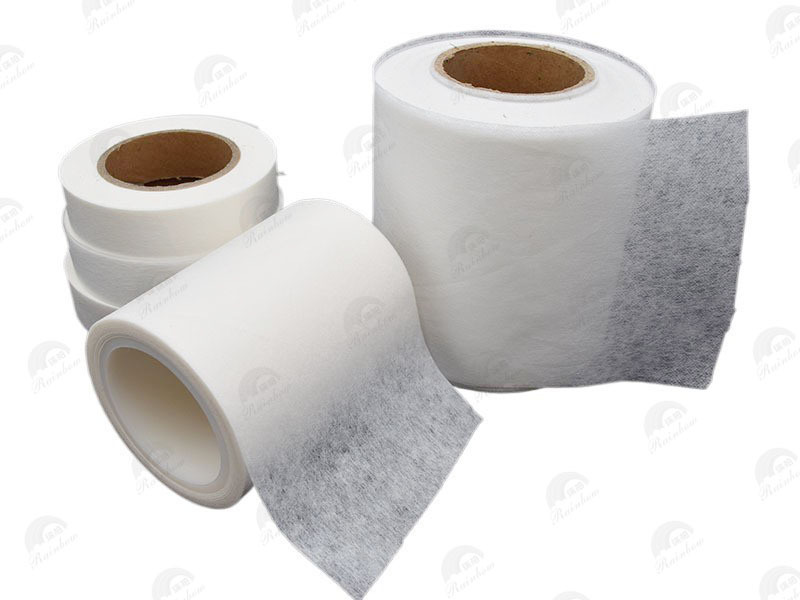
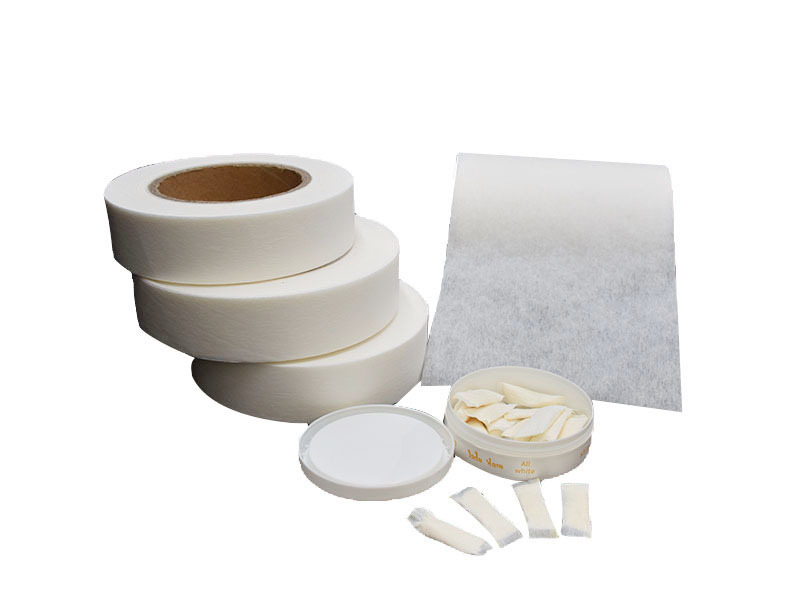
Nonwoven fusible interlining is a crucial material in the textile and apparel industry, particularly when it comes to enhancing the structure and durability of garments. Unlike traditional woven interlinings, nonwoven fusible interlining is made from fibers that are bonded together through mechanical, thermal, or chemical processes. This unique manufacturing approach gives it distinct advantages that make it a preferred choice for many sewing professionals.
One of the primary benefits of nonwoven fusible interlining is its lightweight and flexible nature. This interlining can easily adhere to various fabrics, providing stability without adding unnecessary bulk. It is especially beneficial for delicate fabrics that require support without compromising their drape or appearance. The bonding process ensures that the interlining and the fabric become a single entity, which enhances the longevity of the garment.
The application of nonwoven fusible interlining extends beyond basic garment construction. It is widely used in collar stays, cuffs, and front plackets, where a crisp finish is desired. Additionally, it offers excellent resistance to fraying, thus protecting the edges of cut fabrics and maintaining the garment’s integrity over time. This makes it an ideal choice for creating professional-looking apparel that can withstand regular wear and tear.
Moreover, nonwoven fusible interlining is available in various weights and thicknesses, allowing designers and manufacturers to select the appropriate type for their specific project needs. For instance, lightweight options are perfect for shirts and blouses, while heavier varieties are better suited for structured garments like jackets. The versatility of nonwoven fusible interlining enables it to cater to a wide range of fabric types and styles, making it an essential component in any textile toolkit.
When considering the environmental impact, many manufacturers are now producing eco-friendly nonwoven fusible interlinings, which are made from recycled materials or natural fibers. This aligns with the growing demand for sustainable practices in the fashion industry, allowing businesses to meet consumer expectations for environmentally responsible products.
In conclusion, nonwoven fusible interlining is more than just a supporting material; it plays a vital role in enhancing the overall quality and aesthetic of garments. Understanding its properties and applications can greatly benefit textile professionals in creating high-quality, durable, and stylish products. By incorporating nonwoven fusible interlining into their projects, designers can ensure that their creations not only look good but also stand the test of time.
One of the primary benefits of nonwoven fusible interlining is its lightweight and flexible nature. This interlining can easily adhere to various fabrics, providing stability without adding unnecessary bulk. It is especially beneficial for delicate fabrics that require support without compromising their drape or appearance. The bonding process ensures that the interlining and the fabric become a single entity, which enhances the longevity of the garment.
The application of nonwoven fusible interlining extends beyond basic garment construction. It is widely used in collar stays, cuffs, and front plackets, where a crisp finish is desired. Additionally, it offers excellent resistance to fraying, thus protecting the edges of cut fabrics and maintaining the garment’s integrity over time. This makes it an ideal choice for creating professional-looking apparel that can withstand regular wear and tear.
Moreover, nonwoven fusible interlining is available in various weights and thicknesses, allowing designers and manufacturers to select the appropriate type for their specific project needs. For instance, lightweight options are perfect for shirts and blouses, while heavier varieties are better suited for structured garments like jackets. The versatility of nonwoven fusible interlining enables it to cater to a wide range of fabric types and styles, making it an essential component in any textile toolkit.
When considering the environmental impact, many manufacturers are now producing eco-friendly nonwoven fusible interlinings, which are made from recycled materials or natural fibers. This aligns with the growing demand for sustainable practices in the fashion industry, allowing businesses to meet consumer expectations for environmentally responsible products.
In conclusion, nonwoven fusible interlining is more than just a supporting material; it plays a vital role in enhancing the overall quality and aesthetic of garments. Understanding its properties and applications can greatly benefit textile professionals in creating high-quality, durable, and stylish products. By incorporating nonwoven fusible interlining into their projects, designers can ensure that their creations not only look good but also stand the test of time.
Nonwoven fusible interlining
Latest News


Nantong Rainbow Nonwoven Tech Co.,Ltd.
Telephone:+86-13587673537 +86-15851257231
E-mail:chrislc717@163.com christy@ntrainbow.com
sales1@ntrainbow.com
Address: (No. 88, Sanzong South Road) Group 42, Xichansi Village, Xiting Town, Tongzhou District, Nantong City, Jiangsu Province

Copyright©2024 Nantong Rainbow Technology Co., Ltd. | Powered by www.300.cn
Copyright©2024 Nantong Rainbow Technology Co., Ltd.
Powered by www.300.cn