
Understanding Polyester Interlining for Garment Construction
Release time:
2025-08-27
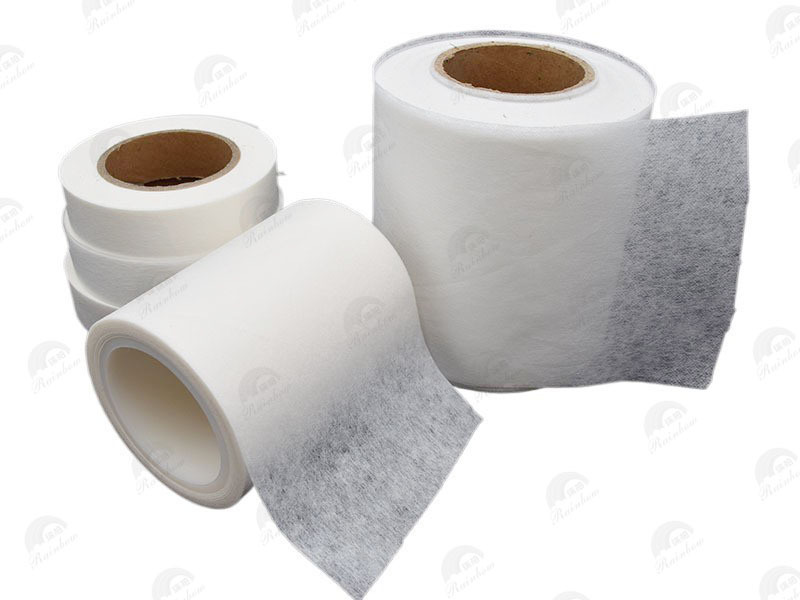
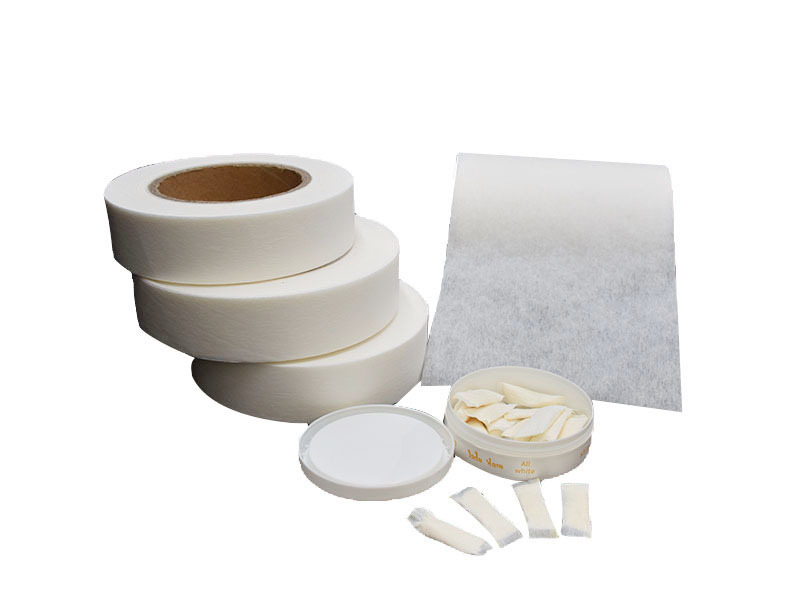
Polyester interlining is a crucial component in the garment manufacturing process, serving as an essential textile material that enhances the structure and appearance of garments. As a type of non-woven fabric, polyester interlining is primarily used to provide support to various types of clothing, from jackets and coats to shirts and blouses. It plays a significant role in maintaining the desired shape of the fabric while also offering various other benefits.
One of the primary advantages of polyester interlining is its lightweight nature. This characteristic allows it to be easily incorporated into garments without adding unnecessary bulk. As a result, designers and manufacturers can achieve a streamlined look while still providing the necessary support for the fabric. Additionally, polyester interlining is often chosen for its excellent draping qualities, helping garments to fall gracefully and enhancing overall aesthetics.
Durability is another key feature of polyester interlining. This material is known for its resistance to wear and tear, making it suitable for garments that undergo frequent use. Polyester interlining can withstand washing and drying cycles better than many natural fibers, ensuring that the garments maintain their shape and structure over time. This resilience makes it a popular choice for both high-quality fashion pieces and everyday wear.
Furthermore, polyester interlining is available in various weights and thicknesses, allowing manufacturers to choose the right type for specific garment applications. Lighter interlinings can be used for delicate fabrics, while heavier varieties may be suitable for more robust outerwear. This versatility ensures that designers can cater to a wide range of styles and fabric types, enhancing the creative possibilities in garment construction.
In terms of applications, polyester interlining is commonly used in tailored garments such as suits and blazers, where it provides the necessary support and structure for collars, lapels, and cuffs. It is also used in casual wear to help maintain the shape of garments that may be subjected to movement, ensuring that they look polished and professional at all times.
Moreover, polyester interlining can be fused to the exterior fabric, providing a seamless finish that enhances the overall look of the garment. This fusing technique not only simplifies the manufacturing process but also contributes to the longevity of the garment, making it a valuable choice for textile manufacturers.
In summary, polyester interlining is an indispensable material in the garment industry, offering lightweight support, durability, and versatility. Its ability to enhance the structure and aesthetic of garments makes it an essential component for designers and manufacturers alike. Understanding the benefits and applications of polyester interlining can help you make informed decisions in your garment production processes, ultimately leading to higher-quality finished products.
One of the primary advantages of polyester interlining is its lightweight nature. This characteristic allows it to be easily incorporated into garments without adding unnecessary bulk. As a result, designers and manufacturers can achieve a streamlined look while still providing the necessary support for the fabric. Additionally, polyester interlining is often chosen for its excellent draping qualities, helping garments to fall gracefully and enhancing overall aesthetics.
Durability is another key feature of polyester interlining. This material is known for its resistance to wear and tear, making it suitable for garments that undergo frequent use. Polyester interlining can withstand washing and drying cycles better than many natural fibers, ensuring that the garments maintain their shape and structure over time. This resilience makes it a popular choice for both high-quality fashion pieces and everyday wear.
Furthermore, polyester interlining is available in various weights and thicknesses, allowing manufacturers to choose the right type for specific garment applications. Lighter interlinings can be used for delicate fabrics, while heavier varieties may be suitable for more robust outerwear. This versatility ensures that designers can cater to a wide range of styles and fabric types, enhancing the creative possibilities in garment construction.
In terms of applications, polyester interlining is commonly used in tailored garments such as suits and blazers, where it provides the necessary support and structure for collars, lapels, and cuffs. It is also used in casual wear to help maintain the shape of garments that may be subjected to movement, ensuring that they look polished and professional at all times.
Moreover, polyester interlining can be fused to the exterior fabric, providing a seamless finish that enhances the overall look of the garment. This fusing technique not only simplifies the manufacturing process but also contributes to the longevity of the garment, making it a valuable choice for textile manufacturers.
In summary, polyester interlining is an indispensable material in the garment industry, offering lightweight support, durability, and versatility. Its ability to enhance the structure and aesthetic of garments makes it an essential component for designers and manufacturers alike. Understanding the benefits and applications of polyester interlining can help you make informed decisions in your garment production processes, ultimately leading to higher-quality finished products.
polyester interlining for garment
Latest News


Nantong Rainbow Nonwoven Tech Co.,Ltd.
Telephone:+86-13587673537 +86-15851257231
E-mail:chrislc717@163.com christy@ntrainbow.com
sales1@ntrainbow.com
Address: (No. 88, Sanzong South Road) Group 42, Xichansi Village, Xiting Town, Tongzhou District, Nantong City, Jiangsu Province

Copyright©2024 Nantong Rainbow Technology Co., Ltd. | Powered by www.300.cn
Copyright©2024 Nantong Rainbow Technology Co., Ltd.
Powered by www.300.cn