
Enhancing Durability in Industrial Applications: The Role of GRS Nonwoven Fabric
Release time:
2025-08-26
How GRS Nonwoven Fabric Enhances Durability in Industrial Applications
Table of Contents
- Introduction to GRS Nonwoven Fabric
- What is GRS Nonwoven Fabric?
- Key Properties of GRS Nonwoven Fabric
- Advantages of Using GRS Nonwoven Fabric in Industry
- Industrial Applications of GRS Nonwoven Fabric
- Case Studies: Success Stories
- Sustainability and Environmental Considerations
- Frequently Asked Questions
- Conclusion: The Future of GRS Nonwoven Fabric in Industry
Introduction to GRS Nonwoven Fabric
In the evolving landscape of industrial materials, the need for durability and resilience has led to the widespread adoption of GRS Nonwoven Fabric. This innovative fabric provides unparalleled strength and versatility, making it an essential component in various industrial applications. As industries seek materials that can withstand rigorous environments, GRS Nonwoven Fabric rises to the challenge, delivering performance that exceeds traditional fabric options.
What is GRS Nonwoven Fabric?
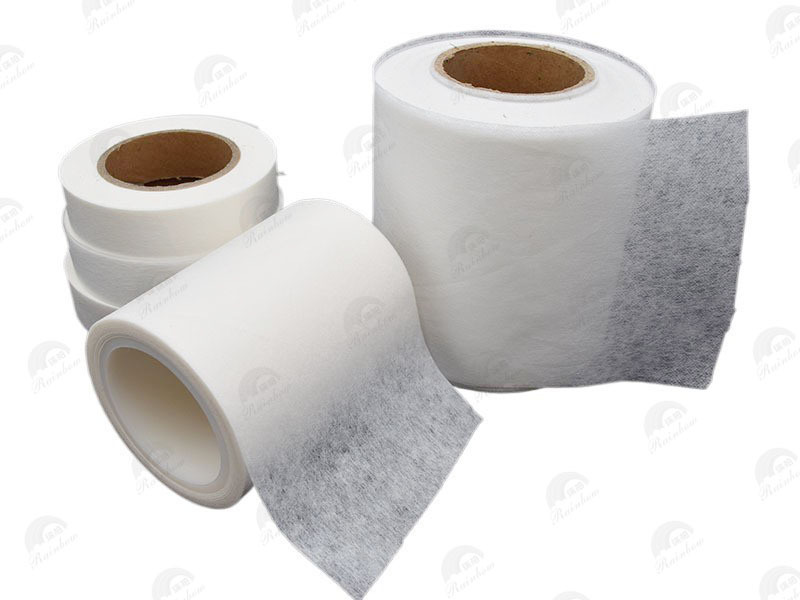
GRS Nonwoven Fabric refers to nonwoven materials certified by the Global Recycled Standard (GRS). These fabrics are manufactured from recycled materials, ensuring a sustainable approach to production. GRS Nonwoven Fabric is created through a process that interlocks fibers together, resulting in a durable, lightweight, and versatile product. This unique construction allows the fabric to maintain its integrity under stress, making it suitable for various demanding applications.
Key Properties of GRS Nonwoven Fabric
1. Strength and Durability
One of the standout features of GRS Nonwoven Fabric is its impressive strength. The fibers are bonded in such a way that they provide excellent tensile strength, making them resistant to tearing and fraying. This durability is crucial in industrial settings where materials are exposed to heavy wear and mechanical stress.
2. Chemical Resistance
Many industrial applications require materials that can withstand harsh chemicals. GRS Nonwoven Fabric is designed to resist various chemical agents, preventing degradation and ensuring longevity in environments where exposure to oils, solvents, and acids is common.
3. Moisture Management
GRS Nonwoven Fabric possesses inherent moisture-wicking properties, allowing it to manage moisture effectively. This feature is vital in industries where moisture build-up can lead to mildew, mold, or other detrimental effects. By promoting quick drying and breathability, GRS Nonwoven Fabric helps maintain optimal conditions in various applications.
4. Lightweight and Versatile
Despite its robust nature, GRS Nonwoven Fabric is lightweight, making it easy to handle and install in various settings. This versatility allows it to be used in a broad range of applications, from filtration systems to geotextiles and beyond.
Advantages of Using GRS Nonwoven Fabric in Industry
1. Cost-Effectiveness
Investing in GRS Nonwoven Fabric can lead to significant savings in the long run. Its durability reduces the need for frequent replacements, leading to lower overall material costs. Additionally, its lightweight nature can reduce shipping and handling expenses, further enhancing cost-effectiveness.
2. Environmental Benefits
As a product made from recycled materials, GRS Nonwoven Fabric contributes to sustainability efforts within industries. By utilizing recycled fibers, businesses can reduce their carbon footprint and promote environmentally friendly practices, making it an attractive choice for eco-conscious companies.
3. Customization Options
GRS Nonwoven Fabric can be tailored to meet the specific needs of different industries. Manufacturers can adjust the fabric's thickness, density, and other physical properties to create a product that perfectly fits their requirements. This customization ensures that businesses receive a solution that meets their unique challenges.
4. Easy Maintenance
The maintenance of GRS Nonwoven Fabric is straightforward. Its durability ensures it can withstand regular cleaning processes without deteriorating, making it a practical choice for applications where hygiene is critical, such as in medical and food industries.
Industrial Applications of GRS Nonwoven Fabric
1. Filtration
One of the most significant applications of GRS Nonwoven Fabric is in filtration systems. Its unique properties allow it to effectively filter out particles, making it suitable for air and liquid filtration. Various industries, including water treatment and HVAC systems, rely on this fabric to maintain efficiency and purity.
2. Construction and Geotextiles
In the construction industry, GRS Nonwoven Fabric serves as a reliable geotextile. It provides separation, filtration, and drainage solutions that enhance soil stability and prevent erosion. This application is crucial for infrastructure projects, ensuring durability and longevity.
3. Automotive Industry
GRS Nonwoven Fabric is also gaining traction in the automotive sector. Its lightweight and durable nature makes it an ideal choice for interior components, sound insulation, and filtration elements, contributing to overall vehicle performance and comfort.
4. Medical Applications
In the medical field, GRS Nonwoven Fabric is utilized for surgical gowns, masks, and other hygiene products. Its barrier properties and resistance to fluids make it an essential material in healthcare settings, ensuring protection for both patients and medical staff.
Case Studies: Success Stories
1. Water Filtration Systems
A leading water treatment facility implemented GRS Nonwoven Fabric in their filtration systems, resulting in a 30% improvement in efficiency. The fabric's ability to filter out smaller particles led to cleaner water, meeting regulatory standards with ease.
2. Road Construction Projects
In a large-scale road construction project, GRS Nonwoven Fabric was used as a geotextile barrier. The result was a significant reduction in soil erosion and stabilization of the roadbed, ultimately leading to reduced maintenance costs over time.
Sustainability and Environmental Considerations
As businesses increasingly prioritize sustainability, GRS Nonwoven Fabric stands out as a model of eco-conscious manufacturing. By using recycled materials, this fabric not only reduces waste but also promotes a circular economy. Industries that adopt GRS Nonwoven Fabric demonstrate leadership in sustainable practices, aligning with consumer demands for responsible sourcing and environmental stewardship.
Frequently Asked Questions
1. What makes GRS Nonwoven Fabric different from traditional fabrics?
GRS Nonwoven Fabric is made from recycled materials and features a unique bonding process that enhances its strength and durability, making it more suitable for industrial applications compared to traditional woven fabrics.
2. Is GRS Nonwoven Fabric environmentally friendly?
Yes, GRS Nonwoven Fabric is environmentally friendly as it is produced from recycled materials and helps reduce waste, aligning with sustainability initiatives.
3. Can GRS Nonwoven Fabric be customized for specific applications?
Absolutely! GRS Nonwoven Fabric can be tailored in terms of thickness, density, and other properties to meet the specific needs of various industrial applications.
4. What industries benefit from GRS Nonwoven Fabric?
GRS Nonwoven Fabric is beneficial in numerous industries, including filtration, construction, automotive, and healthcare, due to its durability and versatile properties.
5. How does GRS Nonwoven Fabric perform in high-stress environments?
GRS Nonwoven Fabric excels in high-stress environments, with its tensile strength and chemical resistance ensuring that it maintains its integrity under challenging conditions.
Conclusion: The Future of GRS Nonwoven Fabric in Industry
As industries continue to seek innovative solutions for durability and sustainability, GRS Nonwoven Fabric emerges as a frontrunner. Its unique combination of strength, chemical resistance, and lightweight construction makes it an invaluable asset across various sectors. With a focus on environmental responsibility and customized applications, GRS Nonwoven Fabric is poised to play a significant role in shaping the future of industrial materials. Adopting this advanced fabric not only enhances operational efficiency but also supports a sustainable future, making it a smart choice for businesses committed to excellence.
GRS Nonwoven Fabric
Latest News


Nantong Rainbow Nonwoven Tech Co.,Ltd.
Telephone:+86-13587673537 +86-15851257231
E-mail:chrislc717@163.com christy@ntrainbow.com
sales1@ntrainbow.com
Address: (No. 88, Sanzong South Road) Group 42, Xichansi Village, Xiting Town, Tongzhou District, Nantong City, Jiangsu Province

Copyright©2024 Nantong Rainbow Technology Co., Ltd. | Powered by www.300.cn
Copyright©2024 Nantong Rainbow Technology Co., Ltd.
Powered by www.300.cn