
The Unmatched Benefits of Utilizing Fusible Scatter Coating in Nonwoven Interlining
Release time:
2025-07-23
The Unmatched Benefits of Utilizing Fusible Scatter Coating in Nonwoven Interlining
Table of Contents
- Introduction to Fusible Scatter Coating
- Understanding Nonwoven Interlining
- What is Fusible Scatter Coating?
- Advantages of Fusible Scatter Coating for Nonwoven Interlining
- Applications of Fusible Scatter Coating
- How to Properly Apply Fusible Scatter Coating
- Challenges and Solutions in Using Fusible Scatter Coating
- Frequently Asked Questions
- Conclusion
Introduction to Fusible Scatter Coating
Fusible scatter coating, a pioneering technique in the textile industry, is revolutionizing how we approach nonwoven interlining. This innovative method offers numerous benefits that improve the quality of fabrics and enhance their usability. By focusing on the unique attributes of fusible scatter coating, we can understand its significance in modern textile applications.
Understanding Nonwoven Interlining
Nonwoven interlining serves as a critical component in garment manufacturing. It acts as a stabilizer, providing structure and support to various textiles. Nonwoven interlinings are made by bonding fibers through mechanical, thermal, or chemical means, creating a fabric that does not require weaving or knitting. This process leads to numerous advantages, such as lightweight construction, breathability, and excellent adhesion properties.
What is Fusible Scatter Coating?
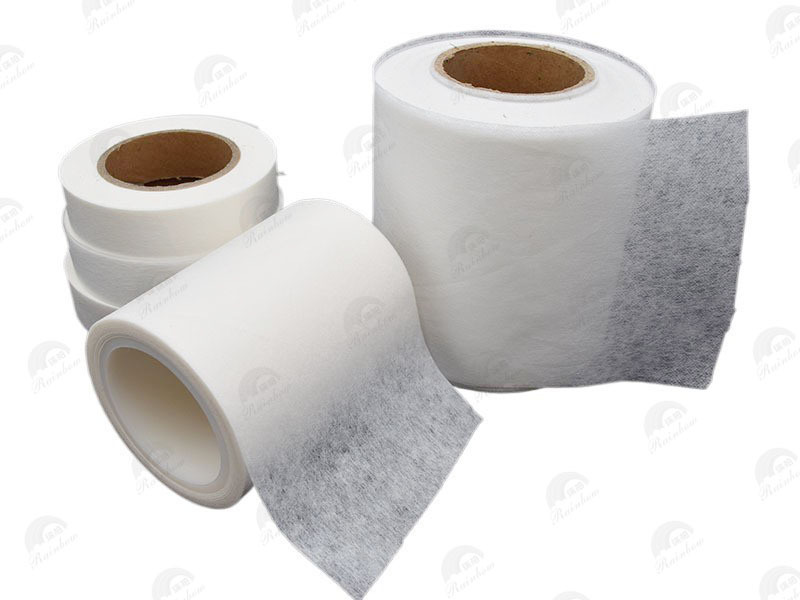
Fusible scatter coating refers to the application of a heat-activated adhesive on one side of a nonwoven fabric. This adhesive is designed to bond effectively with other textile materials when heat and pressure are applied. The scatter coating technique involves distributing adhesive in a specific pattern, allowing for more controlled application and enhanced performance in the final product.
Advantages of Fusible Scatter Coating for Nonwoven Interlining
Fusible scatter coating brings a plethora of advantages to nonwoven interlining, making it a preferred choice for manufacturers and designers alike. Below, we delve into some of the most significant benefits.
Enhanced Stability and Durability
One of the primary advantages of fusible scatter coating is **enhanced stability**. The adhesive provides a secure bond between layers of fabric, preventing sagging or stretching during wear. This ensures that garments maintain their shape and structure over time, resulting in durable products that withstand regular use.
Improved Fabric Handling and Comfort
Fusible scatter coating not only reinforces stability but also **improves fabric handling**. The coated nonwoven interlining drapes better and offers a smoother finish. This translates to increased comfort for the wearer, as fabrics behave more predictably and conform to body movements without compromising style.
Versatility in Design
The **versatility of fusible scatter coating** is another significant benefit. Manufacturers can apply this technique to various fabrics, including synthetics and natural fibers. Moreover, the controlled application allows designers to create intricate patterns and textures, making it an excellent choice for fashion-forward garments.
Applications of Fusible Scatter Coating
Fusible scatter coating is utilized across multiple sectors within the textile industry. Its flexibility allows it to be used in:
- **Apparel Manufacturing**: Dress shirts, jackets, and tailored garments benefit from the enhanced structure provided by fusible scatter coating.
- **Home Textiles**: Curtains, upholstery, and bedding can achieve a more polished finish and durability with coated nonwoven interlining.
- **Automotive Textiles**: Fusible scatter coated fabrics are used in car interiors for their enhanced resistance to wear and tear.
How to Properly Apply Fusible Scatter Coating
Applying fusible scatter coating requires careful attention to detail to maximize its benefits. Here’s a step-by-step guide:
1. **Preparation**: Ensure the fabric surfaces are clean and dry. This step is crucial for achieving a strong bond.
2. **Heat Settings**: Set the heat press to the appropriate temperature based on the fabric type and adhesive specifications.
3. **Application**: Place the fusible scatter coated side against the other fabric layer. Apply even pressure across the surface while heating to activate the adhesive.
4. **Cooling**: Allow the bonded fabric to cool before further handling. This cooling period ensures a strong adhesion between layers.
Challenges and Solutions in Using Fusible Scatter Coating
Despite its advantages, some challenges may arise when using fusible scatter coating. Understanding these potential issues and their solutions can enhance the overall application process.
- **Adhesive Displacement**: Sometimes, excess adhesive can lead to visible marks. To mitigate this, ensure proper heat application and use precise amounts of adhesive.
- **Fabric Compatibility**: Not all fabrics react the same way to fusible scatter coating. Conducting test applications on fabric swatches can help identify the best combinations.
- **Layering Issues**: When layering different fabrics, careful consideration of weight and texture is necessary to achieve the desired outcome. Always prioritize compatibility.
Frequently Asked Questions
1. What types of fabrics work best with fusible scatter coating?
Fusible scatter coating works well with a range of fabrics, including cotton, polyester, and blends. Testing with fabric swatches is recommended to ensure compatibility.
2. Is there a specific heat setting for applying fusible scatter coating?
Heat settings vary based on the adhesive and fabric type. Typically, settings range between 120°C to 180°C, but always refer to the manufacturer’s guidelines for optimum results.
3. Can fusible scatter coating affect the drape of the fabric?
Yes, fusible scatter coating enhances the drape of the fabric by providing additional structure without compromising flexibility.
4. How long does the adhesive last once applied?
When applied correctly, the adhesive should maintain its integrity for the lifetime of the garment, providing durability and stability.
5. Can fusible scatter coating be used for outdoor fabrics?
Yes, fusible scatter coating can be used for outdoor fabrics. However, it's essential to choose an adhesive that is resistant to environmental factors such as moisture and UV exposure.
Conclusion
In conclusion, fusible scatter coating stands out as an innovative solution for enhancing the quality of nonwoven interlining in textiles. Its myriad benefits, including stability, improved comfort, and design versatility, make it an essential component in modern textile applications. As manufacturers and designers continue to explore new ways to create superior products, the strategic use of fusible scatter coating will undoubtedly play a pivotal role in shaping the future of textiles. Embracing this technology not only ensures high-quality results but also positions brands at the forefront of the competitive textile industry.
fusible scatter coating Nonwoven interlining
Latest News


Nantong Rainbow Nonwoven Tech Co.,Ltd.
Telephone:+86-13587673537 +86-15851257231
E-mail:chrislc717@163.com christy@ntrainbow.com
sales1@ntrainbow.com
Address: (No. 88, Sanzong South Road) Group 42, Xichansi Village, Xiting Town, Tongzhou District, Nantong City, Jiangsu Province

Copyright©2024 Nantong Rainbow Technology Co., Ltd. | Powered by www.300.cn
Copyright©2024 Nantong Rainbow Technology Co., Ltd.
Powered by www.300.cn