
Understanding Chemical Bonded Nonwoven Interlining Fabric: Key Insights for Professionals
Release time:
2025-07-22
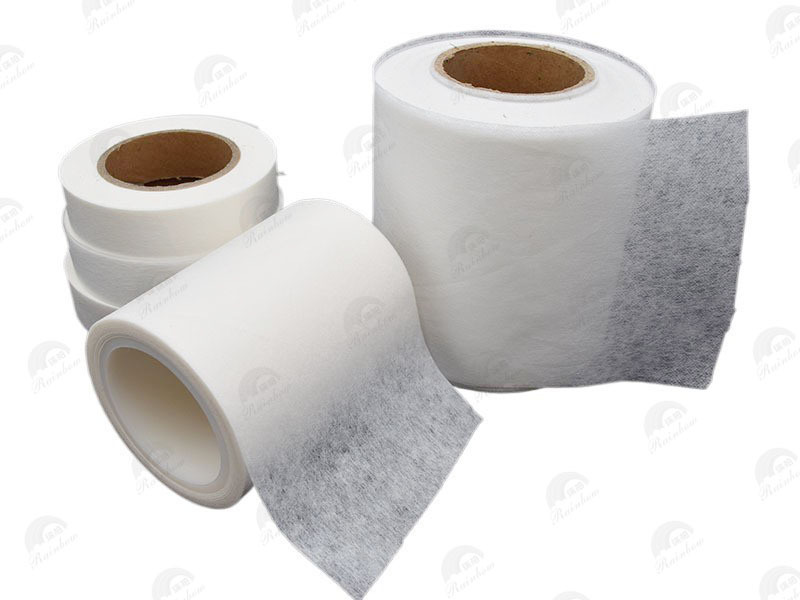
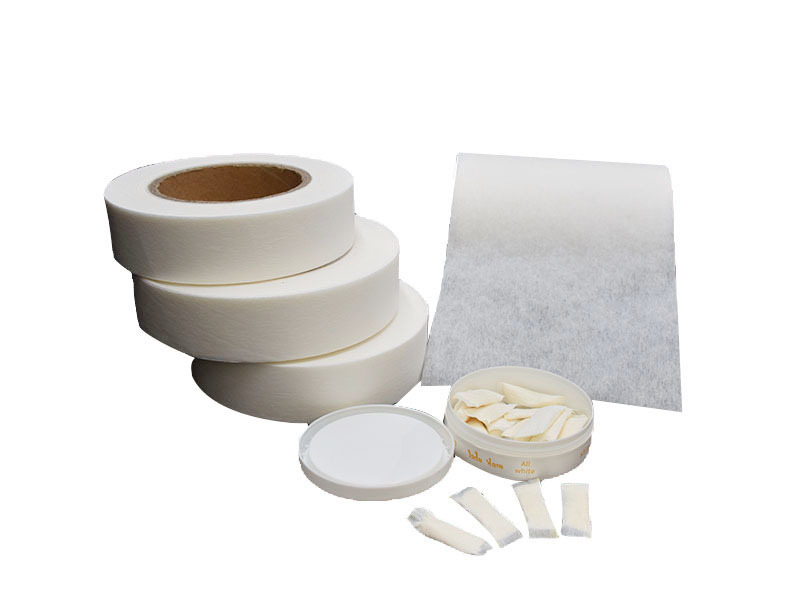
Chemical bonded nonwoven interlining fabric is a crucial component in the textile industry, particularly in the production of garments and other fabric-based products. This innovative material is created through a unique bonding process that utilizes chemicals to adhere fibers together, resulting in a fabric that is both strong and versatile. Understanding the characteristics and applications of this type of interlining can significantly benefit professionals working in textile and garment manufacturing.
One of the standout features of chemical bonded nonwoven interlining fabric is its strength and durability. The chemical bonding process enhances the fabric's resistance to tearing and fraying, making it ideal for use in various applications, including shirts, jackets, and outerwear. Additionally, this type of interlining provides excellent support and stability to fabrics, which is essential for maintaining the structure and shape of garments.
Another advantage of chemical bonded nonwoven interlining is its lightweight nature. Unlike traditional woven interlinings, which can add bulk to garments, this nonwoven option allows for a sleek and streamlined finish. This characteristic is particularly valuable in modern fashion, where the trend leans towards lightweight and breathable materials. The flexibility of chemical bonded nonwoven interlining enables designers to create garments that are not only stylish but also comfortable for the wearer.
In terms of applications, chemical bonded nonwoven interlining fabric can be used in various sectors of textile production. It is often utilized in dressmaking, where the requirements for draping and shaping are crucial. Additionally, it finds use in home textiles, such as curtains and upholstery, where stability and support are equally important. The ability to customize the weight and thickness of the fabric allows manufacturers to tailor it to specific project needs, further enhancing its versatility.
Moreover, chemical bonded nonwoven interlining is compatible with various finishing processes, including lamination and coating, which can add additional features such as water resistance or enhanced softness. This adaptability makes it an excellent choice for manufacturers looking to innovate and differentiate their products in a competitive market.
In conclusion, chemical bonded nonwoven interlining fabric is an essential material for professionals in the textile industry. Its durability, lightweight nature, and versatility make it a go-to solution for a wide range of applications. By incorporating this innovative fabric into your production processes, you can achieve greater efficiency and quality in your textile projects. Understanding its properties and potential uses will enable you to leverage its benefits effectively, ensuring that your products meet the demands of modern consumers.
One of the standout features of chemical bonded nonwoven interlining fabric is its strength and durability. The chemical bonding process enhances the fabric's resistance to tearing and fraying, making it ideal for use in various applications, including shirts, jackets, and outerwear. Additionally, this type of interlining provides excellent support and stability to fabrics, which is essential for maintaining the structure and shape of garments.
Another advantage of chemical bonded nonwoven interlining is its lightweight nature. Unlike traditional woven interlinings, which can add bulk to garments, this nonwoven option allows for a sleek and streamlined finish. This characteristic is particularly valuable in modern fashion, where the trend leans towards lightweight and breathable materials. The flexibility of chemical bonded nonwoven interlining enables designers to create garments that are not only stylish but also comfortable for the wearer.
In terms of applications, chemical bonded nonwoven interlining fabric can be used in various sectors of textile production. It is often utilized in dressmaking, where the requirements for draping and shaping are crucial. Additionally, it finds use in home textiles, such as curtains and upholstery, where stability and support are equally important. The ability to customize the weight and thickness of the fabric allows manufacturers to tailor it to specific project needs, further enhancing its versatility.
Moreover, chemical bonded nonwoven interlining is compatible with various finishing processes, including lamination and coating, which can add additional features such as water resistance or enhanced softness. This adaptability makes it an excellent choice for manufacturers looking to innovate and differentiate their products in a competitive market.
In conclusion, chemical bonded nonwoven interlining fabric is an essential material for professionals in the textile industry. Its durability, lightweight nature, and versatility make it a go-to solution for a wide range of applications. By incorporating this innovative fabric into your production processes, you can achieve greater efficiency and quality in your textile projects. Understanding its properties and potential uses will enable you to leverage its benefits effectively, ensuring that your products meet the demands of modern consumers.
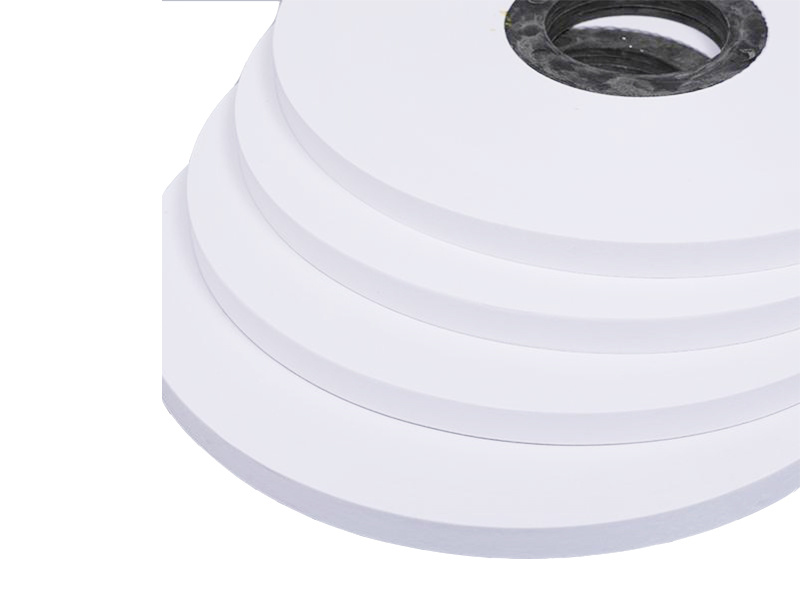
chemical bonded nonwoven interlining fabric
Latest News


Nantong Rainbow Nonwoven Tech Co.,Ltd.
Telephone:+86-13587673537 +86-15851257231
E-mail:chrislc717@163.com christy@ntrainbow.com
sales1@ntrainbow.com
Address: (No. 88, Sanzong South Road) Group 42, Xichansi Village, Xiting Town, Tongzhou District, Nantong City, Jiangsu Province

Copyright©2024 Nantong Rainbow Technology Co., Ltd. | Powered by www.300.cn
Copyright©2024 Nantong Rainbow Technology Co., Ltd.
Powered by www.300.cn