
Understanding GRS Certified Nonwoven Interlining in Textile Applications
Release time:
2025-04-13
In the textile industry, interlining plays a crucial role in enhancing the structure and durability of garments. Among various types, GRS Certified Nonwoven Interlining has gained attention for its eco-friendly credentials and versatile applications. But what exactly does GRS certification mean, and why should professionals in the textile sector care about it?
The Global Recycled Standard (GRS) certification is a comprehensive, voluntary standard that verifies the recycled content of products and ensures responsible social, environmental, and chemical practices throughout the supply chain. When it comes to nonwoven interlining, GRS certification signifies that the material is produced using recycled fibers, which contributes to reducing waste and promoting sustainability in the textile industry.
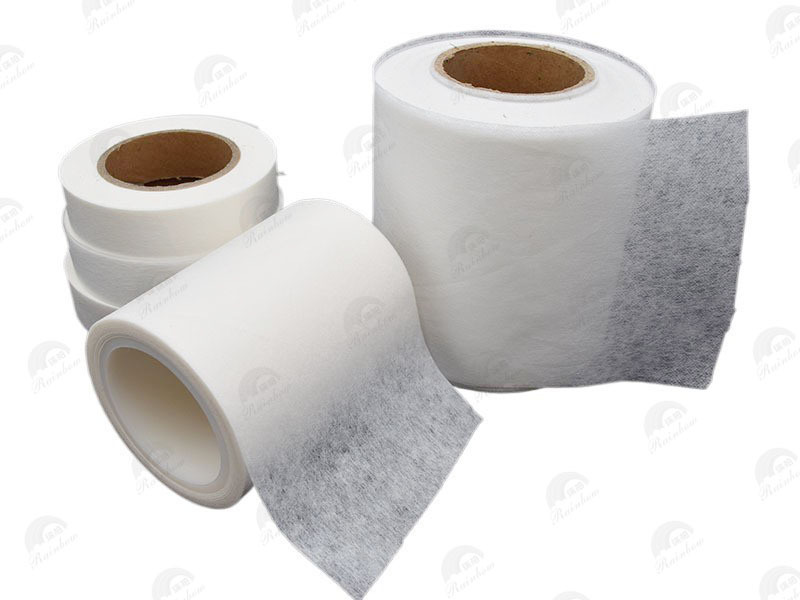
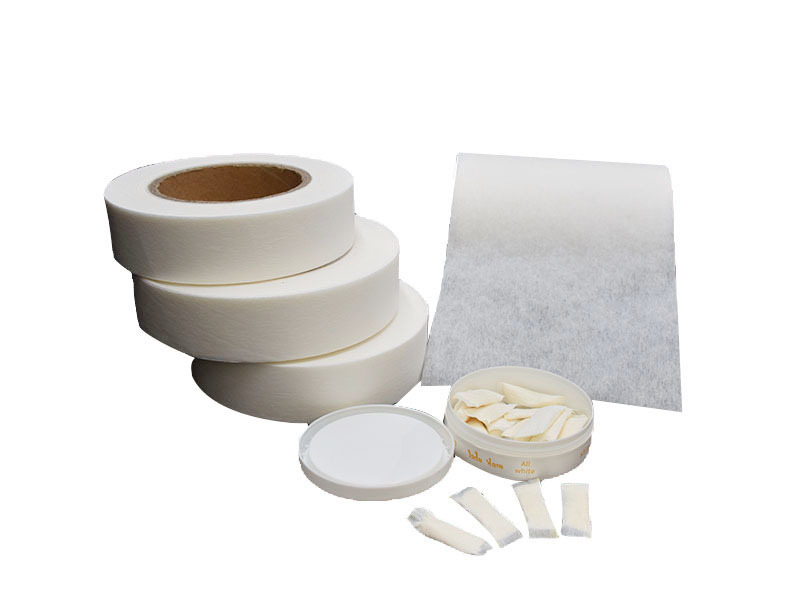
Nonwoven interlining itself is a type of fabric that does not require weaving or knitting. Instead, it is produced by bonding fibers together through mechanical, thermal, or chemical processes. This type of interlining offers several advantages, including lightweight properties, ease of use, and the ability to provide structure and support to various types of fabric. It is commonly used in garments such as jackets, shirts, and tailored suits, where additional support and stability are essential.
The benefits of using GRS Certified Nonwoven Interlining extend beyond just sustainability. When integrating this material into garment production, manufacturers can appeal to an increasingly environmentally conscious consumer base. Shoppers today are more informed and often prefer products that align with their values, particularly concerning environmental responsibility. By utilizing GRS certified materials, brands can enhance their reputation and differentiate themselves in a competitive market.
Moreover, GRS certification can also lead to improved traceability within the supply chain. This transparency is crucial for brands looking to ensure compliance with environmental regulations and promoting ethical manufacturing practices. It allows companies to confidently communicate their commitment to sustainability, an aspect that can significantly influence consumer purchasing decisions.
Using GRS Certified Nonwoven Interlining not only contributes to environmental preservation but also provides a competitive edge in the textile industry. As more consumers seek out sustainable options, incorporating certified materials into product offerings can foster brand loyalty and drive sales.
In conclusion, GRS Certified Nonwoven Interlining represents a vital intersection of textile innovation and sustainability. It meets the demands of modern consumers while promoting responsible production practices. By understanding the importance and benefits of this material, professionals in the textile sector can make informed choices that support both their business goals and environmental initiatives. Embracing GRS certified options is not just a trend; it is a necessary step toward a more sustainable future in fashion and textiles.
The Global Recycled Standard (GRS) certification is a comprehensive, voluntary standard that verifies the recycled content of products and ensures responsible social, environmental, and chemical practices throughout the supply chain. When it comes to nonwoven interlining, GRS certification signifies that the material is produced using recycled fibers, which contributes to reducing waste and promoting sustainability in the textile industry.
Nonwoven interlining itself is a type of fabric that does not require weaving or knitting. Instead, it is produced by bonding fibers together through mechanical, thermal, or chemical processes. This type of interlining offers several advantages, including lightweight properties, ease of use, and the ability to provide structure and support to various types of fabric. It is commonly used in garments such as jackets, shirts, and tailored suits, where additional support and stability are essential.
The benefits of using GRS Certified Nonwoven Interlining extend beyond just sustainability. When integrating this material into garment production, manufacturers can appeal to an increasingly environmentally conscious consumer base. Shoppers today are more informed and often prefer products that align with their values, particularly concerning environmental responsibility. By utilizing GRS certified materials, brands can enhance their reputation and differentiate themselves in a competitive market.
Moreover, GRS certification can also lead to improved traceability within the supply chain. This transparency is crucial for brands looking to ensure compliance with environmental regulations and promoting ethical manufacturing practices. It allows companies to confidently communicate their commitment to sustainability, an aspect that can significantly influence consumer purchasing decisions.
Using GRS Certified Nonwoven Interlining not only contributes to environmental preservation but also provides a competitive edge in the textile industry. As more consumers seek out sustainable options, incorporating certified materials into product offerings can foster brand loyalty and drive sales.
In conclusion, GRS Certified Nonwoven Interlining represents a vital intersection of textile innovation and sustainability. It meets the demands of modern consumers while promoting responsible production practices. By understanding the importance and benefits of this material, professionals in the textile sector can make informed choices that support both their business goals and environmental initiatives. Embracing GRS certified options is not just a trend; it is a necessary step toward a more sustainable future in fashion and textiles.
GRS Certified Nonwoven Interlining
Latest News


Nantong Rainbow Nonwoven Tech Co.,Ltd.
Telephone:+86-13587673537 +86-15851257231
E-mail:chrislc717@163.com christy@ntrainbow.com
sales1@ntrainbow.com
Address: (No. 88, Sanzong South Road) Group 42, Xichansi Village, Xiting Town, Tongzhou District, Nantong City, Jiangsu Province

Copyright©2024 Nantong Rainbow Technology Co., Ltd. | Powered by www.300.cn
Copyright©2024 Nantong Rainbow Technology Co., Ltd.
Powered by www.300.cn