
Exploring the Benefits of GRS Certified Nonwoven Interlining in Textile Production
Release time:
2025-04-12
Exploring the Benefits of GRS Certified Nonwoven Interlining in Textile Production
Table of Contents
- 1. Introduction to GRS Certified Nonwoven Interlining
- 2. What is Nonwoven Interlining?
- 3. The Importance of GRS Certification in Textiles
- 4. Benefits of GRS Certified Nonwoven Interlining
- 4.1 Sustainability and Environmental Benefits
- 4.2 Enhanced Quality and Durability
- 4.3 Versatility in Applications
- 5. Application of GRS Certified Nonwoven Interlining in Textile Manufacturing
- 6. Case Studies: Successful Integration of Nonwoven Interlining
- 7. Challenges and Considerations in Using GRS Certified Nonwoven Interlining
- 8. The Future of Nonwoven Interlining in the Textile Industry
- 9. FAQs about GRS Certified Nonwoven Interlining
- 10. Conclusion
1. Introduction to GRS Certified Nonwoven Interlining
In an era where sustainability dominates the discourse in the textile industry, GRS (Global Recycled Standard) certified nonwoven interlining emerges as a vital component in reshaping textile production. The demand for eco-friendly materials has surged, driven by consumer awareness and regulatory pressures. GRS certification ensures that the materials used in nonwoven interlining are sourced responsibly, recycled where possible, and produced with a minimal environmental footprint. This article explores the multifaceted benefits of GRS certified nonwoven interlining, delving into its applications, quality enhancements, and overarching contribution to sustainable practices in textile manufacturing.
2. What is Nonwoven Interlining?
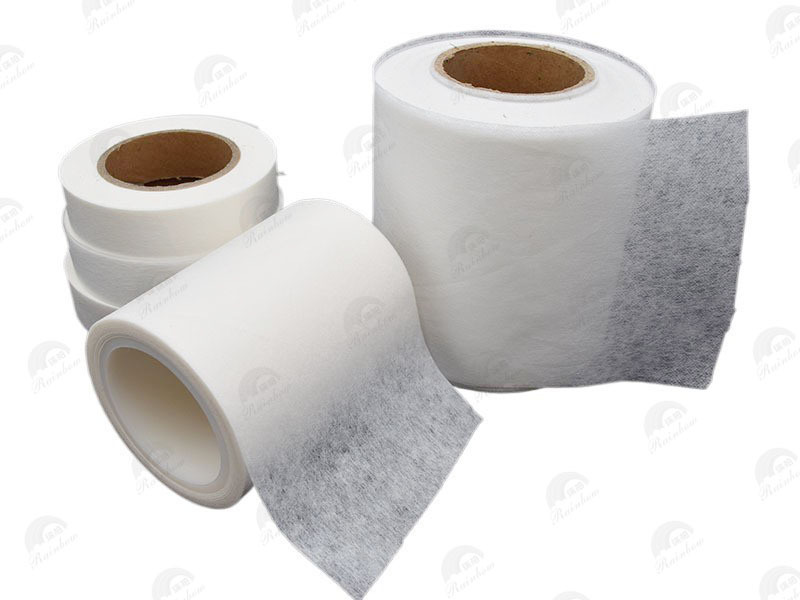
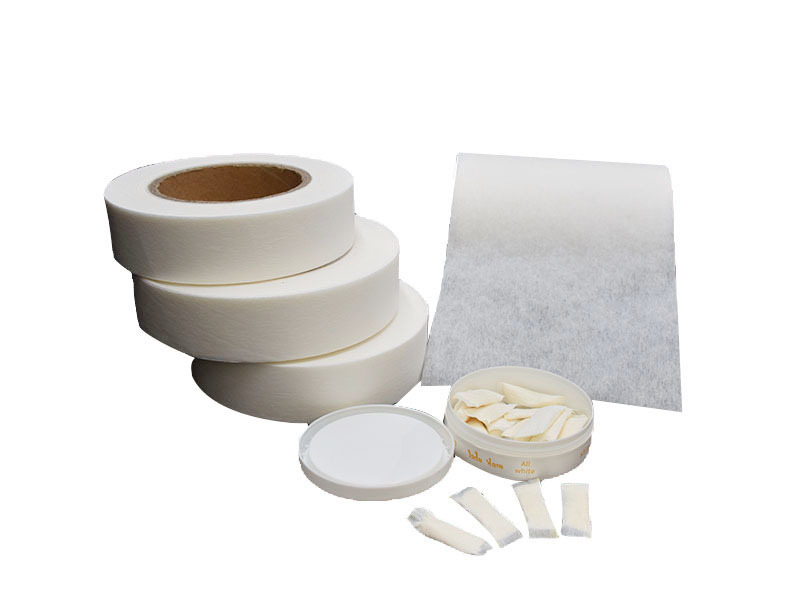
Nonwoven interlining refers to a type of fabric that is bonded together through methods other than weaving or knitting, resulting in a fabric that is typically lighter and more versatile than traditional woven textiles. Commonly used in the garment industry, nonwoven interlining serves various functions, such as providing support, structure, and stability to garments. The introduction of GRS certified nonwoven interlining signals a shift towards more sustainable practices, incorporating recycled materials and ensuring responsible production processes.
3. The Importance of GRS Certification in Textiles
GRS certification plays a crucial role in promoting sustainable production practices. This certification not only verifies the recycled content of materials but also ensures compliance with environmental and social standards throughout the supply chain. For textile manufacturers, obtaining GRS certification can enhance brand reputation, build consumer trust, and open doors to new markets focused on sustainability. Moreover, it encourages the adoption of innovative technologies and processes aimed at reducing waste and conserving resources.
4. Benefits of GRS Certified Nonwoven Interlining
Understanding the benefits of GRS certified nonwoven interlining is essential for manufacturers aiming to integrate sustainability into their production processes.
4.1 Sustainability and Environmental Benefits
One of the most significant advantages of GRS certified nonwoven interlining is its contribution to sustainability. By utilizing recycled materials, manufacturers can significantly reduce their reliance on virgin resources, thus minimizing waste. GRS certification ensures that the entire production process adheres to strict environmental standards, promoting responsible water usage, waste management, and reduced carbon emissions. This commitment to sustainability not only appeals to eco-conscious consumers but also helps businesses comply with increasingly stringent regulations.
4.2 Enhanced Quality and Durability
Beyond its sustainability attributes, GRS certified nonwoven interlining is known for its superior quality and durability. The nonwoven manufacturing process allows for uniform distribution of fibers, resulting in a fabric that maintains its shape and structure over time. This quality makes it particularly suitable for high-stress applications in garments, ensuring that products withstand wear and tear while retaining their aesthetic appeal. Manufacturers can leverage this quality to produce garments that are not only eco-friendly but also long-lasting.
4.3 Versatility in Applications
GRS certified nonwoven interlining is incredibly versatile, making it suitable for a wide range of applications in the textile industry. From casual wear to formal attire, this interlining can be used in various garment types, including shirts, jackets, and trousers. Its lightweight nature allows for ease of handling and application, while its strength ensures that it provides the necessary support without adding bulk. This versatility opens new avenues for creativity in garment design and production.
5. Application of GRS Certified Nonwoven Interlining in Textile Manufacturing
Integrating GRS certified nonwoven interlining into textile manufacturing involves several considerations and techniques. The application process typically requires careful selection of interlining thickness and composition based on the specific garment requirements. Additionally, manufacturers must ensure that the bonding techniques used are compatible with the interlining materials to achieve optimal results.
From the initial design phase to the final production stages, the use of GRS certified nonwoven interlining can elevate the overall quality of garments. The interlining can be strategically placed in areas requiring additional support, such as collars, cuffs, and waistbands, enhancing the garment’s structure. Moreover, manufacturers can experiment with different fabric combinations to create innovative, eco-friendly products that appeal to consumers who prioritize sustainability.
6. Case Studies: Successful Integration of Nonwoven Interlining
Several textile manufacturers have successfully integrated GRS certified nonwoven interlining into their production processes, yielding positive results. For instance, a renowned fashion brand recently transitioned to using GRS certified interlining in their spring collection. This shift not only improved the sustainability profile of their garments but also received accolades from consumers and environmental organizations alike.
Another case study involves a mid-size garment manufacturer that adopted GRS certified nonwoven interlining. By doing so, they enhanced their product offerings and gained a competitive edge in the market. The reduced environmental impact allowed them to market their products as eco-conscious, appealing to a growing demographic of environmentally aware consumers.
These case studies exemplify how GRS certified nonwoven interlining can drive both sustainability and marketability in the textile industry.
7. Challenges and Considerations in Using GRS Certified Nonwoven Interlining
While the benefits of GRS certified nonwoven interlining are substantial, manufacturers must also be aware of potential challenges. Sourcing high-quality, GRS certified materials can sometimes be difficult, depending on supplier availability and market demand. Additionally, there may be initial costs associated with switching to GRS certified products, which can deter some manufacturers from making the transition.
Moreover, training staff to work with new materials and ensuring quality control throughout the production process are critical to achieving desired outcomes. Manufacturers should invest in research and development to address these challenges, ultimately facilitating a smoother integration of GRS certified nonwoven interlining into their operations.
8. The Future of Nonwoven Interlining in the Textile Industry
The future of nonwoven interlining in the textile industry looks promising, especially as consumer demand for sustainable products continues to grow. Innovations in textile technology are likely to enhance the quality and sustainability of nonwoven interlining, paving the way for new applications and creative designs.
Furthermore, as regulatory frameworks become more stringent, businesses that prioritize sustainability through GRS certified materials will likely see an increase in market share. The ongoing development of eco-friendly practices will not only benefit manufacturers but also contribute to a healthier planet.
9. FAQs about GRS Certified Nonwoven Interlining
What is GRS certification?
GRS certification is a global standard that verifies the recycled content of products and ensures compliance with environmental and social criteria throughout the supply chain.
How does GRS certified nonwoven interlining differ from traditional interlining?
GRS certified nonwoven interlining is made from recycled materials and adheres to strict environmental standards, whereas traditional interlining may not have environmentally friendly components.
What are the common applications of GRS certified nonwoven interlining?
Common applications include shirts, jackets, trousers, and various garments requiring structural support.
Are there any downsides to using GRS certified nonwoven interlining?
Challenges may include sourcing the material, initial costs associated with switching, and the need for staff training and quality control.
How can manufacturers ensure a successful transition to GRS certified nonwoven interlining?
Manufacturers should invest in research and development, training staff, and building strong relationships with certified suppliers to facilitate a successful transition.
10. Conclusion
The adoption of GRS certified nonwoven interlining marks a significant advancement in the textile production landscape, aligning manufacturing practices with the growing demand for sustainability. By leveraging the numerous benefits offered by GRS certification, manufacturers can enhance product quality, appeal to environmentally conscious consumers, and contribute positively to the planet. As the textile industry continues to evolve, embracing innovative materials like GRS certified nonwoven interlining will be pivotal in shaping a sustainable future for textiles.
GRS Certified Nonwoven Interlining
Latest News


Nantong Rainbow Nonwoven Tech Co.,Ltd.
Telephone:+86-13587673537 +86-15851257231
E-mail:chrislc717@163.com christy@ntrainbow.com
sales1@ntrainbow.com
Address: (No. 88, Sanzong South Road) Group 42, Xichansi Village, Xiting Town, Tongzhou District, Nantong City, Jiangsu Province

Copyright©2024 Nantong Rainbow Technology Co., Ltd. | Powered by www.300.cn
Copyright©2024 Nantong Rainbow Technology Co., Ltd.
Powered by www.300.cn