
Understanding Fusible Scatter Coating Nonwoven Interlining: A Guide for Textile Professionals
Release time:
2025-04-07
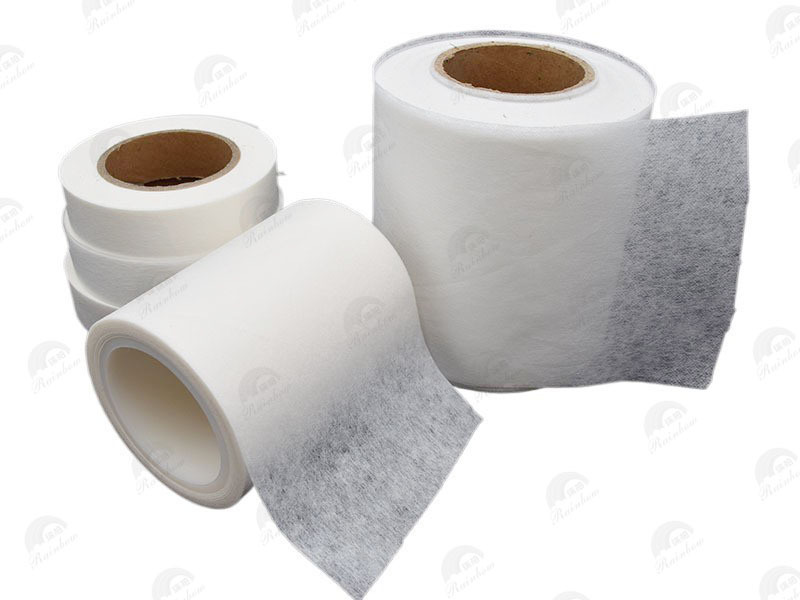
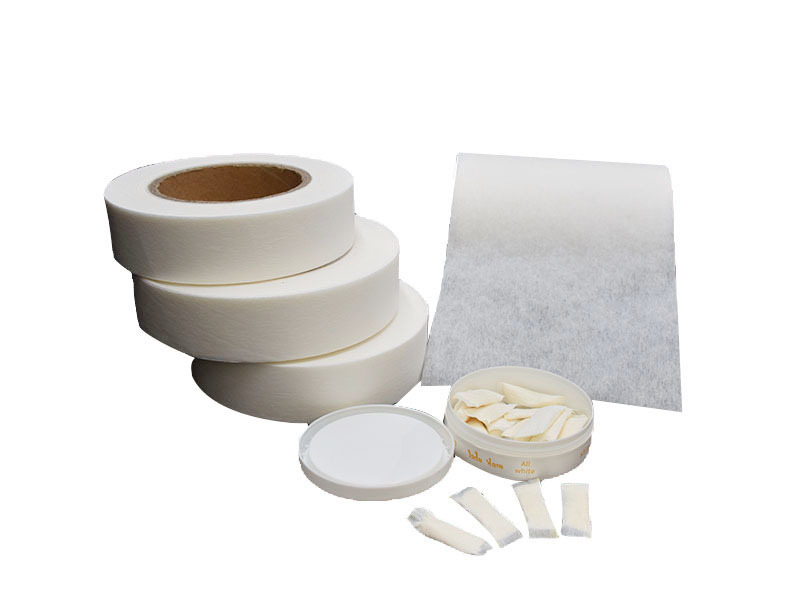
Fusible scatter coating nonwoven interlining is an innovative material that plays a crucial role in the textile and garment manufacturing industry. It is designed to provide structure, support, and stability to a variety of fabrics, making it an essential component in the production of high-quality garments and textile products.
The primary feature of fusible scatter coating is its adhesive backing, which allows it to bond seamlessly with the fabric during the heat application process. This bonding is facilitated by a scatter coating method, where an adhesive is evenly distributed across the surface of the nonwoven substrate. This technique ensures that the interlining adheres effectively without compromising the breathability and flexibility of the main fabric.
One of the key benefits of fusible scatter coating nonwoven interlining is its versatility. It can be applied to various textile types, including cotton, polyester, and blended fabrics. This adaptability makes it an ideal choice for diverse applications, from shirts and blouses to coats and trousers. The lightweight nature of nonwoven interlining also minimizes bulk, ensuring that garments maintain a sleek and polished appearance.
Additionally, fusible scatter coating nonwoven interlining enhances the durability of fabrics. It provides added strength to seams and edges, reducing the likelihood of fraying or wear over time. This durability is particularly advantageous in high-stress areas of garments, such as collars, cuffs, and waistbands, where extra reinforcement is necessary.
Another noteworthy aspect of fusible scatter coatings is the aesthetic enhancement they offer. By providing a smooth and stable foundation, they improve the drape and overall look of the final product. This characteristic is especially important for fashion designers and manufacturers who prioritize both functionality and visual appeal in their creations.
When working with fusible scatter coating nonwoven interlining, it is essential to follow proper application techniques to achieve the best results. Typically, the process involves pre-heating the fabric, positioning the interlining, and applying heat using an iron or a heat press. This ensures that the interlining bonds firmly to the fabric, creating a lasting attachment.
In summary, fusible scatter coating nonwoven interlining is an invaluable resource for textile professionals looking to enhance the quality and performance of their fabric products. Its unique properties, including versatility, durability, and aesthetic enhancement, make it a preferred choice in the industry. By understanding and utilizing this innovative material, manufacturers can significantly improve their garments, leading to greater customer satisfaction and product longevity.
The primary feature of fusible scatter coating is its adhesive backing, which allows it to bond seamlessly with the fabric during the heat application process. This bonding is facilitated by a scatter coating method, where an adhesive is evenly distributed across the surface of the nonwoven substrate. This technique ensures that the interlining adheres effectively without compromising the breathability and flexibility of the main fabric.
One of the key benefits of fusible scatter coating nonwoven interlining is its versatility. It can be applied to various textile types, including cotton, polyester, and blended fabrics. This adaptability makes it an ideal choice for diverse applications, from shirts and blouses to coats and trousers. The lightweight nature of nonwoven interlining also minimizes bulk, ensuring that garments maintain a sleek and polished appearance.
Additionally, fusible scatter coating nonwoven interlining enhances the durability of fabrics. It provides added strength to seams and edges, reducing the likelihood of fraying or wear over time. This durability is particularly advantageous in high-stress areas of garments, such as collars, cuffs, and waistbands, where extra reinforcement is necessary.
Another noteworthy aspect of fusible scatter coatings is the aesthetic enhancement they offer. By providing a smooth and stable foundation, they improve the drape and overall look of the final product. This characteristic is especially important for fashion designers and manufacturers who prioritize both functionality and visual appeal in their creations.
When working with fusible scatter coating nonwoven interlining, it is essential to follow proper application techniques to achieve the best results. Typically, the process involves pre-heating the fabric, positioning the interlining, and applying heat using an iron or a heat press. This ensures that the interlining bonds firmly to the fabric, creating a lasting attachment.
In summary, fusible scatter coating nonwoven interlining is an invaluable resource for textile professionals looking to enhance the quality and performance of their fabric products. Its unique properties, including versatility, durability, and aesthetic enhancement, make it a preferred choice in the industry. By understanding and utilizing this innovative material, manufacturers can significantly improve their garments, leading to greater customer satisfaction and product longevity.
fusible scatter coating Nonwoven interlining
Latest News


Nantong Rainbow Nonwoven Tech Co.,Ltd.
Telephone:+86-13587673537 +86-15851257231
E-mail:chrislc717@163.com christy@ntrainbow.com
sales1@ntrainbow.com
Address: (No. 88, Sanzong South Road) Group 42, Xichansi Village, Xiting Town, Tongzhou District, Nantong City, Jiangsu Province

Copyright©2024 Nantong Rainbow Technology Co., Ltd. | Powered by www.300.cn
Copyright©2024 Nantong Rainbow Technology Co., Ltd.
Powered by www.300.cn