
Revamping Your Textile Line with Fusible Scatter Coating Nonwoven Interlining: The Ultimate Guide
Release time:
2025-04-06
Revamping Your Textile Line with Fusible Scatter Coating Nonwoven Interlining
Table of Contents
1. Introduction to Fusible Scatter Coating Nonwoven Interlining
2. What is Fusible Scatter Coating Nonwoven Interlining?
3. Benefits of Using Fusible Scatter Coating Nonwoven Interlining
3.1 Enhanced Fabric Stability
3.2 Improved Seam Strength
3.3 Lightweight and Breathable
3.4 Versatility in Applications
4. Key Applications in the Textile Industry
4.1 Garment Manufacturing
4.2 Home Textiles
4.3 Automotive Textiles
5. Choosing the Right Nonwoven Interlining for Your Needs
6. Application Techniques for Fusible Scatter Coating Nonwoven Interlining
6.1 Heat Application Methods
6.2 Adhesive Considerations
7. Innovations in Nonwoven Interlining Technology
8. Conclusion
9. Frequently Asked Questions (FAQs)
1. Introduction to Fusible Scatter Coating Nonwoven Interlining
The textile industry is undergoing significant evolution, driven by advancements in materials and manufacturing technologies. One such innovation that stands out is **fusible scatter coating nonwoven interlining**. This product has the potential to not only enhance the functionality of fabrics but also to streamline production processes, ultimately leading to a more robust textile line. In this article, we delve deep into the attributes, benefits, and applications of fusible scatter coating nonwoven interlining, making a case for its integration into modern textile manufacturing.
2. What is Fusible Scatter Coating Nonwoven Interlining?
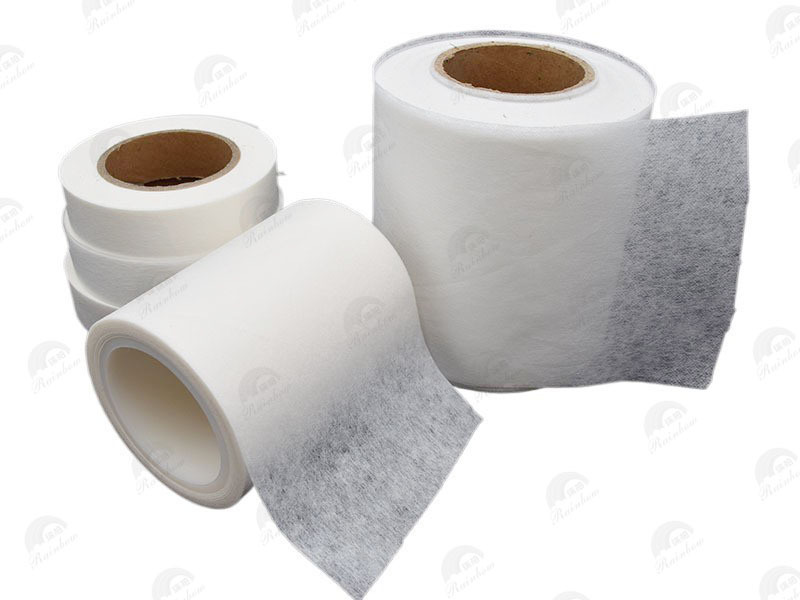
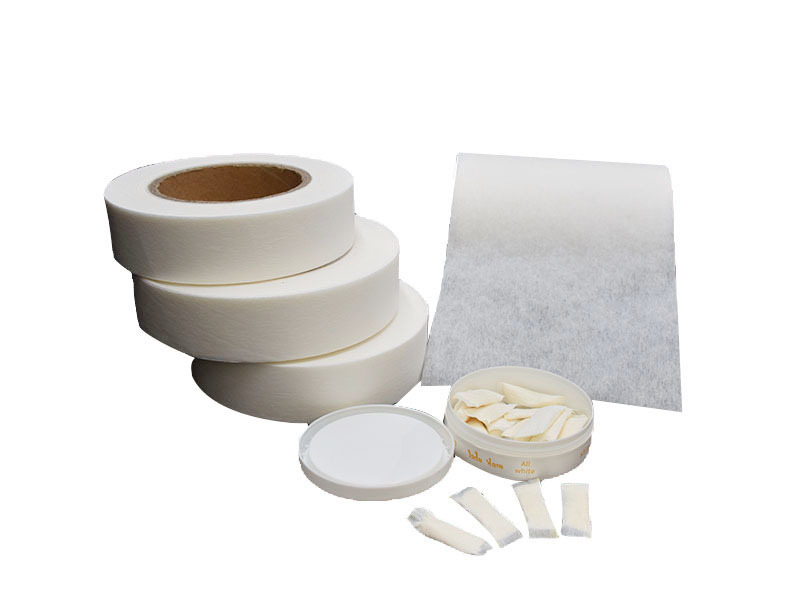
Fusible scatter coating nonwoven interlining is a specialized textile material that combines a nonwoven substrate with a fusible adhesive coating. This adhesive layer is strategically applied to one side of the fabric, allowing it to bond effortlessly with other fabrics during the heat application process. This unique construction enables manufacturers to achieve desired fabric behaviors, such as added stiffness, shape retention, and improved overall garment durability.
3. Benefits of Using Fusible Scatter Coating Nonwoven Interlining
Understanding the advantages of fusible scatter coating nonwoven interlining is essential for any textile manufacturer looking to innovate and improve their product offerings. Below are some compelling reasons to consider this interlining option:
3.1 Enhanced Fabric Stability
One of the primary benefits of fusible scatter coating nonwoven interlining is its ability to enhance fabric stability. When applied correctly, it helps fabrics maintain their shape and structure, preventing sagging or distortion. This is particularly beneficial for tailored garments that require a crisp finish.
3.2 Improved Seam Strength
Fusible interlinings contribute to an increase in seam strength, reducing the likelihood of fabric stress and subsequent tearing. This feature is crucial in high-wear areas of garments, ensuring longevity and customer satisfaction.
3.3 Lightweight and Breathable
Despite providing added structure, fusible scatter coating nonwoven interlining is designed to be lightweight and breathable. This characteristic ensures that the end product remains comfortable for the wearer, a vital consideration in today’s textile market.
3.4 Versatility in Applications
The versatility of fusible scatter coating nonwoven interlining extends across various textile applications. Whether in garments, home furnishings, or industrial textiles, this interlining can adapt to different fabric types and uses, making it a valuable asset in any manufacturing setting.
4. Key Applications in the Textile Industry
Fusible scatter coating nonwoven interlining is utilized across a wide range of applications. Below, we explore some key areas where this innovative product has proven its worth.
4.1 Garment Manufacturing
In garment manufacturing, fusible interlining is employed to enhance the quality and durability of tailored items like jackets, blazers, and trousers. Its stability ensures that garments maintain their shape throughout wear and washing.
4.2 Home Textiles
For home textiles, fusible scatter coating nonwoven interlining provides additional structure and durability to products such as curtains, upholstery, and bed linens. These textiles benefit from the enhanced performance characteristics provided by the interlining.
4.3 Automotive Textiles
In the automotive industry, fusible scatter coating nonwoven interlining plays a vital role in enhancing the durability and aesthetic quality of seat covers, headliners, and door panels. The ability to withstand wear and tear makes it an essential component in automotive textiles.
5. Choosing the Right Nonwoven Interlining for Your Needs
Selecting the appropriate fusible scatter coating nonwoven interlining requires careful consideration of various factors, including fabric type, desired end-use, and specific performance characteristics. Manufacturers should evaluate the weight, thickness, and adhesive properties of the interlining to ensure optimal compatibility with their chosen fabrics.
6. Application Techniques for Fusible Scatter Coating Nonwoven Interlining
Implementing fusible scatter coating nonwoven interlining effectively involves several key application techniques. Mastering these methods can significantly impact the quality of the finished textile product.
6.1 Heat Application Methods
Heat application is the most common method for adhering fusible scatter coating nonwoven interlining to fabric. This process typically involves a heat press or iron, where controlled heat and pressure activate the adhesive, allowing it to bond securely to the substrate.
6.2 Adhesive Considerations
Different adhesives are available for various applications, each designed to meet specific performance criteria. Manufacturers must choose an adhesive that aligns with the fabric types and end-use requirements to ensure optimal bonding and durability.
7. Innovations in Nonwoven Interlining Technology
The field of nonwoven interlining technology is constantly evolving, with innovations aimed at improving performance, sustainability, and cost-effectiveness. Recent developments include eco-friendly adhesives, improved bonding techniques, and the integration of smart materials that respond to environmental changes.
8. Conclusion
Fusible scatter coating nonwoven interlining represents a significant advancement in textile manufacturing, offering a range of benefits that enhance product quality and performance. By integrating this innovative interlining into your textile line, you can revolutionize the way garments and other textile products are crafted. The versatility, durability, and ease of application make it an essential component for any manufacturer looking to stay competitive in today’s dynamic market.
9. Frequently Asked Questions (FAQs)
1. What types of fabrics work best with fusible scatter coating nonwoven interlining?
Fusible scatter coating nonwoven interlining can be used with a variety of fabrics, including cotton, polyester, and blends. The key is to match the interlining properties with the fabric’s characteristics to achieve optimal results.
2. Can fusible scatter coating nonwoven interlining be washed?
Yes, when applied correctly, fusible scatter coating nonwoven interlining is designed to withstand washing. However, it’s essential to follow the care instructions for both the interlining and the fabric to maintain quality.
3. Is fusible scatter coating nonwoven interlining environmentally friendly?
Many manufacturers are now producing eco-friendly options for fusible scatter coating nonwoven interlining, utilizing sustainable materials and adhesives. It’s advisable to inquire about these alternatives when selecting interlining for your products.
4. How does fusible scatter coating nonwoven interlining differ from traditional interlining?
Fusible scatter coating nonwoven interlining features a fusible adhesive that allows for a more efficient bonding process compared to traditional interlining, which may require additional steps for application.
5. What are the cost implications of using fusible scatter coating nonwoven interlining?
While the upfront cost may be higher than traditional interlining options, the durability and enhanced performance can lead to cost savings in the long run by reducing returns and improving customer satisfaction.
fusible scatter coating Nonwoven interlining
Latest News


Nantong Rainbow Nonwoven Tech Co.,Ltd.
Telephone:+86-13587673537 +86-15851257231
E-mail:chrislc717@163.com christy@ntrainbow.com
sales1@ntrainbow.com
Address: (No. 88, Sanzong South Road) Group 42, Xichansi Village, Xiting Town, Tongzhou District, Nantong City, Jiangsu Province

Copyright©2024 Nantong Rainbow Technology Co., Ltd. | Powered by www.300.cn
Copyright©2024 Nantong Rainbow Technology Co., Ltd.
Powered by www.300.cn