
Understanding Chemical Bonded Nonwoven Fusible Interlining: A Comprehensive Guide
Release time:
2026-03-25
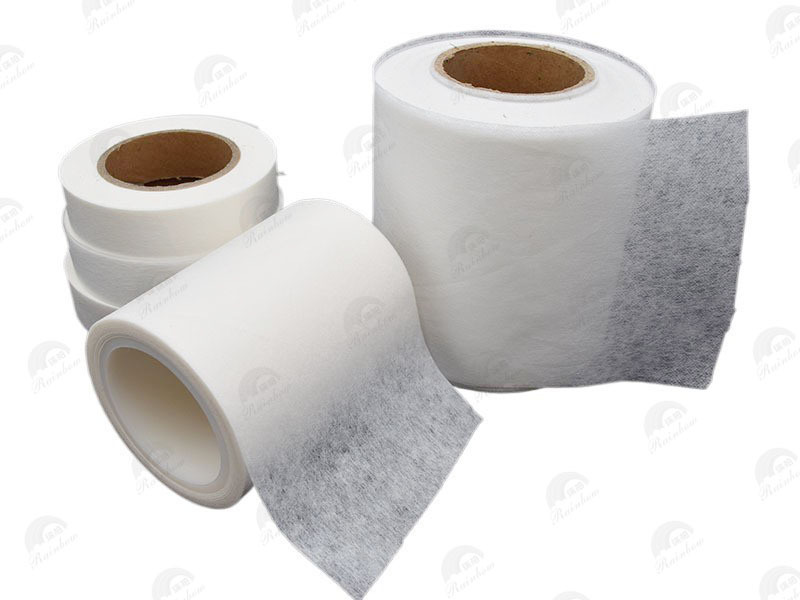
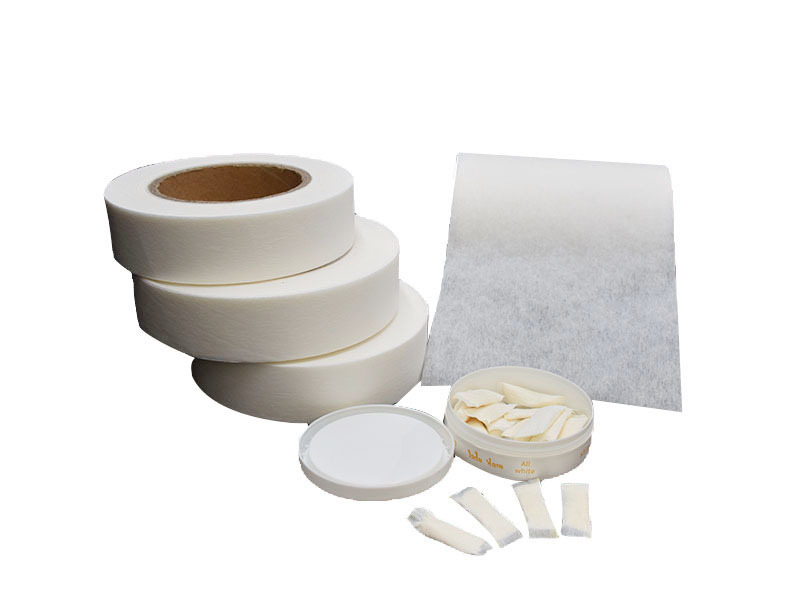
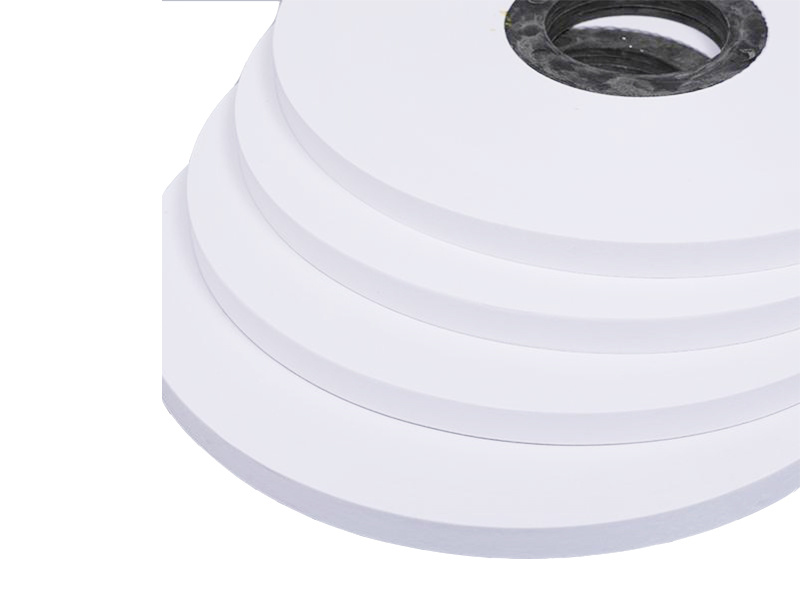
Chemical bonded nonwoven fusible interlining is a specialized textile component widely used in the garment and apparel industry. As a fusible interlining, it plays a crucial role in providing additional support and structure to fabrics, enhancing their performance and durability. Understanding the characteristics and advantages of this material can significantly benefit manufacturers and designers in creating high-quality garments.
The term "chemical bonded" refers to the method used to bond the fibers together in the nonwoven fabric. This process typically involves the application of adhesives or bonding agents, which create a strong and stable structure without the need for weaving or knitting. As a result, chemical bonded nonwoven fusible interlining exhibits properties such as lightweight construction, flexibility, and excellent draping qualities, making it an ideal choice for a wide range of textile applications.
One of the primary applications of chemical bonded nonwoven fusible interlining is in the reinforcement of collars, cuffs, and waistbands in garments. It provides the necessary stiffness and shape retention, ensuring that these areas maintain their structured look over time. Additionally, this type of interlining can be used in various fabric types, including woven, knit, and stretch materials. The versatility of chemical bonded nonwoven fusible interlining makes it a preferred choice among designers seeking to enhance their products’ overall quality.
In terms of performance, chemical bonded nonwoven fusible interlining offers several advantages. First, its lightweight nature allows for comfortable wear without adding unnecessary bulk to the garment. Moreover, this interlining can be heat-activated, which means it adheres to the fabric when exposed to heat, creating a seamless bond. This process ensures that the interlining remains securely attached during washing and wear, contributing to the garment's longevity.
Another significant aspect is its ability to accommodate various finishes and treatments, allowing manufacturers to customize the interlining according to specific garment requirements. Whether for casual wear, formal attire, or specialized garments, chemical bonded nonwoven fusible interlining can be tailored to meet the desired properties, such as increased stretch, moisture-wicking capabilities, or added resilience to environmental factors.
In conclusion, chemical bonded nonwoven fusible interlining is an essential material in the textile industry, providing structural support and enhancing the overall quality of garments. Its unique bonding process and versatile applications make it a valuable asset for manufacturers and designers alike. By understanding the benefits and features of this interlining, stakeholders can make informed decisions that ultimately lead to superior apparel products.
The term "chemical bonded" refers to the method used to bond the fibers together in the nonwoven fabric. This process typically involves the application of adhesives or bonding agents, which create a strong and stable structure without the need for weaving or knitting. As a result, chemical bonded nonwoven fusible interlining exhibits properties such as lightweight construction, flexibility, and excellent draping qualities, making it an ideal choice for a wide range of textile applications.
One of the primary applications of chemical bonded nonwoven fusible interlining is in the reinforcement of collars, cuffs, and waistbands in garments. It provides the necessary stiffness and shape retention, ensuring that these areas maintain their structured look over time. Additionally, this type of interlining can be used in various fabric types, including woven, knit, and stretch materials. The versatility of chemical bonded nonwoven fusible interlining makes it a preferred choice among designers seeking to enhance their products’ overall quality.
In terms of performance, chemical bonded nonwoven fusible interlining offers several advantages. First, its lightweight nature allows for comfortable wear without adding unnecessary bulk to the garment. Moreover, this interlining can be heat-activated, which means it adheres to the fabric when exposed to heat, creating a seamless bond. This process ensures that the interlining remains securely attached during washing and wear, contributing to the garment's longevity.
Another significant aspect is its ability to accommodate various finishes and treatments, allowing manufacturers to customize the interlining according to specific garment requirements. Whether for casual wear, formal attire, or specialized garments, chemical bonded nonwoven fusible interlining can be tailored to meet the desired properties, such as increased stretch, moisture-wicking capabilities, or added resilience to environmental factors.
In conclusion, chemical bonded nonwoven fusible interlining is an essential material in the textile industry, providing structural support and enhancing the overall quality of garments. Its unique bonding process and versatile applications make it a valuable asset for manufacturers and designers alike. By understanding the benefits and features of this interlining, stakeholders can make informed decisions that ultimately lead to superior apparel products.
chemical bonded Nonwoven fusible interlining
Latest News


Nantong Rainbow Nonwoven Tech Co.,Ltd.
Telephone:+86-13587673537 +86-15851257231
E-mail:chrislc717@163.com christy@ntrainbow.com
sales1@ntrainbow.com
Address: (No. 88, Sanzong South Road) Group 42, Xichansi Village, Xiting Town, Tongzhou District, Nantong City, Jiangsu Province

Copyright©2024 Nantong Rainbow Technology Co., Ltd. | Powered by www.300.cn
Copyright©2024 Nantong Rainbow Technology Co., Ltd.
Powered by www.300.cn