
The Essential Guide to Chemical Bonded Nonwoven Fusible Interlining in the Textile Industry
Release time:
2026-03-09
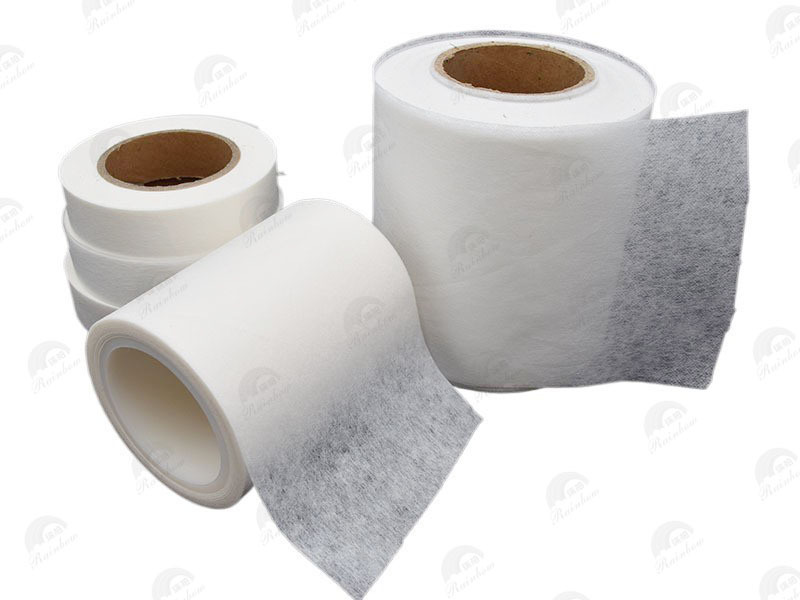
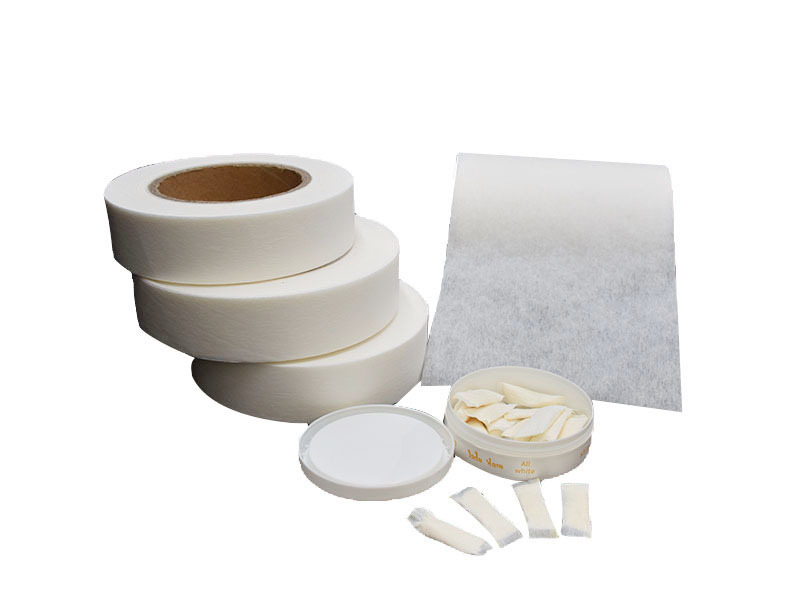
Chemical bonded nonwoven fusible interlining plays a critical role in the textile sector, particularly in garment manufacturing and other fabric applications. This type of interlining is engineered using a unique process that combines nonwoven fabric with a fusible adhesive, resulting in a material that offers both stability and flexibility.
One of the standout features of chemical bonded nonwoven fusible interlining is its ability to provide excellent support while maintaining a lightweight profile. This makes it ideal for various applications, including collars, cuffs, waistbands, and other structured areas of garments. The bonding process involves applying heat and pressure, which activates the adhesive and firmly attaches the interlining to the outer fabric.
Professionals in the textile industry appreciate the versatility of this interlining type. It is available in various weights and thicknesses, catering to different fabric types and design requirements. Additionally, it can be used on a wide range of fabrics, including cotton, polyester, and blends, making it a go-to choice for many designers and manufacturers.
The benefits of using chemical bonded nonwoven fusible interlining extend beyond support and stability. This interlining contributes to the overall finish of the fabric, enhancing its drape and appearance. Furthermore, it helps reduce wrinkling, ensuring garments maintain their shape even after multiple washes. As a result, garments made with this type of interlining often exhibit a premium look and feel, which can be a significant selling point in a competitive market.
When considering chemical bonded nonwoven fusible interlining, it’s essential to evaluate the specific needs of your project. Factors such as fabric compatibility, desired stiffness, and application method should all be taken into account. Additionally, testing samples on your intended fabric can provide valuable insights into how well the interlining performs in real-world conditions.
In summary, chemical bonded nonwoven fusible interlining is a crucial component in the textile industry, offering a blend of support, flexibility, and aesthetic appeal. By understanding its properties and applications, industry professionals can make informed choices that enhance the quality and durability of their textile products. Whether you're designing garments or working with other fabric applications, this interlining type is worth considering for its numerous benefits.
One of the standout features of chemical bonded nonwoven fusible interlining is its ability to provide excellent support while maintaining a lightweight profile. This makes it ideal for various applications, including collars, cuffs, waistbands, and other structured areas of garments. The bonding process involves applying heat and pressure, which activates the adhesive and firmly attaches the interlining to the outer fabric.
Professionals in the textile industry appreciate the versatility of this interlining type. It is available in various weights and thicknesses, catering to different fabric types and design requirements. Additionally, it can be used on a wide range of fabrics, including cotton, polyester, and blends, making it a go-to choice for many designers and manufacturers.
The benefits of using chemical bonded nonwoven fusible interlining extend beyond support and stability. This interlining contributes to the overall finish of the fabric, enhancing its drape and appearance. Furthermore, it helps reduce wrinkling, ensuring garments maintain their shape even after multiple washes. As a result, garments made with this type of interlining often exhibit a premium look and feel, which can be a significant selling point in a competitive market.
When considering chemical bonded nonwoven fusible interlining, it’s essential to evaluate the specific needs of your project. Factors such as fabric compatibility, desired stiffness, and application method should all be taken into account. Additionally, testing samples on your intended fabric can provide valuable insights into how well the interlining performs in real-world conditions.
In summary, chemical bonded nonwoven fusible interlining is a crucial component in the textile industry, offering a blend of support, flexibility, and aesthetic appeal. By understanding its properties and applications, industry professionals can make informed choices that enhance the quality and durability of their textile products. Whether you're designing garments or working with other fabric applications, this interlining type is worth considering for its numerous benefits.
chemical bonded Nonwoven fusible interlining
Latest News


Nantong Rainbow Nonwoven Tech Co.,Ltd.
Telephone:+86-13587673537 +86-15851257231
E-mail:chrislc717@163.com christy@ntrainbow.com
sales1@ntrainbow.com
Address: (No. 88, Sanzong South Road) Group 42, Xichansi Village, Xiting Town, Tongzhou District, Nantong City, Jiangsu Province

Copyright©2024 Nantong Rainbow Technology Co., Ltd. | Powered by www.300.cn
Copyright©2024 Nantong Rainbow Technology Co., Ltd.
Powered by www.300.cn