
Enhancing Textile Quality: The Role of Adhesive Interlining Nonwoven in Fashion Design
Release time:
2026-03-05
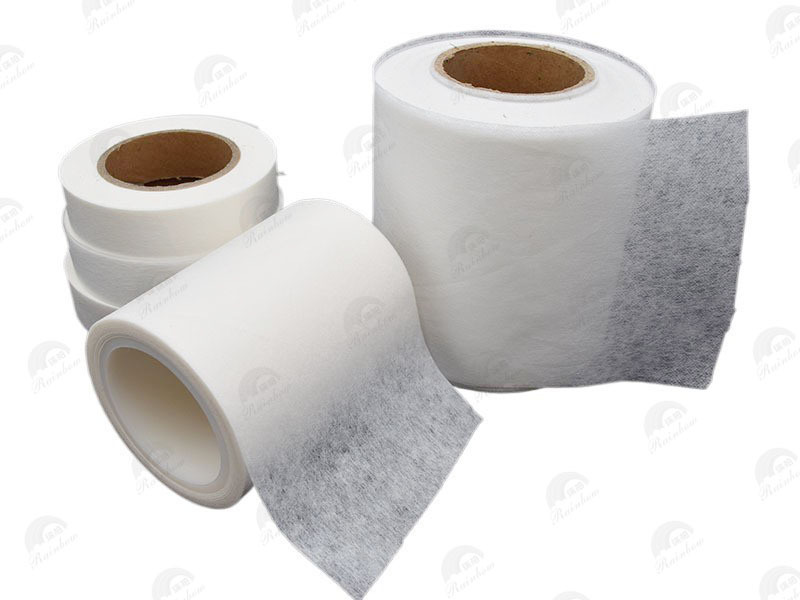
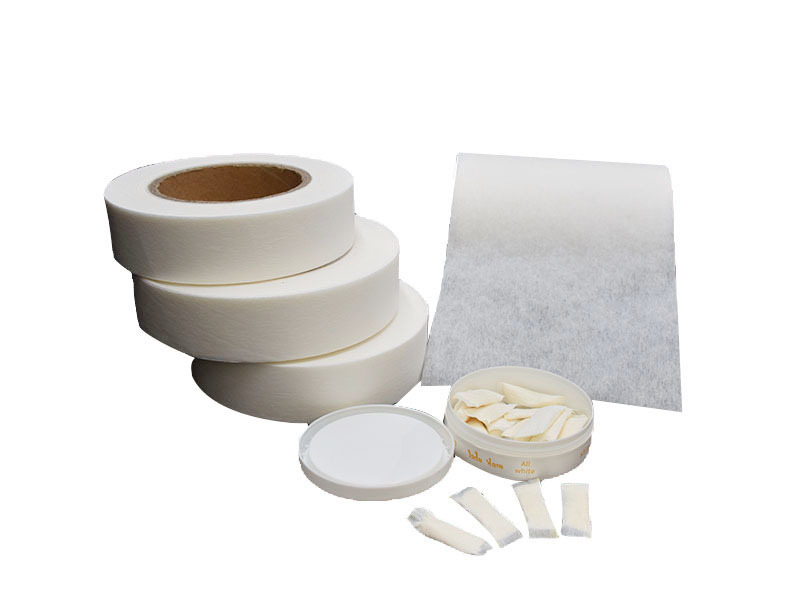
Adhesive interlining nonwoven is a crucial component in the textile industry, especially for fashion designers and manufacturers. This innovative material is made from synthetic fibers that are bonded together using heat, pressure, or adhesives, resulting in a lightweight and versatile product with various applications. One of the most significant advantages of adhesive interlining nonwoven is its ability to enhance the structural integrity of garments, providing stability and support without adding excessive weight.
In fashion design, the choice of interlining can significantly affect the quality and appearance of the final product. Adhesive interlining nonwoven is particularly favored for its excellent draping qualities and ability to maintain the shape of garments over time. This is essential for achieving tailored looks in jackets, collars, and cuffs, where precision and structure are paramount. The adhesive properties of this nonwoven material allow it to bond seamlessly with outer fabrics, ensuring a smooth finish and reducing the risk of bubbling or wrinkling.
Another important aspect of adhesive interlining nonwoven is its versatility in application. It can be used in a wide range of fabrics, including cotton, wool, and synthetic blends, making it suitable for various garment types—from casual wear to formal attire. Its compatibility with different textile processes, such as sewing and heat bonding, enables designers to explore creative possibilities while maintaining garment durability.
Moreover, adhesive interlining nonwoven offers additional benefits, such as resistance to fraying and unraveling. This is especially important in high-stress areas of garments, where traditional interlining might fail. By using adhesive nonwoven interlining, designers can enhance the longevity of their products, leading to increased customer satisfaction and reduced returns.
Sustainability is another consideration in the textile industry, and many manufacturers are now producing adhesive interlining nonwoven from eco-friendly materials. This shift towards sustainable practices reflects the growing consumer demand for environmentally responsible fashion. By opting for these materials, designers can align their products with current trends while minimizing their environmental impact.
In conclusion, adhesive interlining nonwoven plays a vital role in the textile industry, particularly in fashion design. Its unique properties, such as lightweight structure, strong adhesion, and versatility, make it an indispensable tool for enhancing garment quality. As the industry continues to evolve, staying informed about the advancements in nonwoven technology will empower professionals to make innovative choices that meet the demands of modern consumers. Embracing adhesive interlining nonwoven is not just about enhancing aesthetics; it is also about creating durable, high-quality garments that stand the test of time.
In fashion design, the choice of interlining can significantly affect the quality and appearance of the final product. Adhesive interlining nonwoven is particularly favored for its excellent draping qualities and ability to maintain the shape of garments over time. This is essential for achieving tailored looks in jackets, collars, and cuffs, where precision and structure are paramount. The adhesive properties of this nonwoven material allow it to bond seamlessly with outer fabrics, ensuring a smooth finish and reducing the risk of bubbling or wrinkling.
Another important aspect of adhesive interlining nonwoven is its versatility in application. It can be used in a wide range of fabrics, including cotton, wool, and synthetic blends, making it suitable for various garment types—from casual wear to formal attire. Its compatibility with different textile processes, such as sewing and heat bonding, enables designers to explore creative possibilities while maintaining garment durability.
Moreover, adhesive interlining nonwoven offers additional benefits, such as resistance to fraying and unraveling. This is especially important in high-stress areas of garments, where traditional interlining might fail. By using adhesive nonwoven interlining, designers can enhance the longevity of their products, leading to increased customer satisfaction and reduced returns.
Sustainability is another consideration in the textile industry, and many manufacturers are now producing adhesive interlining nonwoven from eco-friendly materials. This shift towards sustainable practices reflects the growing consumer demand for environmentally responsible fashion. By opting for these materials, designers can align their products with current trends while minimizing their environmental impact.
In conclusion, adhesive interlining nonwoven plays a vital role in the textile industry, particularly in fashion design. Its unique properties, such as lightweight structure, strong adhesion, and versatility, make it an indispensable tool for enhancing garment quality. As the industry continues to evolve, staying informed about the advancements in nonwoven technology will empower professionals to make innovative choices that meet the demands of modern consumers. Embracing adhesive interlining nonwoven is not just about enhancing aesthetics; it is also about creating durable, high-quality garments that stand the test of time.
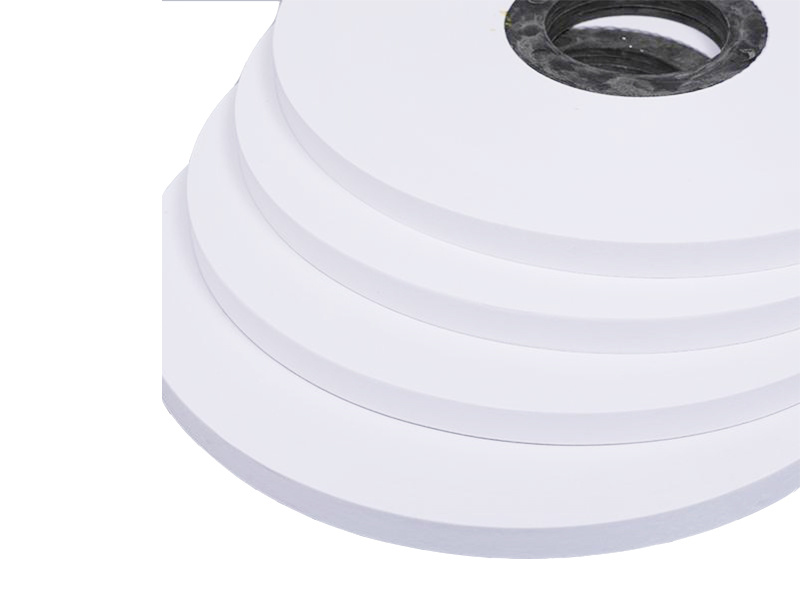
Adhesive Interlining Nonwoven
Previous Page
Latest News


Nantong Rainbow Nonwoven Tech Co.,Ltd.
Telephone:+86-13587673537 +86-15851257231
E-mail:chrislc717@163.com christy@ntrainbow.com
sales1@ntrainbow.com
Address: (No. 88, Sanzong South Road) Group 42, Xichansi Village, Xiting Town, Tongzhou District, Nantong City, Jiangsu Province

Copyright©2024 Nantong Rainbow Technology Co., Ltd. | Powered by www.300.cn
Copyright©2024 Nantong Rainbow Technology Co., Ltd.
Powered by www.300.cn