
The Essential Guide to Dustproof Nonwoven Air Filters: Innovations in Textile Solutions
Release time:
2026-02-17
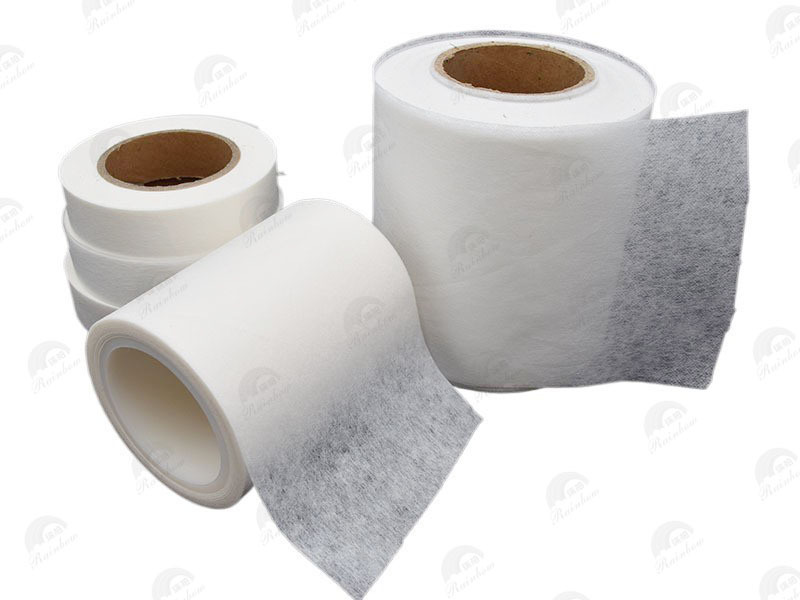
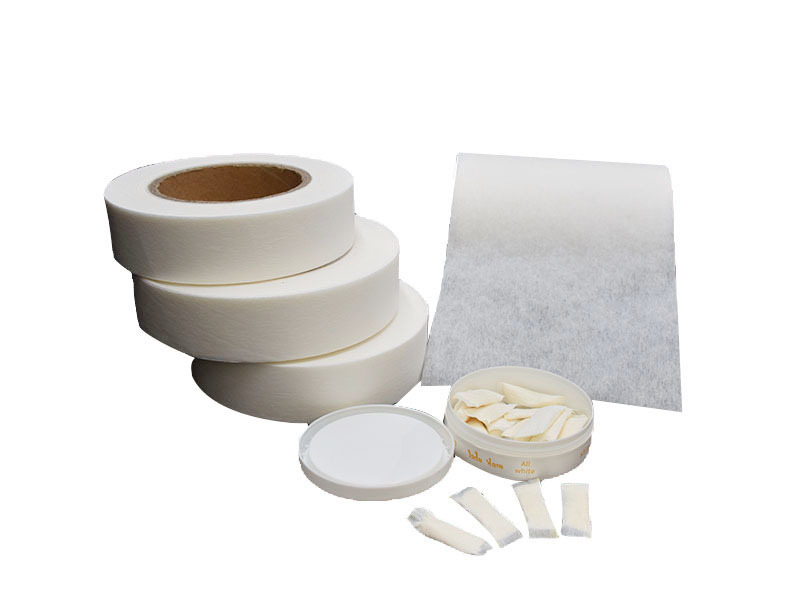
Dustproof nonwoven air filters represent a significant advancement in air filtration technology, offering numerous benefits across various applications. In the textile industry, particularly within nonwoven fabric production, these filters play a crucial role in maintaining air quality and enhancing operational efficiency.
Nonwoven air filters are designed to capture dust, allergens, and other particulate matter effectively. Their unique structure, which consists of randomly oriented fibers, creates a labyrinth of pathways that trap particles while allowing air to flow freely. This design is particularly beneficial in environments where air quality is paramount, such as manufacturing facilities, hospitals, and clean rooms.
One of the primary advantages of dustproof nonwoven air filters is their superior filtration efficiency. The materials used are often engineered to achieve specific filtration ratings, ensuring that they can remove particles of varying sizes. This capability is essential for industries that require stringent air quality standards to protect both equipment and personnel from harmful dust exposure.
Moreover, the versatility of nonwoven fabrics allows for the customization of air filters to meet specific performance criteria. Different fiber types, thicknesses, and treatments can be employed to enhance the filter’s dust-holding capacity and lifespan. For instance, some nonwoven air filters may undergo treatments that increase their electrostatic properties, helping them to attract and capture even finer dust particles.
Another significant factor to consider is the ease of maintenance and replacement. Dustproof nonwoven air filters are often lightweight and designed for quick installation, making them a practical choice for industries looking to minimize downtime. Regular replacement of these filters is essential to ensure continued performance and efficiency, as clogged filters can lead to increased energy consumption and reduced airflow.
Sustainability is also becoming an important consideration in the production and disposal of dustproof nonwoven air filters. Many manufacturers are exploring eco-friendly materials and processes to reduce the environmental impact of these products. Innovations in biodegradable and recyclable nonwoven fabrics are paving the way for more sustainable air filtration solutions.
In conclusion, dustproof nonwoven air filters are an integral part of modern air filtration systems within the textile industry. Their advanced design, efficiency in capturing dust and allergens, and adaptability to various applications make them a vital component for ensuring air quality. Understanding the benefits and functionalities of these filters can help professionals make informed decisions to enhance operational effectiveness and maintain a clean environment.
Nonwoven air filters are designed to capture dust, allergens, and other particulate matter effectively. Their unique structure, which consists of randomly oriented fibers, creates a labyrinth of pathways that trap particles while allowing air to flow freely. This design is particularly beneficial in environments where air quality is paramount, such as manufacturing facilities, hospitals, and clean rooms.
One of the primary advantages of dustproof nonwoven air filters is their superior filtration efficiency. The materials used are often engineered to achieve specific filtration ratings, ensuring that they can remove particles of varying sizes. This capability is essential for industries that require stringent air quality standards to protect both equipment and personnel from harmful dust exposure.
Moreover, the versatility of nonwoven fabrics allows for the customization of air filters to meet specific performance criteria. Different fiber types, thicknesses, and treatments can be employed to enhance the filter’s dust-holding capacity and lifespan. For instance, some nonwoven air filters may undergo treatments that increase their electrostatic properties, helping them to attract and capture even finer dust particles.
Another significant factor to consider is the ease of maintenance and replacement. Dustproof nonwoven air filters are often lightweight and designed for quick installation, making them a practical choice for industries looking to minimize downtime. Regular replacement of these filters is essential to ensure continued performance and efficiency, as clogged filters can lead to increased energy consumption and reduced airflow.
Sustainability is also becoming an important consideration in the production and disposal of dustproof nonwoven air filters. Many manufacturers are exploring eco-friendly materials and processes to reduce the environmental impact of these products. Innovations in biodegradable and recyclable nonwoven fabrics are paving the way for more sustainable air filtration solutions.
In conclusion, dustproof nonwoven air filters are an integral part of modern air filtration systems within the textile industry. Their advanced design, efficiency in capturing dust and allergens, and adaptability to various applications make them a vital component for ensuring air quality. Understanding the benefits and functionalities of these filters can help professionals make informed decisions to enhance operational effectiveness and maintain a clean environment.
Dustproof Nonwoven Air Filter
Latest News


Nantong Rainbow Nonwoven Tech Co.,Ltd.
Telephone:+86-13587673537 +86-15851257231
E-mail:chrislc717@163.com christy@ntrainbow.com
sales1@ntrainbow.com
Address: (No. 88, Sanzong South Road) Group 42, Xichansi Village, Xiting Town, Tongzhou District, Nantong City, Jiangsu Province

Copyright©2024 Nantong Rainbow Technology Co., Ltd. | Powered by www.300.cn
Copyright©2024 Nantong Rainbow Technology Co., Ltd.
Powered by www.300.cn