
Understanding Foam Bonded Nonwoven Lining: Applications and Benefits
Release time:
2026-02-13
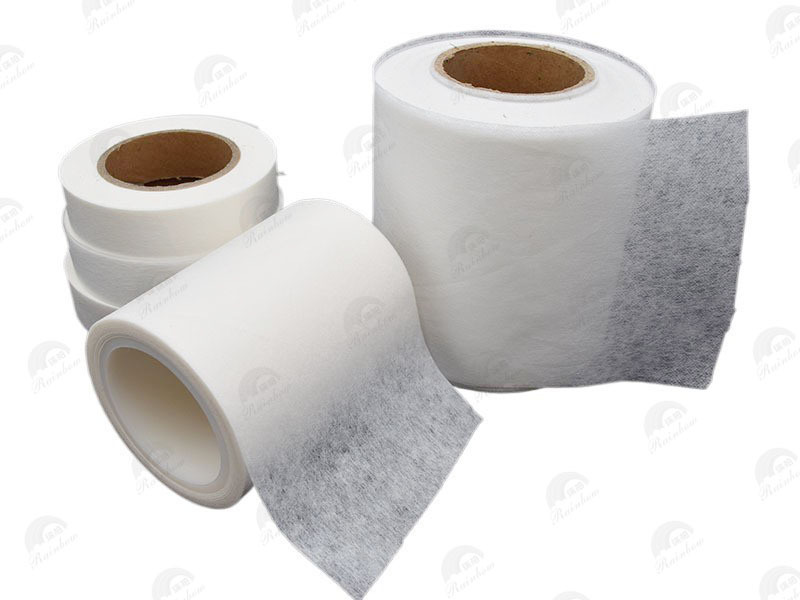
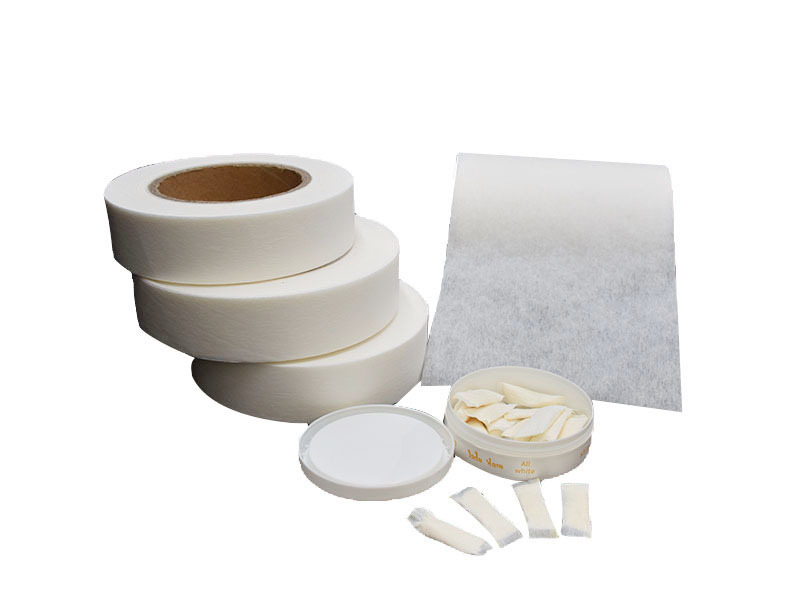
Foam Bonded Nonwoven lining is a versatile material widely used in various applications due to its unique combination of properties. This innovative fabric is created by bonding foam to nonwoven substrates, resulting in a lightweight, flexible, and durable lining material. One of the most significant advantages of Foam Bonded Nonwoven lining is its excellent cushioning and insulation properties, making it ideal for products that require shock absorption or thermal protection.
In the automotive industry, Foam Bonded Nonwoven lining is commonly employed in interior applications, such as seat covers, headliners, and door panels. The material provides not only comfort but also sound dampening, which enhances the overall driving experience. Additionally, the lightweight nature of the lining helps manufacturers reduce vehicle weight, improving fuel efficiency.
The apparel sector also benefits from the use of Foam Bonded Nonwoven lining. Designers and manufacturers utilize this material in jackets, footwear, and other garments where a combination of flexibility and structure is essential. The foam bonding process allows for a range of textures and finishes, enabling creative designs while providing the necessary support and comfort.
In home textiles, Foam Bonded Nonwoven lining serves various functions. It can be found in curtains, upholstery, and bedding products, where it contributes to a cozy and aesthetic appeal. The foam layer ensures that these items maintain their shape and drape beautifully, adding value to the finished products. Additionally, the nonwoven aspect of the material enhances breathability, which is crucial for maintaining comfort in home environments.
When it comes to sustainability, many manufacturers are now focusing on eco-friendly options within the realm of Foam Bonded Nonwoven lining. By sourcing materials that are recyclable or made from recycled content, companies can reduce their environmental footprint while still providing high-quality products.
The manufacturing process of Foam Bonded Nonwoven lining can vary, depending on the specific requirements of the end product. Techniques such as thermal bonding, chemical bonding, or mechanical bonding may be employed, allowing for customization in terms of thickness, density, and softness. This versatility is one of the reasons why this material has gained popularity across diverse sectors.
In conclusion, Foam Bonded Nonwoven lining is a practical solution for a wide array of applications, offering durability, comfort, and design flexibility. Its unique properties make it suitable for automotive, apparel, home textiles, and many other industries. As professionals continue to explore innovative applications for this material, its significance in the textile industry will undoubtedly grow, providing opportunities for both manufacturers and consumers alike.
In the automotive industry, Foam Bonded Nonwoven lining is commonly employed in interior applications, such as seat covers, headliners, and door panels. The material provides not only comfort but also sound dampening, which enhances the overall driving experience. Additionally, the lightweight nature of the lining helps manufacturers reduce vehicle weight, improving fuel efficiency.
The apparel sector also benefits from the use of Foam Bonded Nonwoven lining. Designers and manufacturers utilize this material in jackets, footwear, and other garments where a combination of flexibility and structure is essential. The foam bonding process allows for a range of textures and finishes, enabling creative designs while providing the necessary support and comfort.
In home textiles, Foam Bonded Nonwoven lining serves various functions. It can be found in curtains, upholstery, and bedding products, where it contributes to a cozy and aesthetic appeal. The foam layer ensures that these items maintain their shape and drape beautifully, adding value to the finished products. Additionally, the nonwoven aspect of the material enhances breathability, which is crucial for maintaining comfort in home environments.
When it comes to sustainability, many manufacturers are now focusing on eco-friendly options within the realm of Foam Bonded Nonwoven lining. By sourcing materials that are recyclable or made from recycled content, companies can reduce their environmental footprint while still providing high-quality products.
The manufacturing process of Foam Bonded Nonwoven lining can vary, depending on the specific requirements of the end product. Techniques such as thermal bonding, chemical bonding, or mechanical bonding may be employed, allowing for customization in terms of thickness, density, and softness. This versatility is one of the reasons why this material has gained popularity across diverse sectors.
In conclusion, Foam Bonded Nonwoven lining is a practical solution for a wide array of applications, offering durability, comfort, and design flexibility. Its unique properties make it suitable for automotive, apparel, home textiles, and many other industries. As professionals continue to explore innovative applications for this material, its significance in the textile industry will undoubtedly grow, providing opportunities for both manufacturers and consumers alike.
Foam Bonded Nonwoven lining
Latest News


Nantong Rainbow Nonwoven Tech Co.,Ltd.
Telephone:+86-13587673537 +86-15851257231
E-mail:chrislc717@163.com christy@ntrainbow.com
sales1@ntrainbow.com
Address: (No. 88, Sanzong South Road) Group 42, Xichansi Village, Xiting Town, Tongzhou District, Nantong City, Jiangsu Province

Copyright©2024 Nantong Rainbow Technology Co., Ltd. | Powered by www.300.cn
Copyright©2024 Nantong Rainbow Technology Co., Ltd.
Powered by www.300.cn