
Fusing Interlining Explained: Transform Your Textile Creations
Release time:
2026-01-06
Fusing Interlining Explained: Transform Your Textile Creations
Table of Contents
- What is Fusing Interlining?
- Types of Fusing Interlining
- Benefits of Fusing Interlining in Textile Design
- Applications of Fusing Interlining in Garment Construction
- How to Choose the Right Fusing Interlining for Your Project
- Application Techniques for Fusing Interlining
- Common Challenges and Solutions When Using Fusing Interlining
- The Future of Fusing Interlining in Textile Manufacturing
- Frequently Asked Questions
- Conclusion
What is Fusing Interlining?
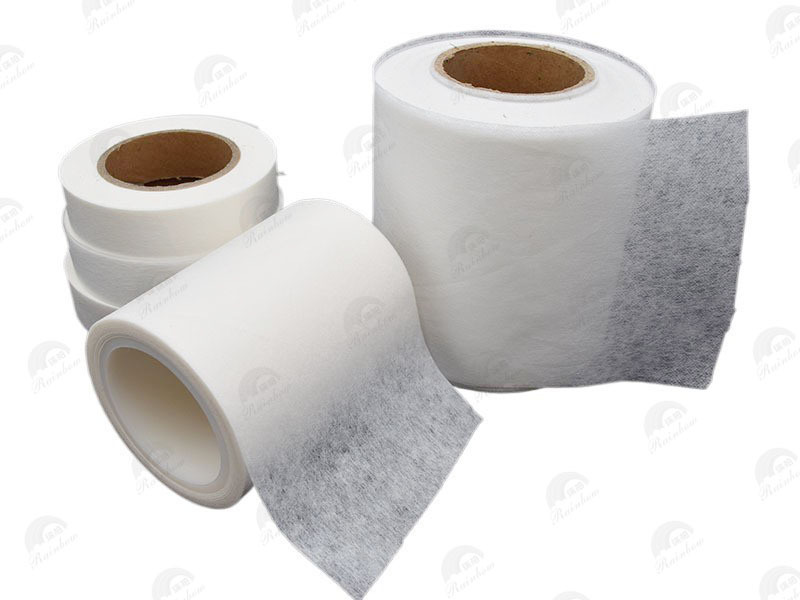
Fusing interlining is a critical component in the world of textiles and garment construction. It is a layer of fabric, usually made from a blend of synthetic and natural fibers, that is bonded to the main fabric through heat and pressure. This technique creates a permanent adhesive bond, enhancing the fabric's structure and providing additional support where needed. Often utilized in collars, cuffs, and waistbands, fusing interlining contributes to the overall durability and aesthetics of the finished garment.
Types of Fusing Interlining
Understanding the various types of fusing interlining can significantly improve your textile creations. The primary classifications include:
1. Fusible Interlining
Fusible interlining is equipped with a heat-activated adhesive on one side. It is the most commonly used type and can be applied easily with an iron. This interlining is ideal for lightweight and medium-weight fabrics, providing necessary structure without adding bulk.
2. Non-Fusible Interlining
While non-fusible interlining does not have adhesive properties, it can still be used in conjunction with fusible types. Sewn into garments, this type provides additional support and is often used in areas that require greater flexibility.
3. Woven vs. Non-Woven Interlining
- **Woven Interlining**: Made from interlaced threads, woven interlining offers a more robust structure and is typically more stable than its non-woven counterpart.
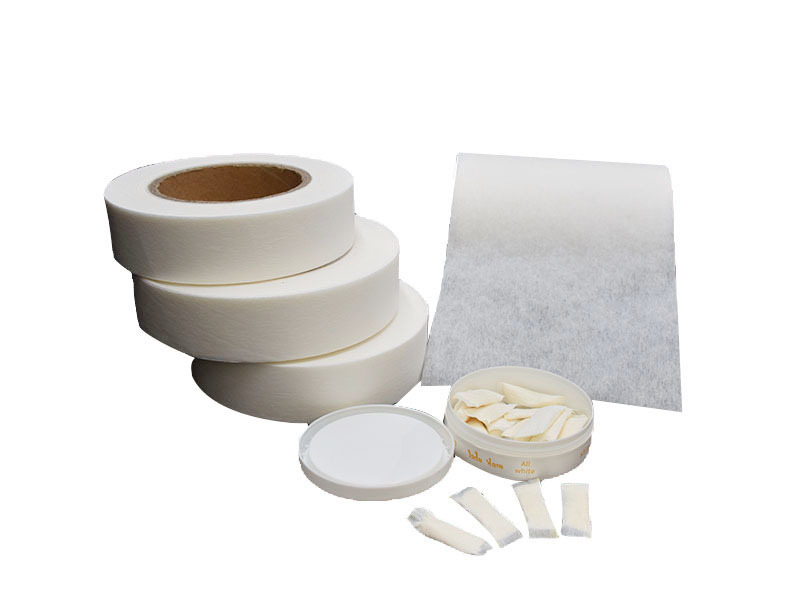
- **Non-Woven Interlining**: Made from fibers that are bonded together rather than woven. It is generally softer and more flexible, making it suitable for delicate fabrics.
Benefits of Fusing Interlining in Textile Design
Incorporating fusing interlining into your textile projects offers numerous advantages, including:
1. Enhanced Structure and Shape Retention
Fusing interlining provides essential support, allowing garments to maintain their shape and structure over time. It prevents sagging and distortion, particularly in areas subject to wear and tear.
2. Improved Fabric Durability
By reinforcing key areas of a garment, fusing interlining enhances the overall durability of the fabric. This added strength can prolong the life of the garment, making it a wise investment in any textile project.
3. Better Aesthetics
Fusing interlining helps achieve a polished appearance, giving garments a crisp, professional look. It can also improve the drape of the fabric, making it fall more elegantly on the body.
4. Increased Comfort
High-quality fusing interlining can add comfort without compromising flexibility. This is particularly important in areas requiring movement, such as sleeves and waistbands.
Applications of Fusing Interlining in Garment Construction
Fusing interlining has a wide range of applications in garment construction, enhancing everything from simple shirts to complex outerwear.
1. Collars and Cuffs
Collars and cuffs are often subjected to significant stress during wear. Adding fusing interlining provides necessary structure, ensuring these components maintain their shape.
2. Waistbands and Hems
Incorporating fusing interlining into waistbands and hems can prevent stretching and provide a clean finish. This application is crucial for tailored garments.
3. Jackets and Coats
For outerwear, fusing interlining provides added insulation and enhances the garment's silhouette. It helps jackets and coats achieve a tailored fit, essential for their overall appearance.
How to Choose the Right Fusing Interlining for Your Project
Selecting the appropriate fusing interlining is essential for achieving optimal results. Here are key factors to consider:
1. Fabric Type
Match the interlining to the fabric type for the best results. Lightweight fabrics require lighter interlining, while heavier fabrics may benefit from more substantial options.
2. Desired Properties
Consider the specific properties you want to achieve, such as stiffness or drape. Choose an interlining that aligns with your design goals.
3. Application Method
Ensure that the interlining you choose is compatible with your application method, whether that be heat or sewing. Always check the manufacturer's guidelines for optimal results.
Application Techniques for Fusing Interlining
Successfully applying fusing interlining requires precision and attention to detail. Here are methods to ensure effective application:
1. Preparing the Fabric
Before applying interlining, pre-shrink both the main fabric and the interlining to avoid issues later on. This step is crucial for maintaining the integrity of the garment.
2. Using the Right Temperature
Every type of fusing interlining has specific temperature requirements. Always refer to the manufacturer's instructions to avoid damage.
3. Pressing Technique
Use a pressing cloth to protect the fabric and ensure even heat distribution. Press down firmly for a few seconds and avoid sliding the iron to prevent shifting.
Common Challenges and Solutions When Using Fusing Interlining
Fusing interlining can present challenges, but with the right strategies, these issues can be effectively managed.
1. Peeling or Lifting
If the interlining begins to peel or lift after application, it may indicate improper temperature or pressure. Re-press with the correct settings to re-establish the bond.
2. Bubbles or Wrinkles
Bubbles or wrinkles can occur if the interlining is applied unevenly. Carefully re-apply heat and pressure to smooth out any imperfections.
3. Color Bleeding
To avoid color bleeding, always test a small area before full application, especially when working with vibrant or dark colors.
The Future of Fusing Interlining in Textile Manufacturing
The textile industry is evolving, and so is the use of fusing interlining. Innovations in materials, such as eco-friendly adhesives and advanced bonding techniques, will likely shape the future of fusing interlining. As sustainability becomes a priority, the development of biodegradable and recyclable interlining options will enhance the industry's commitment to the environment.
Frequently Asked Questions
1. What is the difference between fusible and non-fusible interlining?
Fusible interlining has an adhesive layer that bonds to the main fabric when heat is applied, while non-fusible interlining requires sewing to attach it to the garment.
2. Can I use fusing interlining on all types of fabrics?
Not all fabrics are suitable for fusing interlining. Always check the manufacturer's recommendations regarding compatibility with specific fabric types.
3. How can I prevent fusing interlining from peeling?
Ensure proper heat and pressure are applied during the bonding process. Consider testing different temperatures if peeling occurs.
4. Is fusing interlining washable?
Most fusing interlining is washable, but it is essential to follow care instructions provided by the manufacturer to maintain the bond.
5. Can I use fusing interlining for quilting projects?
Fusing interlining can be used in quilting, but it's essential to choose lightweight options to avoid adding bulk to the quilt.
Conclusion
Fusing interlining plays a pivotal role in enhancing the quality, durability, and aesthetics of textile creations. By understanding its types, benefits, applications, and techniques, textile creators can significantly improve their projects. As innovations continue to reshape the industry, staying informed about fusing interlining will enable designers and manufacturers to achieve exceptional results in their garment constructions. Embrace the transformative power of fusing interlining and elevate your textile creations to new heights.
Scatter Fused embroidery Stabilizer fusing interlining
Next Page
Latest News


Nantong Rainbow Nonwoven Tech Co.,Ltd.
Telephone:+86-13587673537 +86-15851257231
E-mail:chrislc717@163.com christy@ntrainbow.com
sales1@ntrainbow.com
Address: (No. 88, Sanzong South Road) Group 42, Xichansi Village, Xiting Town, Tongzhou District, Nantong City, Jiangsu Province

Copyright©2024 Nantong Rainbow Technology Co., Ltd. | Powered by www.300.cn
Copyright©2024 Nantong Rainbow Technology Co., Ltd.
Powered by www.300.cn