
Why Nonwoven Fusible Interlining is Essential for Quality Textile Products
Release time:
2026-01-02
Why Nonwoven Fusible Interlining is Essential for Quality Textile Products
In the world of textiles, the term "quality" transcends mere aesthetics; it encompasses durability, functionality, and overall performance. **Nonwoven fusible interlining** has emerged as a crucial component in achieving these attributes, playing an integral role in the production of high-quality textile products. This article delves deep into the significance of nonwoven fusible interlining, exploring its properties, benefits, and diverse applications.
Table of Contents
- Introduction to Nonwoven Fusible Interlining
- What is Nonwoven Fusible Interlining?
- Benefits of Nonwoven Fusible Interlining
- Applications of Nonwoven Fusible Interlining
- The Manufacturing Process of Nonwoven Fusible Interlining
- Choosing the Right Nonwoven Fusible Interlining
- Common FAQs About Nonwoven Fusible Interlining
- Conclusion
Introduction to Nonwoven Fusible Interlining
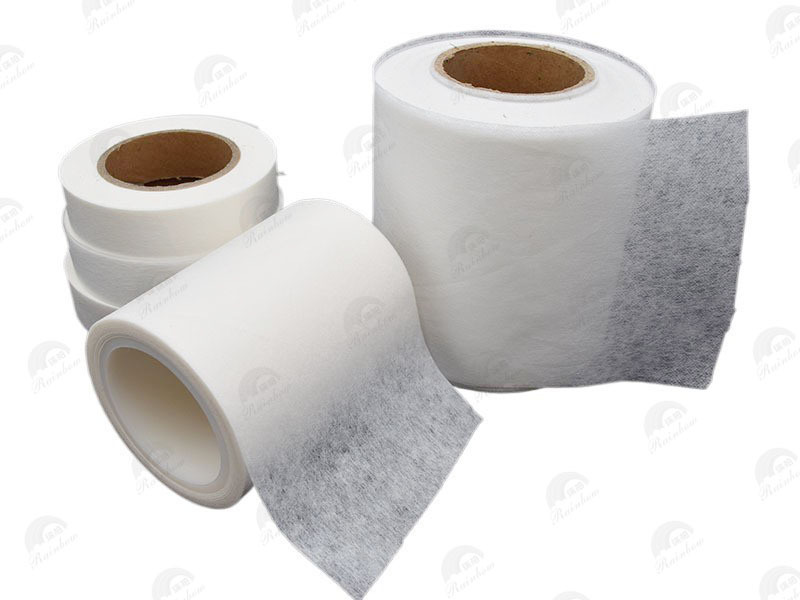
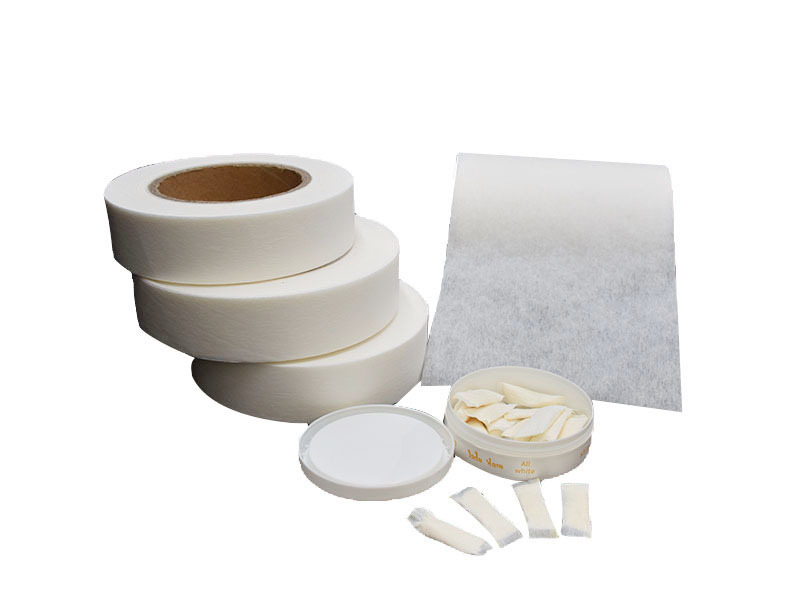
In the textile industry, achieving high-quality products is paramount. **Nonwoven fusible interlining** is a material that enhances the structural integrity and longevity of fabrics. Unlike woven interlinings, which are made from traditional textile methods, nonwoven fusible interlinings are produced through techniques that bond fibers together without weaving, resulting in a lightweight yet durable product.
What is Nonwoven Fusible Interlining?
Nonwoven fusible interlining is essentially a composite material made from synthetic fibers that are bonded together using heat, pressure, or chemical means. This process creates a fabric that is not only lightweight but also has a unique ability to bond with other fabrics when heat is applied. The fusible aspect of interlining refers to its adhesive properties that allow it to stick to the main fabric, providing support and structure.
Types of Nonwoven Fusible Interlining
There are several types of nonwoven fusible interlining, each designed for specific applications:
- Lightweight Interlining: Ideal for lightweight fabrics, this type provides minimal structure while ensuring comfort.
- Medium-weight Interlining: Offering more support, this option is perfect for dresses and blouses.
- Heavy-weight Interlining: Designed for outerwear and tailored garments, it provides maximum structure and stability.
Benefits of Nonwoven Fusible Interlining
Nonwoven fusible interlining provides numerous advantages that contribute to the overall quality of textile products.
Durability and Longevity
One of the primary benefits of nonwoven fusible interlining is its exceptional durability. The bonding process used in manufacturing ensures that the interlining can withstand wear and tear, making it ideal for garments that require longevity. This durability translates to reduced fabric waste and a longer lifespan for textile products.
Enhanced Comfort
Nonwoven fusible interlining contributes to the comfort of garments. Its lightweight nature means it does not add bulk, allowing for greater freedom of movement. Additionally, it helps regulate temperature, making it suitable for various climates and seasons.
Aesthetic Appeal
The use of nonwoven fusible interlining enhances the overall aesthetic of a garment. It provides a clean, structured look that elevates the design. Whether it’s a tailored suit or a flowing dress, the right interlining can make a significant difference in the finished product.
Applications of Nonwoven Fusible Interlining
Nonwoven fusible interlining finds applications across a wide array of textile products:
- Apparel: Used in shirts, blouses, jackets, and formal wear to provide structure and support.
- Home Textiles: Ideal for curtains, upholstery, and bedding, enhancing both durability and appearance.
- Accessories: Employed in bags, hats, and other accessories to maintain shape and form.
The Manufacturing Process of Nonwoven Fusible Interlining
The manufacturing process of nonwoven fusible interlining involves several key steps:
- Fiber Selection: The process begins with selecting the appropriate fibers, typically polyester or nylon, known for their strength and durability.
- Bonding: Fibers are bonded using heat or adhesives, creating a nonwoven fabric that has the desired properties.
- Fusible Coating: An adhesive layer is applied to one side of the fabric, allowing it to bond with the main textile when heat is applied.
- Quality Control: Rigorous testing ensures that the interlining meets industry standards for quality and performance.
Choosing the Right Nonwoven Fusible Interlining
Selecting the appropriate nonwoven fusible interlining is crucial for the success of your textile project. Consider the following factors:
- Fabric Type: The weight and type of the main fabric will influence your choice of interlining.
- End Use: Consider whether the garment is for everyday wear or special occasions, affecting the required durability and aesthetic.
- Care Instructions: Ensure the interlining is compatible with the washing and care instructions of the main fabric.
Common FAQs About Nonwoven Fusible Interlining
1. What is the difference between woven and nonwoven fusible interlining?
Woven interlining is made from woven fabrics, offering different characteristics than nonwoven, which is bonded without weaving. Nonwoven is typically lighter and more adaptable to various fabric types.
2. Can nonwoven fusible interlining be used in all types of fabrics?
While nonwoven fusible interlining is versatile, it is essential to choose the right type for specific fabrics to ensure optimal results.
3. Is nonwoven fusible interlining washable?
Yes, most nonwoven fusible interlinings are washable. However, following the care instructions is crucial to maintain their integrity.
4. How does heat affect nonwoven fusible interlining?
Heat activates the adhesive on the interlining, allowing it to bond securely with the main fabric. Proper application ensures a strong and lasting bond.
5. Can I use nonwoven fusible interlining for DIY projects?
Absolutely! Nonwoven fusible interlining is an excellent choice for various DIY textile projects, providing professional results with ease.
Conclusion
Nonwoven fusible interlining is an essential component in the textile industry, significantly enhancing the quality and performance of fabrics. Its unique properties offer durability, comfort, and aesthetic appeal, making it suitable for a wide range of applications. As the demand for high-quality textile products continues to rise, understanding and utilizing nonwoven fusible interlining will undoubtedly give manufacturers and designers a competitive edge in the market. By prioritizing this innovative material, we can ensure the production of garments that not only look good but also stand the test of time.
Nonwoven fusible interlining
Previous Page
Previous Page
Latest News


Nantong Rainbow Nonwoven Tech Co.,Ltd.
Telephone:+86-13587673537 +86-15851257231
E-mail:chrislc717@163.com christy@ntrainbow.com
sales1@ntrainbow.com
Address: (No. 88, Sanzong South Road) Group 42, Xichansi Village, Xiting Town, Tongzhou District, Nantong City, Jiangsu Province

Copyright©2024 Nantong Rainbow Technology Co., Ltd. | Powered by www.300.cn
Copyright©2024 Nantong Rainbow Technology Co., Ltd.
Powered by www.300.cn