
Chemical Bonded Nonwoven Interlining: The Unsung Hero of Textiles
Release time:
2025-12-29
Chemical Bonded Nonwoven Interlining: The Unsung Hero of Textiles
Table of Contents
- Introduction to Chemical Bonded Nonwoven Interlining
- What is Chemical Bonded Nonwoven Interlining?
- The Manufacturing Process of Chemical Bonded Nonwoven Interlining
- Applications of Chemical Bonded Nonwoven Interlining in Textiles
- Benefits of Using Nonwoven Interlining in Garment Production
- Performance Characteristics of Chemical Bonded Nonwoven Interliners
- Sustainability Concerns and Innovations
- Future Trends in Chemical Bonded Nonwoven Interlining
- Frequently Asked Questions
- Conclusion
Introduction to Chemical Bonded Nonwoven Interlining
Chemical bonded nonwoven interlining is often overlooked in discussions about textile innovation, yet it plays a pivotal role in enhancing the quality and durability of garments. As the backbone of many clothing items, this versatile material provides structure, support, and functionality. In this article, we will dive deep into the various aspects of chemical bonded nonwoven interlining, shedding light on its importance and impact in the textile industry.
What is Chemical Bonded Nonwoven Interlining?
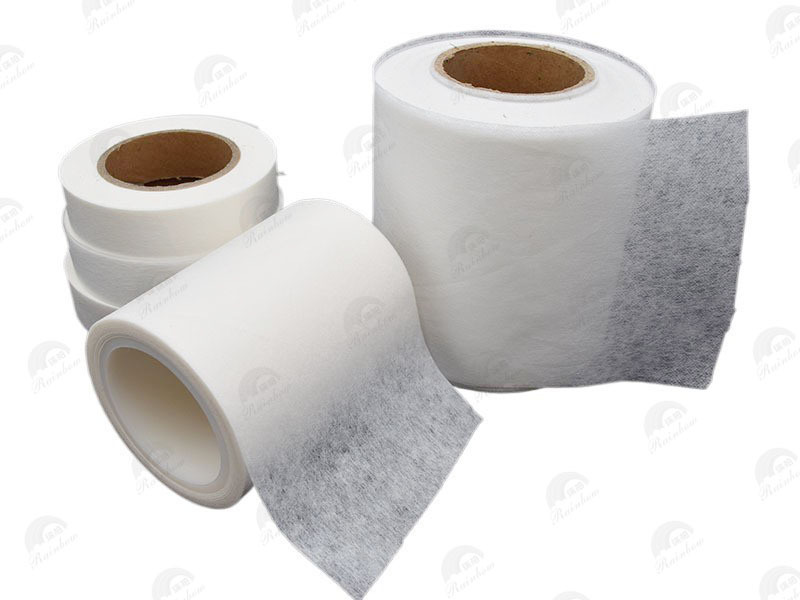
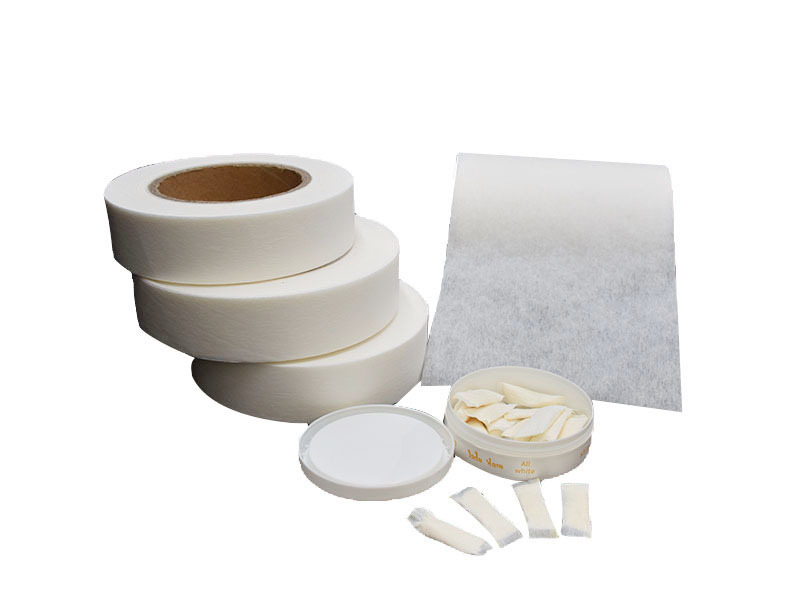
Chemical bonded nonwoven interlining is a fabric made from synthetic fibers that are bonded together using chemical adhesives. Unlike traditional woven fabrics, nonwoven materials do not require weaving or knitting processes. Instead, they are produced through various methods, including mechanical, thermal, or chemical processes, which result in a strong and durable material.
This type of interlining is primarily used to enhance the performance of garments by providing additional support and structure. It is commonly utilized in tailored clothing, collars, cuffs, and waistbands, where added stability is essential. The unique manufacturing process contributes to its lightweight nature, making it an ideal choice for various applications.
The Manufacturing Process of Chemical Bonded Nonwoven Interlining
The production of chemical bonded nonwoven interlining involves several key steps, each of which contributes to the final quality and performance of the material. Understanding these steps helps us appreciate the complexity and sophistication of this essential textile component.
1. Fiber Selection
The first step in the manufacturing process is selecting the appropriate synthetic fibers. Common choices include polyester, nylon, and polypropylene. Each fiber type offers unique benefits, such as durability, flexibility, and resistance to wear and tear.
2. Fiber Preparation
Once the fibers are selected, they undergo preparation, which involves processes like carding and blending to ensure uniformity. The fibers are arranged in a web-like formation, setting the stage for bonding.
3. Bonding Process
This is where the magic happens. Chemical adhesives, typically applied in a liquid form, bind the fibers together. The bonding process can vary depending on the desired properties of the interlining. For example, some manufacturers may use a spray adhesive, while others opt for a coating method.
4. Finishing Treatments
After bonding, the interlining may undergo various finishing treatments to enhance specific characteristics. These treatments can include water repellency, flame resistance, or softening agents to improve comfort when worn.
Applications of Chemical Bonded Nonwoven Interlining in Textiles
Chemical bonded nonwoven interlining finds applications across a broad spectrum of textile products. Its versatility is a key reason why it has become a staple in garment production. Here are some common applications:
1. Tailored Clothing
In tailored garments, such as suits and blazers, chemical bonded nonwoven interlining is essential for maintaining the shape and structure of the piece. It helps achieve crisp lines and a polished look, allowing for a refined appearance.
2. Shirt Collars and Cuffs
Collars and cuffs benefit significantly from the added support provided by nonwoven interlining. It helps keep these areas stiff and well-defined, enhancing the overall aesthetic of the shirt.
3. Waistbands
In pants and skirts, chemical bonded nonwoven interlining is often used in waistbands to prevent stretching and sagging. This ensures that garments maintain a good fit over time, contributing to the durability of the clothing.
4. Accessories and Home Textiles
Beyond clothing, this interlining material is also widely used in accessories such as bags and hats, as well as in home textiles like curtains and upholstery, where stability and shape retention are required.
Benefits of Using Nonwoven Interlining in Garment Production
The advantages of incorporating chemical bonded nonwoven interlining into garment production are numerous. Here are some key benefits:
1. Enhanced Durability
Garments made with chemical bonded nonwoven interlining tend to have increased durability. The interlining provides an additional layer of support, helping garments withstand daily wear and tear.
2. Improved Comfort
Despite its structural qualities, chemical bonded nonwoven interlining can be lightweight and breathable, ensuring that garments remain comfortable to wear for extended periods.
3. Versatile Applications
This interlining material is suitable for a wide range of fabric types and garment styles, making it an adaptable choice for manufacturers catering to diverse markets.
4. Cost-Effective Solution
Using chemical bonded nonwoven interlining can be a cost-effective solution for enhancing garment quality. It provides significant benefits without adding excessive weight or bulk, thus optimizing production processes.
Performance Characteristics of Chemical Bonded Nonwoven Interliners
Understanding the performance characteristics of chemical bonded nonwoven interliners can help manufacturers select the right material for their specific applications.
1. Weight and Thickness
Chemical bonded nonwoven interlining comes in various weights and thicknesses, allowing manufacturers to choose options that best suit their garment needs. Lighter weights are ideal for delicate fabrics, while heavier options provide more structure.
2. Flexibility and Stretch
The flexibility of nonwoven interlining allows it to move with the garment, ensuring comfort without sacrificing support. Certain types also offer stretchability, making them suitable for activewear.
3. Adhesive Strength
The strength of the adhesive used in the bonding process is critical for performance. High-quality adhesives ensure that the interlining remains securely bonded throughout the life of the garment.
4. Resistance to Shrinkage and Wrinkling
Chemical bonded nonwoven interlining typically exhibits excellent resistance to shrinkage and wrinkling, contributing to the longevity of garments and reducing the need for frequent ironing.
Sustainability Concerns and Innovations
As the textile industry increasingly focuses on sustainability, it is essential to consider the environmental impact of materials like chemical bonded nonwoven interlining. Innovations in sustainable production methods and the use of eco-friendly fibers are changing the landscape.
1. Recyclability and Biodegradability
Manufacturers are exploring recyclable and biodegradable materials for nonwoven interlining, aiming to reduce waste and environmental impact. This shift towards eco-conscious practices is becoming a critical factor in the industry.
2. Reduced Water and Energy Consumption
Innovations in production processes are leading to reduced water and energy consumption, making the manufacturing of chemical bonded nonwoven interlining more sustainable.
3. Certification and Standards
Many manufacturers are seeking certifications that demonstrate their commitment to sustainability, such as Global Organic Textile Standard (GOTS) or OEKO-TEX certification, which ensure that their products meet high environmental and safety standards.
Future Trends in Chemical Bonded Nonwoven Interlining
The future of chemical bonded nonwoven interlining is promising, with several trends emerging that could shape its development and application within the textile industry.
1. Smart Fabrics Integration
The integration of smart technologies into textiles is on the rise. Future nonwoven interlining may incorporate sensors and other technologies, enabling garments to respond to environmental conditions.
2. Customization and Personalization
With advancements in manufacturing technologies, customization and personalization of nonwoven interlining could become more accessible, allowing manufacturers to tailor materials specifically for unique garment requirements.
3. Sustainable Innovations
As sustainability continues to take center stage, we can expect an increase in the development of innovative materials and processes that prioritize environmental responsibility without compromising quality.
Frequently Asked Questions
1. What is the main purpose of chemical bonded nonwoven interlining?
The primary purpose of chemical bonded nonwoven interlining is to provide support and structure to garments, enhancing their overall quality and durability.
2. How does chemical bonded nonwoven interlining differ from traditional interlining?
Unlike traditional interlining, which is woven or knitted, chemical bonded nonwoven interlining is made from bonded synthetic fibers, allowing for unique characteristics such as lightweight and flexibility.
3. Can chemical bonded nonwoven interlining be used in activewear?
Yes, many types of chemical bonded nonwoven interlining are designed to be flexible and breathable, making them suitable for activewear applications.
4. Is chemical bonded nonwoven interlining environmentally friendly?
While traditional nonwoven interlining materials may have environmental concerns, many manufacturers are now producing sustainable options that are recyclable or biodegradable.
5. How do I choose the right type of nonwoven interlining for my garments?
Choosing the right nonwoven interlining depends on the specific requirements of your garment, including weight, desired structure, and fabric type. Consulting with suppliers can help you make the best choice.
Conclusion
Chemical bonded nonwoven interlining is indeed the unsung hero of the textile industry. Its unique properties and applications play a fundamental role in enhancing the quality and durability of garments. As manufacturers continue to innovate and prioritize sustainability, the future of this essential material looks promising. Understanding its benefits, applications, and performance characteristics can help businesses leverage nonwoven interlining to create superior textile products that meet the demands of modern consumers.
chemical bonded nonwoven interlining fabric
Previous Page
Latest News


Nantong Rainbow Nonwoven Tech Co.,Ltd.
Telephone:+86-13587673537 +86-15851257231
E-mail:chrislc717@163.com christy@ntrainbow.com
sales1@ntrainbow.com
Address: (No. 88, Sanzong South Road) Group 42, Xichansi Village, Xiting Town, Tongzhou District, Nantong City, Jiangsu Province

Copyright©2024 Nantong Rainbow Technology Co., Ltd. | Powered by www.300.cn
Copyright©2024 Nantong Rainbow Technology Co., Ltd.
Powered by www.300.cn