
Understanding Nonwoven Fusible Interlining: A Key Component in Textile Applications
Release time:
2025-11-17
Nonwoven fusible interlining is a specialized material widely used in the textile industry, particularly in garment manufacturing. This versatile fabric is made from synthetic or natural fibers that are bonded together through various methods, including heat, pressure, or adhesive. Its primary function is to provide structure, support, and stability to fabrics, especially in areas that require reinforcement, such as collars, cuffs, and waistbands.
One of the standout features of nonwoven fusible interlining is its fusibility, which allows it to bond seamlessly with the main fabric when heat is applied. This characteristic not only helps maintain the shape and form of the garment but also enhances its overall appearance by providing a smooth finish. The fusible properties of this interlining make it an ideal choice for various applications, including tailored garments, casual wear, and even home textiles.
The benefits of using nonwoven fusible interlining are numerous. First and foremost, it significantly improves the garment's durability. By reinforcing specific areas, it helps prevent wear and tear, extending the life of the clothing item. Additionally, this type of interlining contributes to the garment's aesthetic appeal. A well-constructed piece will exhibit clean lines and a polished look, making it more attractive to consumers.
Furthermore, nonwoven fusible interlining is available in a variety of weights and compositions, allowing manufacturers to select the perfect type for their specific needs. Lighter weights are often used in delicate fabrics, while heavier options provide additional support for structured designs. This adaptability makes nonwoven fusible interlining a go-to material for many designers and manufacturers looking to achieve a specific fit and finish in their collections.
Another significant advantage is its ease of use. Unlike traditional woven interlinings, nonwoven options are less likely to fray, making the cutting and application processes more straightforward. This feature not only saves time during production but also reduces waste, contributing to a more sustainable manufacturing process.
In conclusion, nonwoven fusible interlining represents a vital component in the textile industry, providing essential support and structure to garments. Its unique properties and versatility make it a preferred choice among manufacturers seeking to enhance the quality and durability of their products. By understanding the benefits and applications of nonwoven fusible interlining, businesses can make informed decisions that positively impact their textile offerings and ultimately satisfy customer needs.
One of the standout features of nonwoven fusible interlining is its fusibility, which allows it to bond seamlessly with the main fabric when heat is applied. This characteristic not only helps maintain the shape and form of the garment but also enhances its overall appearance by providing a smooth finish. The fusible properties of this interlining make it an ideal choice for various applications, including tailored garments, casual wear, and even home textiles.
The benefits of using nonwoven fusible interlining are numerous. First and foremost, it significantly improves the garment's durability. By reinforcing specific areas, it helps prevent wear and tear, extending the life of the clothing item. Additionally, this type of interlining contributes to the garment's aesthetic appeal. A well-constructed piece will exhibit clean lines and a polished look, making it more attractive to consumers.
Furthermore, nonwoven fusible interlining is available in a variety of weights and compositions, allowing manufacturers to select the perfect type for their specific needs. Lighter weights are often used in delicate fabrics, while heavier options provide additional support for structured designs. This adaptability makes nonwoven fusible interlining a go-to material for many designers and manufacturers looking to achieve a specific fit and finish in their collections.
Another significant advantage is its ease of use. Unlike traditional woven interlinings, nonwoven options are less likely to fray, making the cutting and application processes more straightforward. This feature not only saves time during production but also reduces waste, contributing to a more sustainable manufacturing process.
In conclusion, nonwoven fusible interlining represents a vital component in the textile industry, providing essential support and structure to garments. Its unique properties and versatility make it a preferred choice among manufacturers seeking to enhance the quality and durability of their products. By understanding the benefits and applications of nonwoven fusible interlining, businesses can make informed decisions that positively impact their textile offerings and ultimately satisfy customer needs.
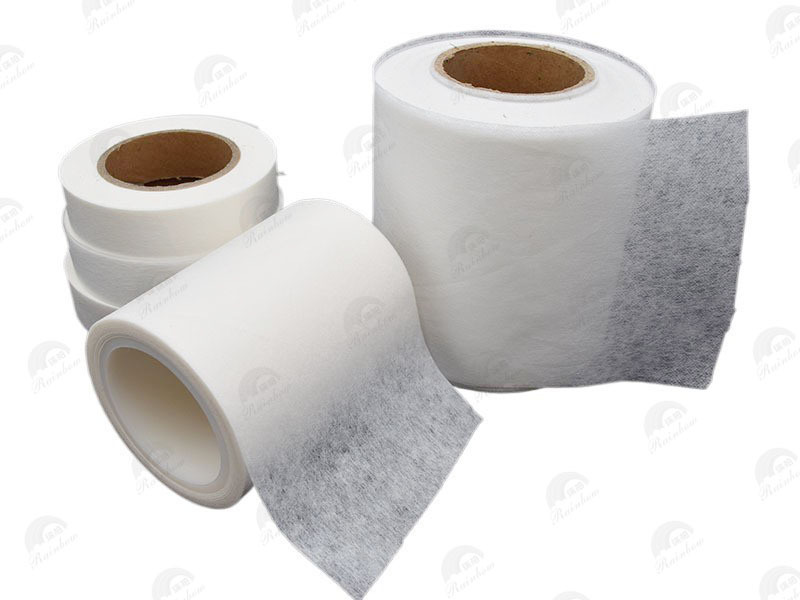
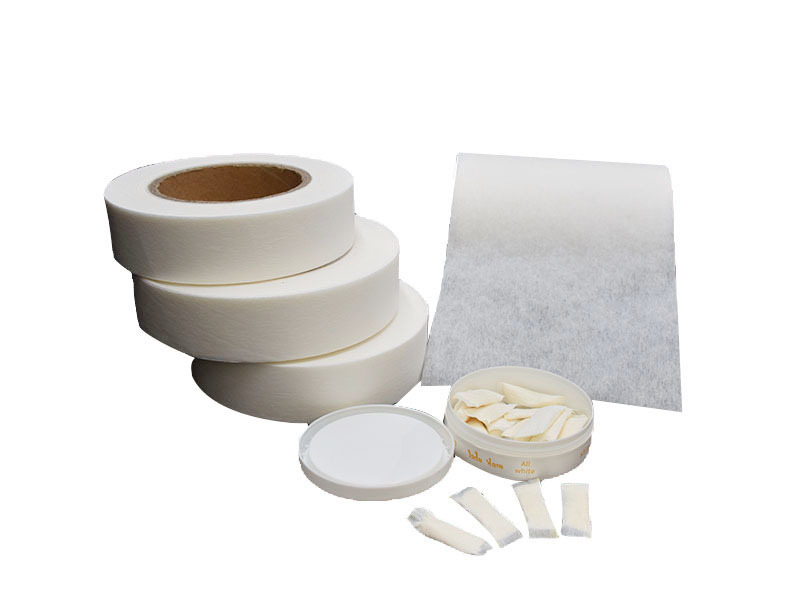
Nonwoven fusible interlining
Latest News


Nantong Rainbow Nonwoven Tech Co.,Ltd.
Telephone:+86-13587673537 +86-15851257231
E-mail:chrislc717@163.com christy@ntrainbow.com
sales1@ntrainbow.com
Address: (No. 88, Sanzong South Road) Group 42, Xichansi Village, Xiting Town, Tongzhou District, Nantong City, Jiangsu Province

Copyright©2024 Nantong Rainbow Technology Co., Ltd. | Powered by www.300.cn
Copyright©2024 Nantong Rainbow Technology Co., Ltd.
Powered by www.300.cn