
Top 5 Reasons to Use Chemical Bonded Nonwoven Interlining in Fashion Design
Release time:
2025-10-11
Top 5 Reasons to Use Chemical Bonded Nonwoven Interlining in Fashion Design
Introduction to Chemical Bonded Nonwoven Interlining
In the fast-paced world of fashion design, the materials we choose can significantly influence the overall quality and appeal of our garments. **Chemical bonded nonwoven interlining** has emerged as a popular choice among designers for its versatility and performance. This innovative material not only enhances the structural integrity of garments but also plays a crucial role in aesthetics and comfort. In this article, we will explore the **top five reasons** why incorporating chemical bonded nonwoven interlining into fashion design is a game-changer.
Table of Contents
1. Understanding Chemical Bonding in Nonwoven Interlining
2. Enhanced Durability and Stability
3. Lightweight and Breathable Characteristics
4. Versatile Application in Various Garment Types
5. Cost-Effectiveness in Production
6. Frequently Asked Questions
7. Conclusion
1. Understanding Chemical Bonding in Nonwoven Interlining
Chemical bonded nonwoven interlining is created by bonding fibers through a chemical process rather than traditional weaving or knitting methods. This process allows for the production of a wide variety of fabric types, each tailored to meet specific demands in fashion design. The **chemical bonding** offers advantages such as uniformity, consistency, and a range of textures, making it an ideal choice for designers looking to innovate. With increasing consumer demand for high-quality garments, understanding the unique properties of chemical bonded nonwoven interlining is crucial for modern fashion design.
2. Enhanced Durability and Stability
One of the primary benefits of using chemical bonded nonwoven interlining is its **enhanced durability and stability**. Unlike traditional interlining, which may fray or wear over time, chemical bonded options are engineered to withstand the rigors of everyday wear. This durability translates into garments that maintain their shape and structure, ensuring that they look polished and professional throughout their lifecycle. Whether designing tailored suits or casual wear, integrating this type of interlining can significantly improve the overall longevity of the finished product.
2.1 How Durability Affects Fashion Design
A durable garment is more than just a selling point—it reflects the quality and craftsmanship of the designer. By using chemical bonded nonwoven interlining, designers can offer pieces that not only appeal to customers but also stand the test of time. This commitment to durability can lead to increased customer satisfaction and loyalty, as well as a stronger brand reputation in the competitive fashion market.
3. Lightweight and Breathable Characteristics
Another compelling reason to use chemical bonded nonwoven interlining is its **lightweight and breathable characteristics**. In an industry where comfort is paramount, this interlining allows for the creation of garments that are both stylish and wearable. The lightweight nature ensures that garments do not feel bulky or restrictive, while the breathability provides comfort in varying temperatures. Fashion designers can thus create innovative designs without compromising on wearability.
3.1 The Importance of Comfort in Fashion
Comfort has become a significant factor in consumer purchasing decisions. By utilizing lightweight and breathable chemical bonded nonwoven interlining, designers can cater to the modern consumer's need for stylish yet comfortable clothing. This balance enhances the overall appeal of the garments, making them more attractive to a wider audience.
4. Versatile Application in Various Garment Types
Chemical bonded nonwoven interlining is incredibly versatile, making it suitable for a vast range of garment types. From structured blazers to flowing dresses, this material can be adapted to meet the specific needs of different designs. The adaptability of chemical bonded nonwoven interlining allows designers to push creative boundaries, experimenting with silhouettes and styles that were previously challenging to achieve.
4.1 Innovative Uses of Nonwoven Interlining
In recent years, designers have begun to explore innovative uses of chemical bonded nonwoven interlining, such as in accessories and outerwear. Its unique properties lend themselves well to creating structured bags, hats, and even outerwear that require a certain level of rigidity without sacrificing comfort. This versatility allows designers to maintain a cohesive design language across various product lines.
5. Cost-Effectiveness in Production
Lastly, **cost-effectiveness in production** makes chemical bonded nonwoven interlining an attractive option for fashion designers. While the initial investment may be higher than traditional interlining options, the long-term savings in terms of durability and reduced waste far outweigh the initial costs. Additionally, the efficiency of production processes related to chemical bonded nonwoven interlining can lead to faster turnaround times, enabling designers to bring their collections to market more swiftly.
5.1 Balancing Quality and Affordability
In today's competitive fashion landscape, designers must balance quality with affordability. By choosing chemical bonded nonwoven interlining, they can achieve high-quality results while maintaining cost control. This approach not only enhances the final product but also contributes to the overall profitability of a fashion line.
6. Frequently Asked Questions
What is chemical bonded nonwoven interlining?
Chemical bonded nonwoven interlining is a type of fabric created by bonding fibers through a chemical process, resulting in a durable and versatile material used in garment construction.
How does chemical bonding differ from traditional interlining methods?
Traditional interlining methods typically involve weaving or knitting, which may result in less uniformity and durability compared to chemical bonded options.
Can chemical bonded nonwoven interlining be used in all types of garments?
Yes, this interlining is versatile and can be used in a wide range of garments, including structured and flowing designs.
Is chemical bonded nonwoven interlining environmentally friendly?
Many manufacturers are now producing chemical bonded nonwoven interlining using eco-friendly materials and processes, making it a more sustainable choice compared to traditional interlining options.
How can I determine the right type of nonwoven interlining for my designs?
Consider the specific needs of your garment, such as the desired structure, weight, and comfort level. Consulting with suppliers can also provide valuable insights into selecting the right type.
7. Conclusion
In conclusion, the integration of **chemical bonded nonwoven interlining** into fashion design offers numerous advantages, including enhanced durability, lightweight characteristics, versatility, and cost-effectiveness. As designers strive to create innovative and high-quality garments, this material proves to be an invaluable asset. By understanding the benefits and applications of chemical bonded nonwoven interlining, fashion professionals can elevate their designs and meet the evolving demands of today's consumers. Embrace the future of fashion design with this transformative material, and watch your creations thrive in the competitive marketplace.
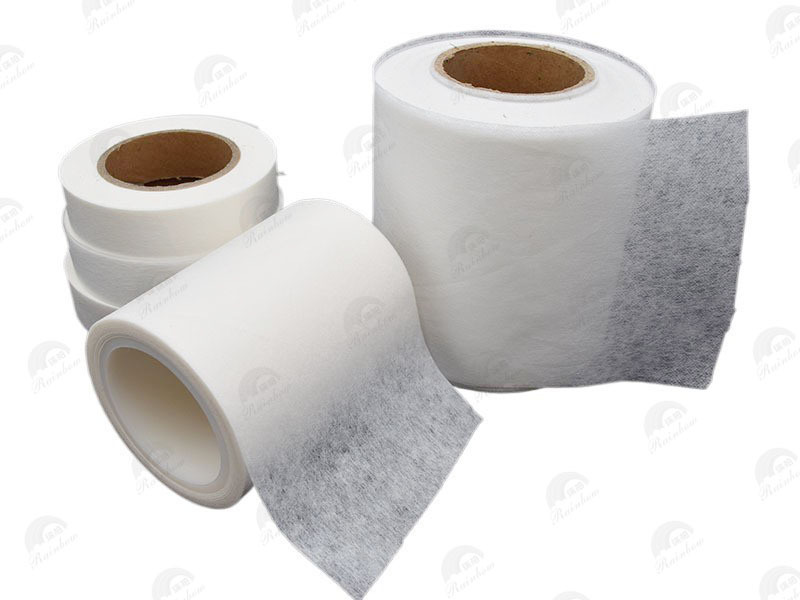
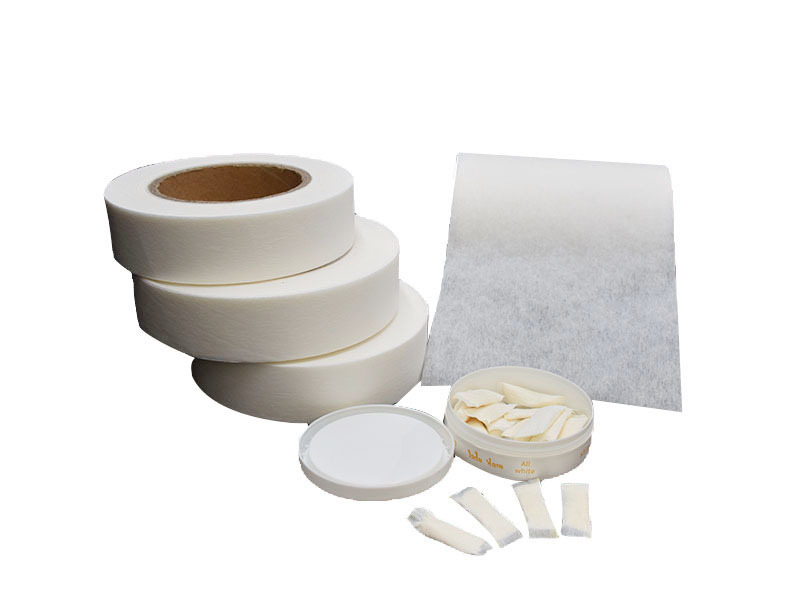
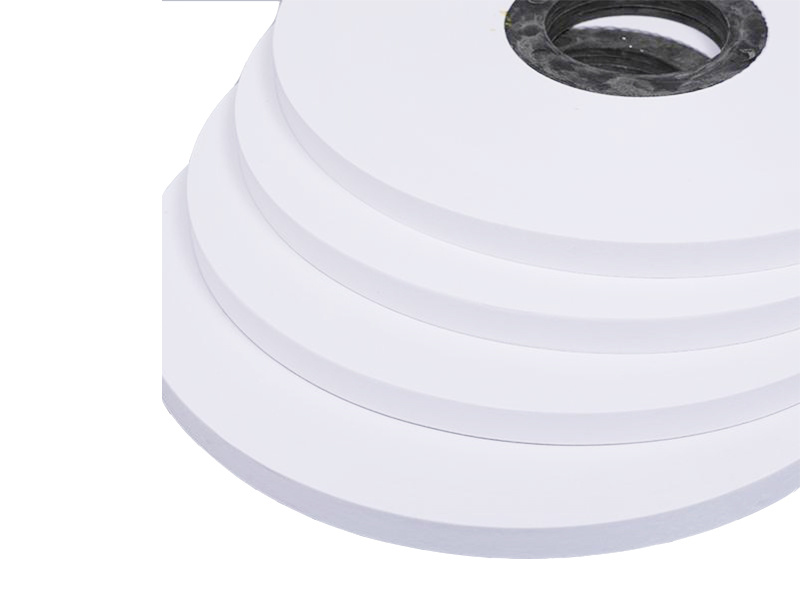
chemical bonded nonwoven interlining fabric
Latest News


Nantong Rainbow Nonwoven Tech Co.,Ltd.
Telephone:+86-13587673537 +86-15851257231
E-mail:chrislc717@163.com christy@ntrainbow.com
sales1@ntrainbow.com
Address: (No. 88, Sanzong South Road) Group 42, Xichansi Village, Xiting Town, Tongzhou District, Nantong City, Jiangsu Province

Copyright©2024 Nantong Rainbow Technology Co., Ltd. | Powered by www.300.cn
Copyright©2024 Nantong Rainbow Technology Co., Ltd.
Powered by www.300.cn