
Understanding Nonwoven Fusible Interlining: A Key Component in Textile Applications
Release time:
2025-10-06
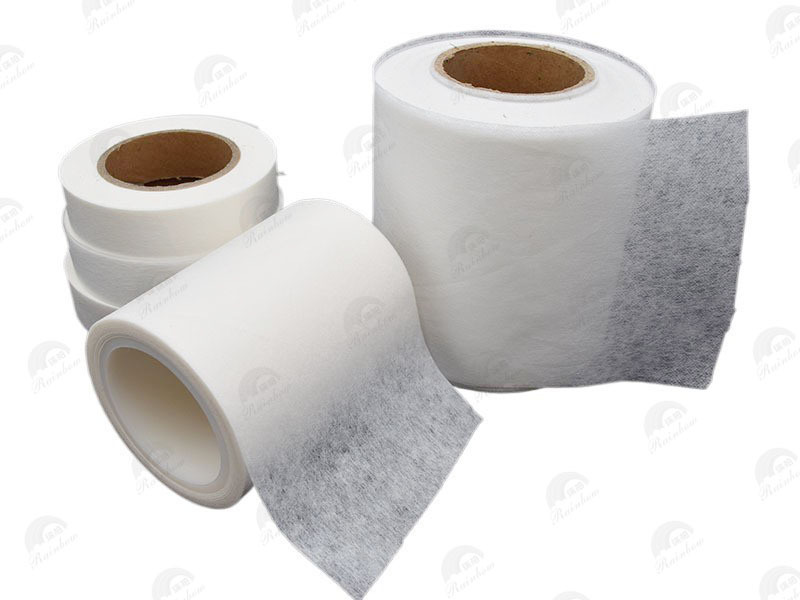
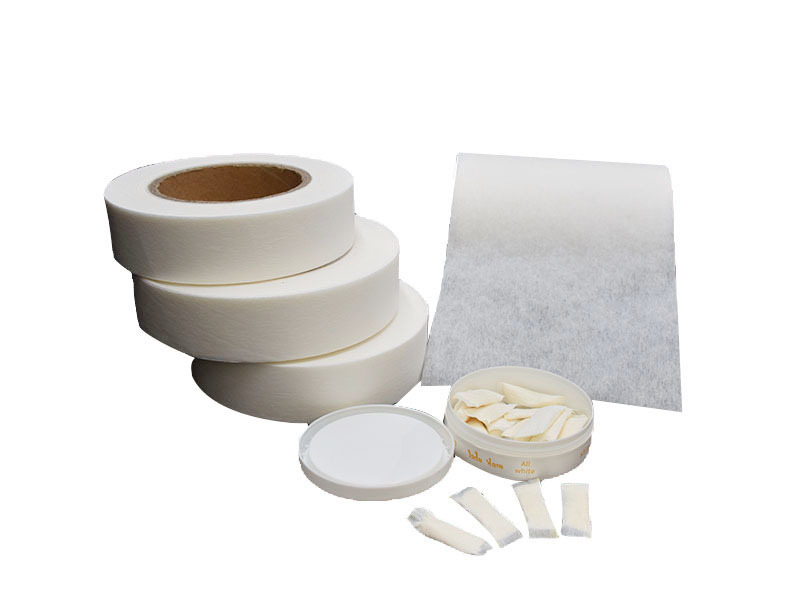
Nonwoven fusible interlining plays a pivotal role in the textile industry, serving as an essential component in the production of garments and other fabric-based products. This specialized material is designed to provide structure and stability to fabrics, making it particularly valuable in applications where shape retention and durability are crucial.
One of the primary characteristics of nonwoven fusible interlining is its unique construction. Unlike traditional woven interlinings, which are made by weaving fibers together, nonwoven interlining is produced through a process that entangles fibers through mechanical, thermal, or chemical means. This results in a lightweight, flexible material that can easily conform to the contours of the fabric it is applied to. The fusible aspect means that the interlining has a heat-activated adhesive on one side, allowing it to bond seamlessly with the outer fabric when pressed with an iron.
Professionals in the textile industry appreciate nonwoven fusible interlining for its versatility. It is commonly used in a variety of applications, including shirt collars, cuffs, and waistband facings. By providing additional support, it helps to enhance the overall appearance and longevity of garments. Moreover, it is available in various weights and thicknesses, allowing designers to select the appropriate type based on the specific requirements of their projects.
Another advantage of nonwoven fusible interlining is its ease of application. The bonding process is straightforward, requiring minimal equipment and expertise, which makes it an attractive choice for manufacturers looking to streamline their production processes. Additionally, the nonwoven structure often results in a softer drape compared to traditional woven interlinings, which can be beneficial in achieving a more comfortable fit.
In terms of performance, nonwoven fusible interlining offers excellent resistance to shrinkage and distortion, ensuring that garments maintain their shape even after multiple washes. This durability is essential for consumer satisfaction, as it reduces the likelihood of garment malfunction over time.
For those involved in the textile sector, understanding the properties and applications of nonwoven fusible interlining is crucial. It not only aids in selecting the right materials for specific products but also enhances the overall quality and appeal of the final output. Whether you are a designer, manufacturer, or retailer, incorporating nonwoven fusible interlining into your textile offerings can significantly elevate your product line and meet the growing demands of the market.
In conclusion, nonwoven fusible interlining is a fundamental textile component that provides structure, support, and durability to garments. Its unique properties and ease of use make it an invaluable resource for textile professionals aiming to produce high-quality and reliable products.
One of the primary characteristics of nonwoven fusible interlining is its unique construction. Unlike traditional woven interlinings, which are made by weaving fibers together, nonwoven interlining is produced through a process that entangles fibers through mechanical, thermal, or chemical means. This results in a lightweight, flexible material that can easily conform to the contours of the fabric it is applied to. The fusible aspect means that the interlining has a heat-activated adhesive on one side, allowing it to bond seamlessly with the outer fabric when pressed with an iron.
Professionals in the textile industry appreciate nonwoven fusible interlining for its versatility. It is commonly used in a variety of applications, including shirt collars, cuffs, and waistband facings. By providing additional support, it helps to enhance the overall appearance and longevity of garments. Moreover, it is available in various weights and thicknesses, allowing designers to select the appropriate type based on the specific requirements of their projects.
Another advantage of nonwoven fusible interlining is its ease of application. The bonding process is straightforward, requiring minimal equipment and expertise, which makes it an attractive choice for manufacturers looking to streamline their production processes. Additionally, the nonwoven structure often results in a softer drape compared to traditional woven interlinings, which can be beneficial in achieving a more comfortable fit.
In terms of performance, nonwoven fusible interlining offers excellent resistance to shrinkage and distortion, ensuring that garments maintain their shape even after multiple washes. This durability is essential for consumer satisfaction, as it reduces the likelihood of garment malfunction over time.
For those involved in the textile sector, understanding the properties and applications of nonwoven fusible interlining is crucial. It not only aids in selecting the right materials for specific products but also enhances the overall quality and appeal of the final output. Whether you are a designer, manufacturer, or retailer, incorporating nonwoven fusible interlining into your textile offerings can significantly elevate your product line and meet the growing demands of the market.
In conclusion, nonwoven fusible interlining is a fundamental textile component that provides structure, support, and durability to garments. Its unique properties and ease of use make it an invaluable resource for textile professionals aiming to produce high-quality and reliable products.
Nonwoven fusible interlining
Latest News


Nantong Rainbow Nonwoven Tech Co.,Ltd.
Telephone:+86-13587673537 +86-15851257231
E-mail:chrislc717@163.com christy@ntrainbow.com
sales1@ntrainbow.com
Address: (No. 88, Sanzong South Road) Group 42, Xichansi Village, Xiting Town, Tongzhou District, Nantong City, Jiangsu Province

Copyright©2024 Nantong Rainbow Technology Co., Ltd. | Powered by www.300.cn
Copyright©2024 Nantong Rainbow Technology Co., Ltd.
Powered by www.300.cn