
Exploring the Versatility of Foam Bonded Nonwoven Linings in Textile Applications
Release time:
2025-09-16
Foam bonded nonwoven linings are emerging as a significant component in various textile applications, offering unique advantages due to their composite structure and functional properties. These materials are created through a specialized process that integrates foam with nonwoven fabrics, resulting in a product that combines the best attributes of both materials.
One of the primary benefits of foam bonded nonwoven linings is their lightweight nature. This makes them an ideal choice for applications where weight is a concern, such as in clothing, upholstery, and protective gear. The lightweight quality does not compromise durability; in fact, these linings provide excellent strength and resistance to wear, making them suitable for high-performance applications.
Moreover, the foam component contributes to superior cushioning and insulation properties. This feature is particularly advantageous in products designed for comfort and thermal regulation. For instance, in footwear, foam bonded nonwoven linings can enhance comfort levels by providing better shock absorption and reducing fatigue during extended wear. Additionally, in outerwear, they can offer increased warmth without adding bulk, making them an excellent choice for cold-weather clothing.
Another remarkable aspect of foam bonded nonwoven linings is their breathability. The structure allows for air circulation, which is crucial in applications such as sports apparel and activewear, where moisture management is essential. This breathability combined with moisture-wicking properties helps keep the wearer dry and comfortable, enhancing overall performance.
Furthermore, foam bonded nonwoven linings are also resistant to various environmental factors, including water and chemicals. This resistance can extend the life of products, making them a cost-effective option for manufacturers. Their versatility means they can be easily dyed or printed, allowing for aesthetic customization without compromising functionality.
In terms of sustainability, the production processes of foam bonded nonwoven linings can be optimized to reduce waste and energy consumption. Many manufacturers are now exploring eco-friendly materials, contributing to the growing trend of sustainable textiles. By choosing foam bonded nonwoven linings made from recycled or biodegradable materials, companies can align with environmental initiatives while providing high-quality products.
In conclusion, foam bonded nonwoven linings represent a dynamic solution within the textile industry, particularly for nonwoven fabric applications. Their lightweight, cushioned, breathable, and durable characteristics make them crucial in various sectors, from fashion to industrial uses. As the demand for innovative and sustainable textile solutions continues to rise, foam bonded nonwoven linings will undoubtedly play a pivotal role in shaping the future of this industry.
One of the primary benefits of foam bonded nonwoven linings is their lightweight nature. This makes them an ideal choice for applications where weight is a concern, such as in clothing, upholstery, and protective gear. The lightweight quality does not compromise durability; in fact, these linings provide excellent strength and resistance to wear, making them suitable for high-performance applications.
Moreover, the foam component contributes to superior cushioning and insulation properties. This feature is particularly advantageous in products designed for comfort and thermal regulation. For instance, in footwear, foam bonded nonwoven linings can enhance comfort levels by providing better shock absorption and reducing fatigue during extended wear. Additionally, in outerwear, they can offer increased warmth without adding bulk, making them an excellent choice for cold-weather clothing.
Another remarkable aspect of foam bonded nonwoven linings is their breathability. The structure allows for air circulation, which is crucial in applications such as sports apparel and activewear, where moisture management is essential. This breathability combined with moisture-wicking properties helps keep the wearer dry and comfortable, enhancing overall performance.
Furthermore, foam bonded nonwoven linings are also resistant to various environmental factors, including water and chemicals. This resistance can extend the life of products, making them a cost-effective option for manufacturers. Their versatility means they can be easily dyed or printed, allowing for aesthetic customization without compromising functionality.
In terms of sustainability, the production processes of foam bonded nonwoven linings can be optimized to reduce waste and energy consumption. Many manufacturers are now exploring eco-friendly materials, contributing to the growing trend of sustainable textiles. By choosing foam bonded nonwoven linings made from recycled or biodegradable materials, companies can align with environmental initiatives while providing high-quality products.
In conclusion, foam bonded nonwoven linings represent a dynamic solution within the textile industry, particularly for nonwoven fabric applications. Their lightweight, cushioned, breathable, and durable characteristics make them crucial in various sectors, from fashion to industrial uses. As the demand for innovative and sustainable textile solutions continues to rise, foam bonded nonwoven linings will undoubtedly play a pivotal role in shaping the future of this industry.
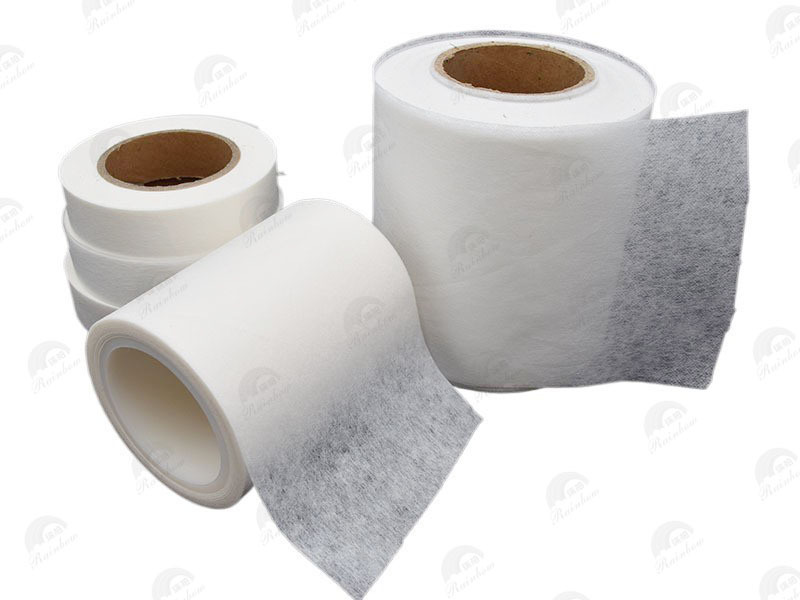
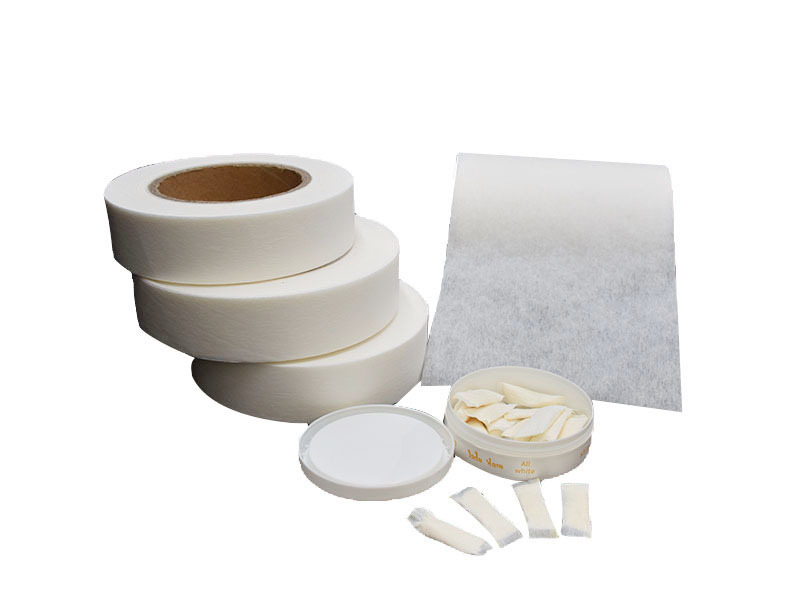
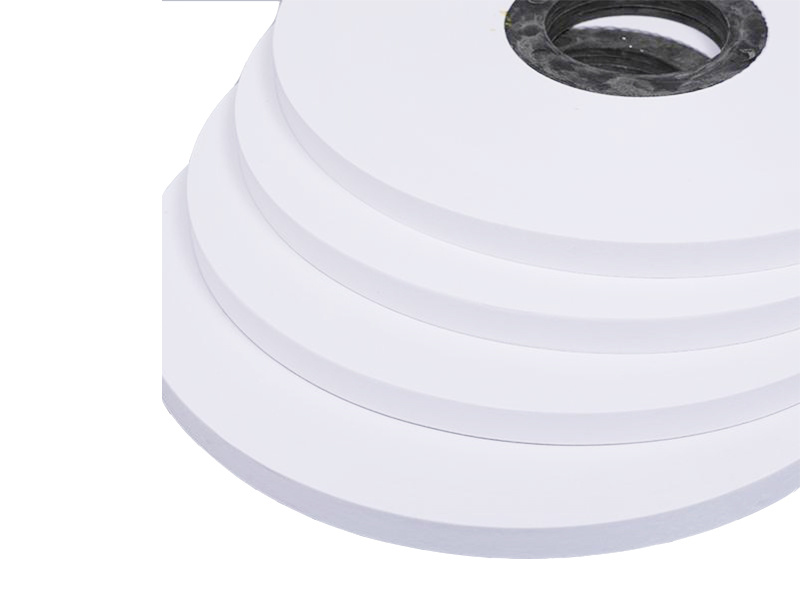
Foam Bonded Nonwoven lining
Latest News


Nantong Rainbow Nonwoven Tech Co.,Ltd.
Telephone:+86-13587673537 +86-15851257231
E-mail:chrislc717@163.com christy@ntrainbow.com
sales1@ntrainbow.com
Address: (No. 88, Sanzong South Road) Group 42, Xichansi Village, Xiting Town, Tongzhou District, Nantong City, Jiangsu Province

Copyright©2024 Nantong Rainbow Technology Co., Ltd. | Powered by www.300.cn
Copyright©2024 Nantong Rainbow Technology Co., Ltd.
Powered by www.300.cn