
Understanding Chemical Bonded Nonwoven Fusible Interlining: A Key Component in Textile Production
Release time:
2025-09-14
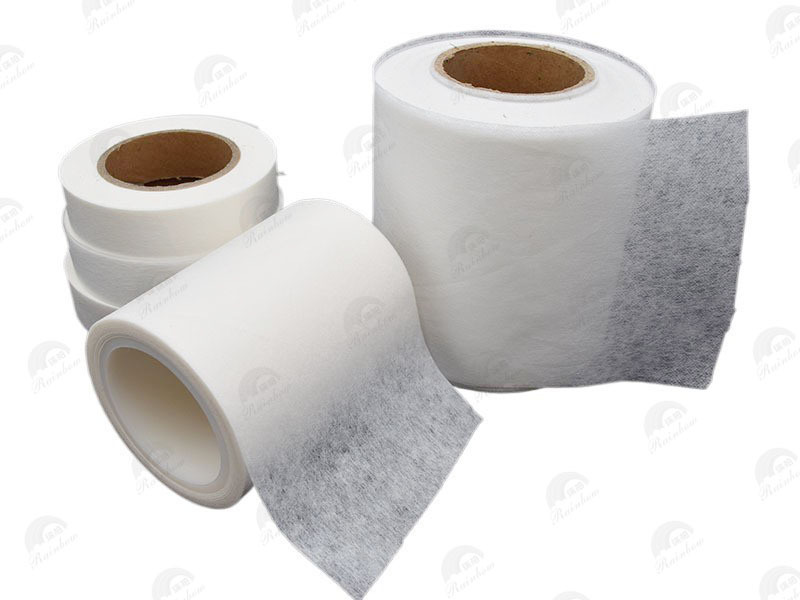
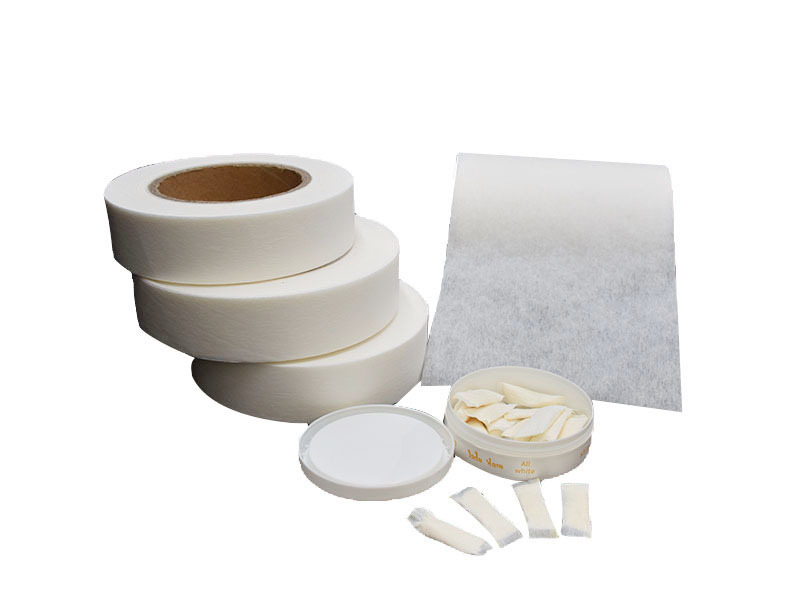
In the textile industry, the choice of interlining is crucial for achieving the desired fabric quality and garment structure. One popular option is chemical bonded nonwoven fusible interlining, which is recognized for its unique properties and versatility. This type of interlining is specifically designed to provide additional support and stability to fabrics, making it an indispensable component in garment production.
Chemical bonded nonwoven fusible interlining is created through a process that involves bonding synthetic fibers together using a chemical adhesive. This results in a lightweight, flexible material that can be easily applied to various fabrics. The chemical bonding process enhances the strength and durability of the nonwoven fabric while ensuring that it remains soft and breathable. As a result, it is particularly well-suited for use in delicate garments where comfort and drape are important.
One of the primary advantages of this interlining is its fusibility. The fusible properties allow it to adhere seamlessly to the fabric when heat is applied, creating a strong bond that improves the overall structure of the garment. This is especially beneficial in areas requiring reinforcement, such as collars, cuffs, and waistbands, where added support is necessary to maintain shape and prevent distortion over time.
In addition to its structural benefits, chemical bonded nonwoven fusible interlining also contributes to the aesthetic qualities of garments. It helps to create clean lines and a polished finish, which are essential in high-quality apparel. Moreover, it is available in various weights and thicknesses, allowing manufacturers to select the most appropriate type for their specific applications, whether it be lightweight blouses or more robust outerwear.
Another significant aspect of chemical bonded nonwoven fusible interlining is its compatibility with a wide range of fabrics. It can be used with cotton, polyester, and blends, making it a versatile choice for many garment types. This adaptability enables designers and manufacturers to explore innovative designs without compromising on fabric integrity or performance.
Furthermore, sustainability is becoming an increasingly important consideration in the textile industry. Many manufacturers are now producing chemical bonded nonwoven fusible interlining with eco-friendly materials and processes, addressing consumer demand for more sustainable fashion options.
In conclusion, chemical bonded nonwoven fusible interlining is a vital material within the textile industry, providing support, durability, and aesthetic quality to garments. Its unique properties, versatility, and potential for sustainability make it a favored choice among manufacturers. As the industry continues to evolve, understanding the benefits and applications of this interlining will be essential for those looking to enhance their textile products.
Chemical bonded nonwoven fusible interlining is created through a process that involves bonding synthetic fibers together using a chemical adhesive. This results in a lightweight, flexible material that can be easily applied to various fabrics. The chemical bonding process enhances the strength and durability of the nonwoven fabric while ensuring that it remains soft and breathable. As a result, it is particularly well-suited for use in delicate garments where comfort and drape are important.
One of the primary advantages of this interlining is its fusibility. The fusible properties allow it to adhere seamlessly to the fabric when heat is applied, creating a strong bond that improves the overall structure of the garment. This is especially beneficial in areas requiring reinforcement, such as collars, cuffs, and waistbands, where added support is necessary to maintain shape and prevent distortion over time.
In addition to its structural benefits, chemical bonded nonwoven fusible interlining also contributes to the aesthetic qualities of garments. It helps to create clean lines and a polished finish, which are essential in high-quality apparel. Moreover, it is available in various weights and thicknesses, allowing manufacturers to select the most appropriate type for their specific applications, whether it be lightweight blouses or more robust outerwear.
Another significant aspect of chemical bonded nonwoven fusible interlining is its compatibility with a wide range of fabrics. It can be used with cotton, polyester, and blends, making it a versatile choice for many garment types. This adaptability enables designers and manufacturers to explore innovative designs without compromising on fabric integrity or performance.
Furthermore, sustainability is becoming an increasingly important consideration in the textile industry. Many manufacturers are now producing chemical bonded nonwoven fusible interlining with eco-friendly materials and processes, addressing consumer demand for more sustainable fashion options.
In conclusion, chemical bonded nonwoven fusible interlining is a vital material within the textile industry, providing support, durability, and aesthetic quality to garments. Its unique properties, versatility, and potential for sustainability make it a favored choice among manufacturers. As the industry continues to evolve, understanding the benefits and applications of this interlining will be essential for those looking to enhance their textile products.
chemical bonded Nonwoven fusible interlining
Latest News


Nantong Rainbow Nonwoven Tech Co.,Ltd.
Telephone:+86-13587673537 +86-15851257231
E-mail:chrislc717@163.com christy@ntrainbow.com
sales1@ntrainbow.com
Address: (No. 88, Sanzong South Road) Group 42, Xichansi Village, Xiting Town, Tongzhou District, Nantong City, Jiangsu Province

Copyright©2024 Nantong Rainbow Technology Co., Ltd. | Powered by www.300.cn
Copyright©2024 Nantong Rainbow Technology Co., Ltd.
Powered by www.300.cn