
Understanding Nonwoven Fusible Interlining: A Key Component in Textile Applications
Release time:
2025-09-12
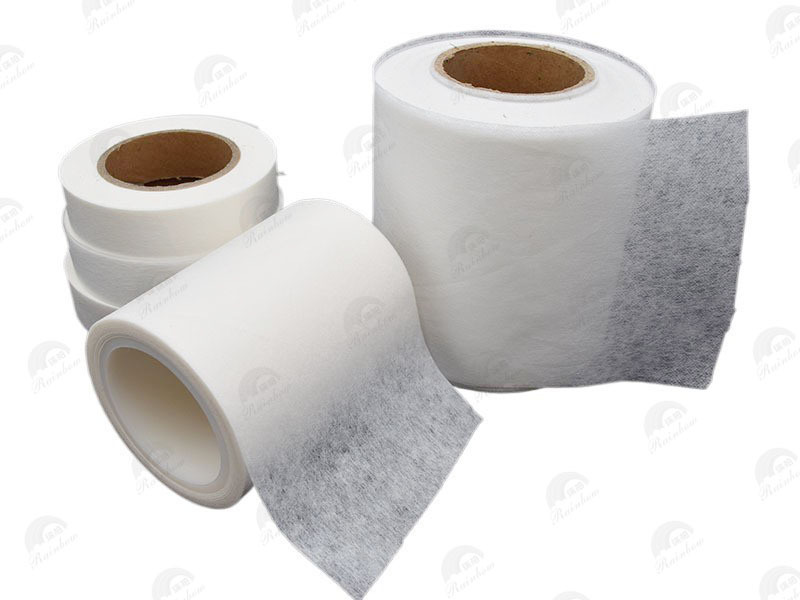
Nonwoven fusible interlining is an essential textile component widely used in the garment industry. It refers to a type of interfacing made from synthetic fibers that are bonded together through mechanical, thermal, or chemical processes. The result is a fabric-like material that is lightweight yet strong, providing excellent support and structure to various garments and accessories.
One of the primary functions of nonwoven fusible interlining is to enhance the stability of fabrics. It is typically applied to areas of clothing that require additional reinforcement, such as collars, cuffs, waistbands, and button plackets. By adding this interlining, manufacturers can achieve a tailored look and feel, ensuring that garments maintain their shape and structure over time. This is particularly important in high-quality apparel where aesthetics and durability are paramount.
The "fusible" aspect of this interlining refers to its adhesive properties. Nonwoven fusible interlining is coated with a heat-activated adhesive on one side. When heat is applied, the adhesive melts and bonds the interlining to the fabric, creating a seamless finish. This process simplifies garment construction, allowing for quicker and more efficient assembly.
In terms of versatility, nonwoven fusible interlining can be used with a wide variety of fabrics, from delicate silks to heavier cottons. This adaptability makes it an ideal choice for different types of clothing, including formal wear, casual attire, and outerwear. Furthermore, its lightweight nature ensures that it does not add bulk to the finished product, maintaining the desired drape and flow of the garment.
Another significant advantage of nonwoven fusible interlining is its ease of handling. Unlike traditional woven interlinings, which can fray and require careful cutting and sewing, nonwoven options are typically more forgiving and easier to work with. This quality not only improves the efficiency of garment production but also reduces the likelihood of errors during the manufacturing process.
Additionally, nonwoven fusible interlining offers excellent washability and durability, making it suitable for garments that undergo regular laundering. The integrity of the interlining is retained even after multiple washes, ensuring that the garment continues to perform well over time.
In summary, nonwoven fusible interlining is an invaluable resource in the textile sector, contributing significantly to the quality and functionality of finished garments. By providing structural support, ease of use, and lasting durability, it enhances both the production process and the final product. Understanding the benefits and applications of this material can empower manufacturers to make informed decisions for their textile projects, ultimately leading to superior outcomes in garment design and production.
One of the primary functions of nonwoven fusible interlining is to enhance the stability of fabrics. It is typically applied to areas of clothing that require additional reinforcement, such as collars, cuffs, waistbands, and button plackets. By adding this interlining, manufacturers can achieve a tailored look and feel, ensuring that garments maintain their shape and structure over time. This is particularly important in high-quality apparel where aesthetics and durability are paramount.
The "fusible" aspect of this interlining refers to its adhesive properties. Nonwoven fusible interlining is coated with a heat-activated adhesive on one side. When heat is applied, the adhesive melts and bonds the interlining to the fabric, creating a seamless finish. This process simplifies garment construction, allowing for quicker and more efficient assembly.
In terms of versatility, nonwoven fusible interlining can be used with a wide variety of fabrics, from delicate silks to heavier cottons. This adaptability makes it an ideal choice for different types of clothing, including formal wear, casual attire, and outerwear. Furthermore, its lightweight nature ensures that it does not add bulk to the finished product, maintaining the desired drape and flow of the garment.
Another significant advantage of nonwoven fusible interlining is its ease of handling. Unlike traditional woven interlinings, which can fray and require careful cutting and sewing, nonwoven options are typically more forgiving and easier to work with. This quality not only improves the efficiency of garment production but also reduces the likelihood of errors during the manufacturing process.
Additionally, nonwoven fusible interlining offers excellent washability and durability, making it suitable for garments that undergo regular laundering. The integrity of the interlining is retained even after multiple washes, ensuring that the garment continues to perform well over time.
In summary, nonwoven fusible interlining is an invaluable resource in the textile sector, contributing significantly to the quality and functionality of finished garments. By providing structural support, ease of use, and lasting durability, it enhances both the production process and the final product. Understanding the benefits and applications of this material can empower manufacturers to make informed decisions for their textile projects, ultimately leading to superior outcomes in garment design and production.
Nonwoven fusible interlining
Latest News


Nantong Rainbow Nonwoven Tech Co.,Ltd.
Telephone:+86-13587673537 +86-15851257231
E-mail:chrislc717@163.com christy@ntrainbow.com
sales1@ntrainbow.com
Address: (No. 88, Sanzong South Road) Group 42, Xichansi Village, Xiting Town, Tongzhou District, Nantong City, Jiangsu Province

Copyright©2024 Nantong Rainbow Technology Co., Ltd. | Powered by www.300.cn
Copyright©2024 Nantong Rainbow Technology Co., Ltd.
Powered by www.300.cn