
The Science Behind Chemical Bonded Nonwoven Interlining Fabric: An In-Depth Look
Release time:
2025-09-09
The Science Behind Chemical Bonded Nonwoven Interlining Fabric: An In-Depth Look
Table of Contents
- 1. Introduction to Chemical Bonded Nonwoven Interlining Fabric
- 2. What is Nonwoven Fabric?
- 3. Chemical Bonding Techniques in Nonwoven Fabrics
- 4. Advantages of Chemical Bonded Nonwoven Interlining Fabric
- 5. Applications of Nonwoven Interlining Fabric
- 6. The Production Process of Chemical Bonded Nonwoven Fabrics
- 7. Sustainability in Chemical Bonded Nonwoven Fabrics
- 8. Future Trends in Nonwoven Interlining Technology
- 9. Frequently Asked Questions
- 10. Conclusion
1. Introduction to Chemical Bonded Nonwoven Interlining Fabric
Chemical bonded nonwoven interlining fabric has become a cornerstone of modern garment construction, offering remarkable versatility and functionality. With its unique composition and innovative production processes, this fabric serves various industries, including fashion, automotive, and home textiles. Understanding the science behind this material is crucial for manufacturers, designers, and consumers alike, as it directly influences the quality and performance of the final product.
2. What is Nonwoven Fabric?
Nonwoven fabrics are engineered textiles made from fibers that are bonded together through various methods, excluding traditional weaving or knitting processes. These fabrics come in various forms, including felt, foams, and, notably, nonwoven interlining.
How Nonwoven Fabrics are Made
The production of nonwoven fabrics typically involves processes like mechanical bonding, thermal bonding, and indeed, chemical bonding. Each method serves to create distinct characteristics in the fabric, catering to specific applications and consumer needs.
3. Chemical Bonding Techniques in Nonwoven Fabrics
Chemical bonding is a critical process in the creation of nonwoven interlining fabrics. It involves using chemical agents to bond fibers together, enhancing the fabric's strength, durability, and functionality.
Types of Chemical Bonds
The primary types of chemical bonds used in nonwoven fabrics include:
- **Adhesive Bonding**: Utilizing adhesives to bond fibers together, providing a strong and durable fabric structure.
- **Latex Bonding**: Employing latex compounds to create a flexible and resilient fabric ideal for garments requiring stretch and movement.
- **Thermal Adhesive Bonding**: A combination of heat and adhesives to create a seamless bond that enhances the fabric's performance.
4. Advantages of Chemical Bonded Nonwoven Interlining Fabric
Chemical bonded nonwoven interlining fabrics offer a plethora of advantages that make them a preferred choice in various applications.
Enhanced Durability
The chemical bonding process significantly increases the fabric's resilience against wear and tear, ensuring that garments maintain their shape and integrity over time.
Lightweight and Breathable
Despite their strength, these fabrics remain lightweight, allowing for comfortable wear without compromising on quality. Their breathable nature also ensures that moisture and air can pass through, making them ideal for use in clothing.
Versatile Applications
Chemical bonded nonwoven interlining can be utilized in a variety of applications, from fashion apparel to industrial uses, showcasing its versatility across different sectors.
5. Applications of Nonwoven Interlining Fabric
Chemical bonded nonwoven interlining fabrics are widely used in various industries due to their unique properties.
Fashion Industry
In the fashion industry, these fabrics play a crucial role in providing structure and support to garments, particularly in collars, cuffs, and waistbands. They enhance the overall aesthetic and functionality of clothing, making them a staple in garment construction.
Automotive Sector
The automotive industry employs chemical bonded nonwoven interlining in interior applications, such as seat covers and soundproofing materials, where durability and comfort are paramount.
Medical Applications
In the medical field, these fabrics are used in surgical gowns and masks, owing to their strength and ability to act as barriers against contaminants.
6. The Production Process of Chemical Bonded Nonwoven Fabrics
The production of chemical bonded nonwoven interlining fabrics involves several critical steps.
Fiber Preparation
The process begins with the selection and preparation of fibers, which can be natural or synthetic, depending on the desired properties of the final product.
Bonding Process
Once the fibers are prepared, they undergo the chemical bonding process. This step involves applying adhesives or chemical agents to bond the fibers effectively.
Finishing Touches
After bonding, the fabric goes through finishing treatments, including dyeing and coating, to enhance its properties and appearance.
7. Sustainability in Chemical Bonded Nonwoven Fabrics
Sustainability is a growing concern in the textile industry, prompting manufacturers to seek eco-friendly solutions.
Biodegradable Options
Recent advancements have led to the development of biodegradable nonwoven fabrics that maintain performance while minimizing environmental impact.
Recycled Materials
Using recycled materials in the production of nonwoven fabrics is another step towards sustainability, reducing waste and resource consumption.
8. Future Trends in Nonwoven Interlining Technology
As technology continues to evolve, so does the production of chemical bonded nonwoven interlining fabrics. Innovations are paving the way for smarter, more efficient materials.
Smart Fabrics
Incorporating smart technology into nonwoven fabrics allows for the development of textiles that can respond to environmental stimuli, enhancing functionality and user experience.
Advanced Bonding Techniques
Future advancements in bonding techniques are expected to further improve durability and performance, leading to more efficient production processes and higher quality fabrics.
9. Frequently Asked Questions
What is the primary benefit of using chemical bonded nonwoven interlining fabric?
The primary benefit is the enhanced durability and structural integrity it provides to garments, making them longer-lasting and more comfortable.
Can these fabrics be recycled?
Yes, many chemical bonded nonwoven fabrics can be produced from recycled materials, contributing to sustainability in the textile industry.
What industries use nonwoven interlining fabrics?
Nonwoven interlining fabrics are used in various industries, including fashion, automotive, medical, and home textiles.
Are chemical bonded nonwoven fabrics breathable?
Yes, they are designed to be lightweight and breathable, ensuring comfort for the wearer.
How does chemical bonding affect the fabric's properties?
Chemical bonding enhances the fabric's strength, durability, and resistance to wear, making it suitable for a wide range of applications.
10. Conclusion
The science behind chemical bonded nonwoven interlining fabric reveals a fascinating blend of technology and textile innovation. As we have explored, the advantages of this fabric extend far beyond mere appearance, offering exceptional durability, versatility, and functionality across various applications. As sustainability continues to shape the future of the textile industry, the evolution of chemical bonded nonwoven interlining fabrics promises to bring even more exciting developments. By understanding the intricacies of this material, stakeholders can make informed choices that benefit not only their products but also the environment.
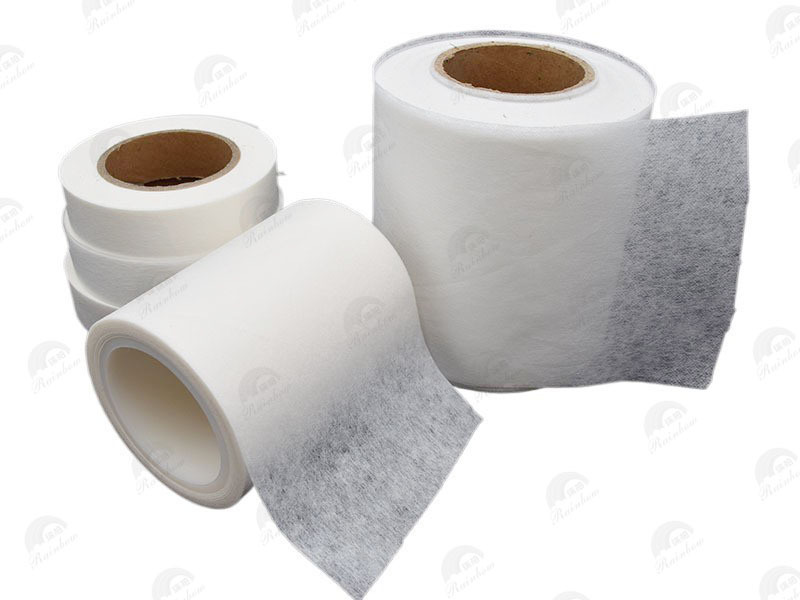
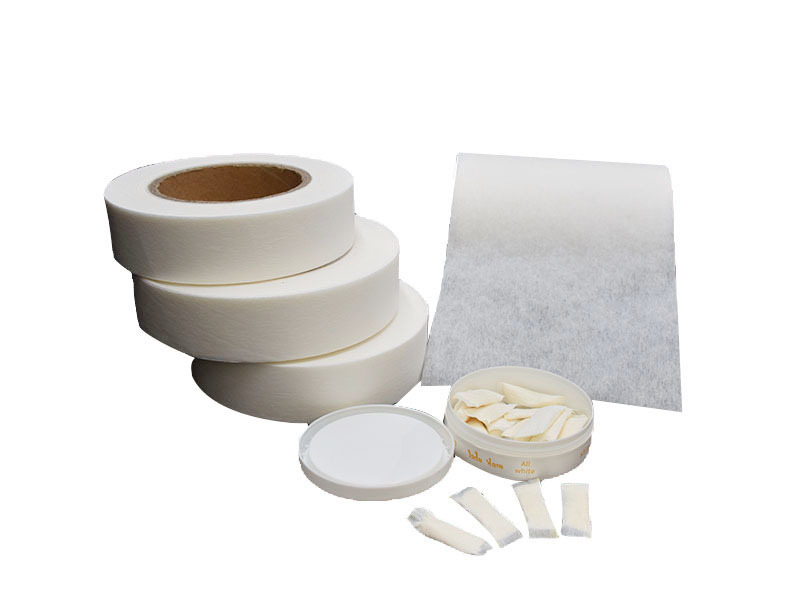
chemical bonded nonwoven interlining fabric
Latest News


Nantong Rainbow Nonwoven Tech Co.,Ltd.
Telephone:+86-13587673537 +86-15851257231
E-mail:chrislc717@163.com christy@ntrainbow.com
sales1@ntrainbow.com
Address: (No. 88, Sanzong South Road) Group 42, Xichansi Village, Xiting Town, Tongzhou District, Nantong City, Jiangsu Province

Copyright©2024 Nantong Rainbow Technology Co., Ltd. | Powered by www.300.cn
Copyright©2024 Nantong Rainbow Technology Co., Ltd.
Powered by www.300.cn